
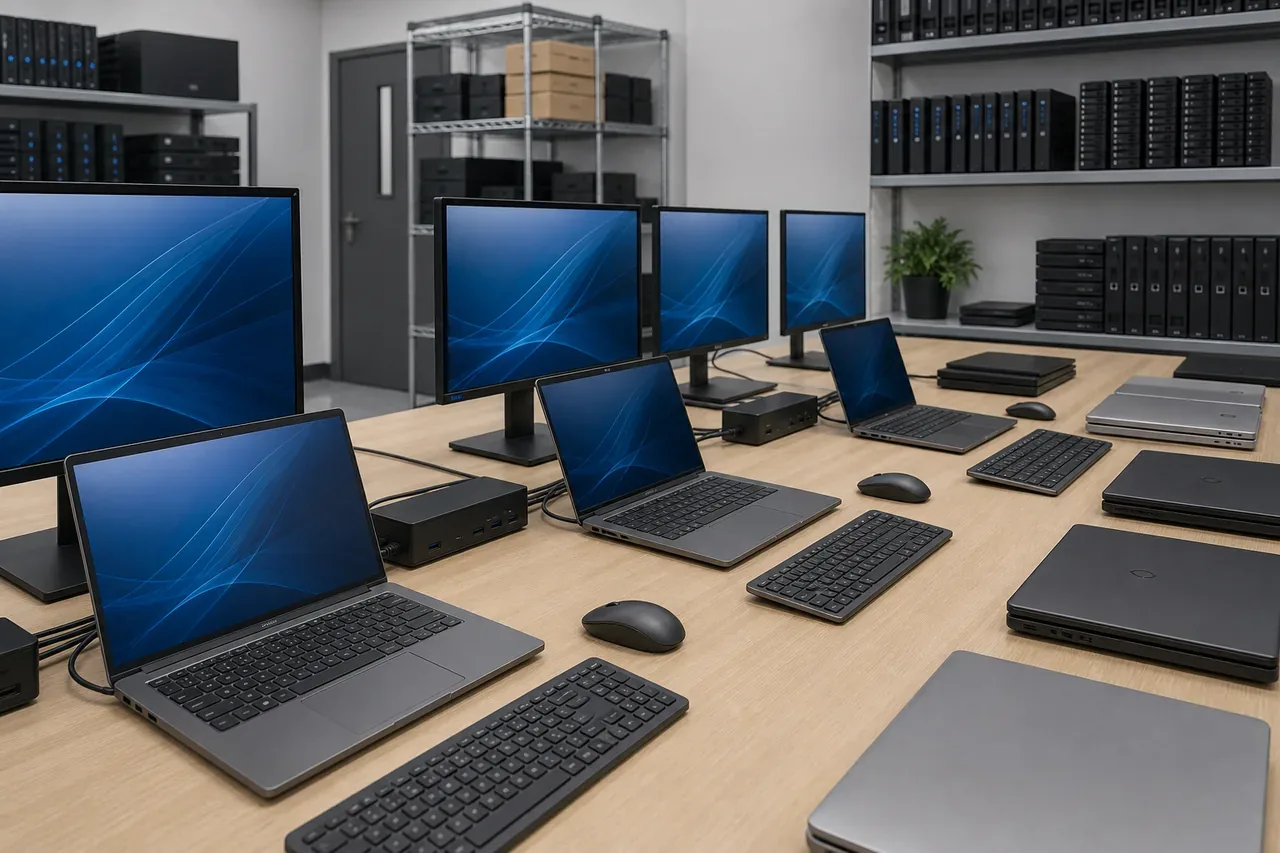
Build the Infrastructure That Helps Learning Move Forward.
Solar power, campus Wi-Fi, computer equipment and facility security for Nigerian schools and universities.
Education Has Evolved. The Infrastructure Must Keep Up.
Every school and academic institution needs an environment where students can learn, educators can work and essential systems remain connected.
Integrated Solutions Technology provides networking, IT infrastructure, solar energy and electronic security solutions for schools, colleges, universities and training institutions in Nigeria. From campus Wi-Fi and computer laboratory infrastructure to solar power, CCTV, access control, servers and technical support, we help educational organisations plan and develop the systems that support daily academic operations.
Teaching and learning increasingly depend on technology.
Classrooms use digital resources. Students access online research and learning platforms. Administrators manage records and communication systems. Computer laboratories require suitable equipment and network connections.
Across larger institutions, these needs extend into libraries, lecture halls, student accommodation, administrative departments and entire campus networks.
But when infrastructure is inadequate, technology becomes another challenge.
Unreliable connectivity can interrupt access to digital learning resources. Electricity interruptions can affect computers and other essential equipment. Poorly organised network infrastructure can make upgrades difficult. Inadequate physical security arrangements can create concerns around access to school premises.
Integrated Solutions Technology helps institutions address these supporting infrastructure needs through appropriate planning, equipment installation and technical services.
Enable Digital Learning
Establish suitable networking and computing infrastructure for approved educational applications and devices.
Support Everyday Operations
Plan appropriate power arrangements for selected ICT systems, offices and other identified facility loads.
Improve Campus Security
Provide suitable surveillance and access-control infrastructure according to the institution's safeguarding and security policies.
Prepare for Institutional Growth
Develop maintainable networks and equipment infrastructure that can be assessed and expanded as requirements change.
Connected, secure and practical infrastructure solutions for educational environments.
The Right Technology Foundation for Every Learning Environment.
A primary school, secondary school and university may all use digital technology, but their infrastructure requirements are not identical.
The appropriate solution depends on the number of users, building layout, learning activities, existing equipment and the organisation's operational priorities.
We help educational institutions identify and implement suitable supporting infrastructure.

Connect Classrooms, Departments and Learning Spaces.
Students, educators and administrators depend on suitable connectivity to access information and approved digital services.
We help institutions design and deploy wired and wireless networks for classrooms, libraries, administrative buildings, computer laboratories and other relevant facilities.
- Campus network design and installation
- Structured LAN cabling
- Fibre optic cabling between buildings
- School and university Wi-Fi solutions
- Network switches and equipment installation
- Network configuration and upgrades
- Cable labelling and port mapping
Campus designs should account for user density, device types, building layout, bandwidth, authorised access and appropriate separation of staff, student and guest traffic.
Infrastructure Across the Entire Learning Environment.
The infrastructure behind education extends beyond classrooms.
Each facility presents different needs for connectivity, computing, power, security and support.
Primary & Secondary Schools
Suitable classroom connectivity, computer laboratory infrastructure, selected solar power solutions, CCTV and controlled entry arrangements.
Universities & Polytechnic Campuses
Multi-building wired and wireless infrastructure, enterprise servers, equipment rooms, network security and technical maintenance.
Private Colleges & Training Institutes
Connected classrooms, suitable business computing equipment, security systems and supporting power infrastructure.
Computer Laboratories & ICT Centres
Appropriate workstations, structured network connections, network devices and technical support.
Libraries & Digital Research Spaces
Suitable wired and wireless access for approved learning resources, institutional systems and computing devices.
Lecture Halls & Academic Buildings
Network capacity and wireless coverage planned around building layouts, expected user density and supported applications.
Student Accommodation & Hostels
Appropriate network access, defined user permissions and suitable security infrastructure for approved residential facilities.
Administrative Offices & Records Departments
Enterprise networking, computing equipment, appropriate servers or storage, controlled access and ongoing technical support.
Gates, Boundaries & Shared Campus Areas
Suitable surveillance, controlled entry and supporting infrastructure selected according to safeguarding and site safety requirements.
Technology Should Support Education, Not Interrupt It.
Poor Internet Coverage Across Campus
The challenge
Network connectivity may be inconsistent between classrooms, lecture halls, offices and outdoor areas.
How we address it
Assess wired infrastructure, wireless coverage, user density and available connectivity before planning suitable network improvements.
Inadequate Computer Laboratory Infrastructure
The challenge
Computer laboratories may have insufficient equipment, ageing workstations or poorly organised network connections.
How we address it
Review the intended learning activities, hardware requirements, network infrastructure and supporting maintenance needs.
Power Interruptions Affecting ICT Equipment
The challenge
Electricity interruptions can affect selected computers, network devices and administrative systems.
How we address it
Assess relevant loads and explore suitable solar, inverter and battery arrangements within a properly engineered power plan.
Limited Visibility at School Entrances
The challenge
Institutions may need better visibility and control around gates, entrances and selected shared areas.
How we address it
Evaluate suitable CCTV and access-control infrastructure that supports appropriate safeguarding and security procedures.
Ageing Network Equipment & Disorganised Cabling
The challenge
Unsupported equipment, unlabelled cables and incomplete documentation can make technical maintenance difficult.
How we address it
Assess network infrastructure and identify appropriate equipment, cabling, labelling and documentation upgrades.
Growing Technology Requirements
The challenge
Student numbers, devices, learning applications and campus facilities may expand beyond the original infrastructure capacity.
How we address it
Review current requirements and plan suitable improvements that can accommodate realistic growth.
A Practical Path to Better Educational Infrastructure.
Educational infrastructure projects should account for the academic calendar, occupied classrooms, examination schedules, user safety and the institution's existing technology.
Our approach begins with understanding what the institution needs the infrastructure to achieve.
Understand the Institution
Review the facility type, number of users, existing systems, campus layout and relevant infrastructure challenges.
Identify Technical Priorities
Define the required connectivity, computing, electrical and security infrastructure, including any specialist responsibilities.
Plan the Solution
Identify appropriate equipment, installation requirements, technical dependencies and relevant operating constraints.
Coordinate the Installation
Carry out approved technical work with suitable attention to learning schedules, access authorisation and safeguarding arrangements.
Verify & Handover
Check completed work against agreed requirements and prepare relevant technical records, equipment information and support recommendations.
Better Infrastructure for Learning Environments.
Illustrative images of typical installations and work environments.
School & University Network Infrastructure
Wired and wireless networks supporting approved classroom, library, academic and administrative connectivity.
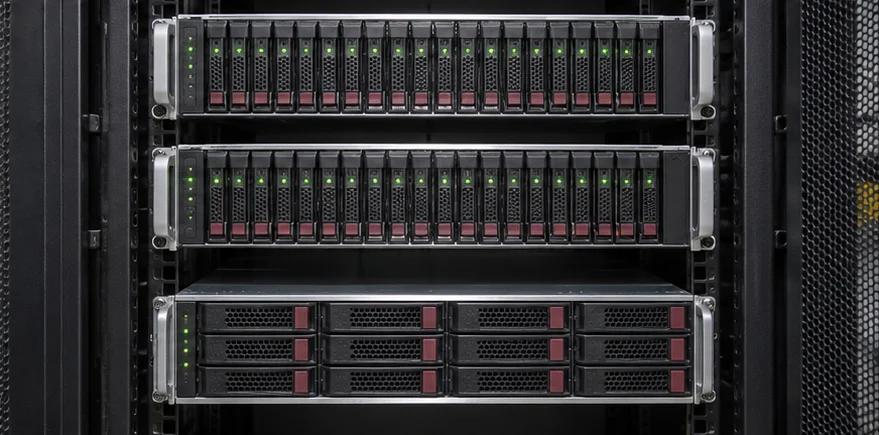
Computer Laboratory & ICT Equipment
Workstations, network connections and supporting infrastructure arranged for approved computing activities.

Solar Energy for Academic Facilities
Suitable solar panels, inverter systems and battery storage planned around assessed institutional energy needs.
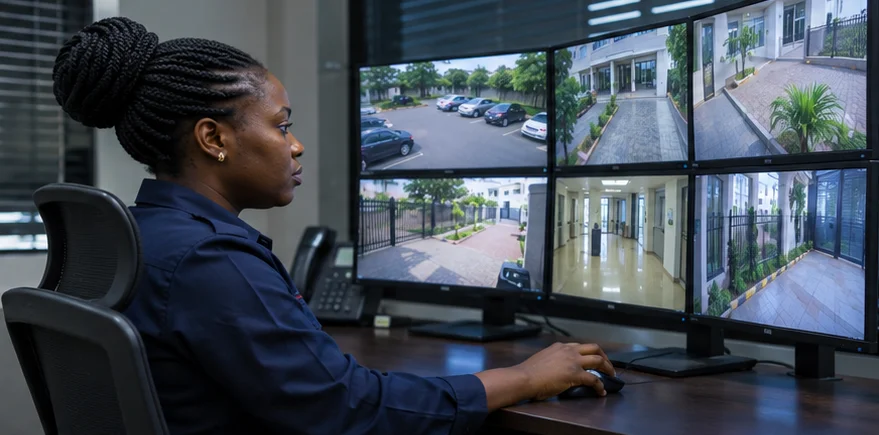
Campus Security & Access Infrastructure
Appropriate cameras, entrance systems and controlled-access equipment installed in designated educational environments.
Questions Educational Institutions Ask Before Investing in Technology.
A school may need suitable internet connectivity, wired and wireless networks, computers, secure access to learning applications, appropriate power infrastructure and physical security systems.
The requirements depend on the number of students, school buildings, available resources and intended learning activities.
Integrated Solutions Technology offers school networking, structured cabling, wireless infrastructure, IT hardware, servers, storage, commercial solar, CCTV, access control and IT support.
The specific services depend on the institution's requirements and agreed project scope.
Computer laboratory infrastructure can be planned around the number of workstations, learning applications, network connections, electrical requirements and available room space.
The scope may involve suitable computer hardware, structured cabling, network equipment and supporting installation services.
Costs depend on the number and specifications of computers, network equipment, furniture and electrical provisions, software requirements and installation work.
A complete quotation should define which items are included and identify any specialist facilities work.
University campus wireless infrastructure can be planned according to building layout, user density, device requirements and available network capacity.
Large campuses often require coordinated switching, fibre connections, wireless access points and appropriate network security.
University environments may include dense lecture halls, libraries, hostels, outdoor movement and distinct student, staff and guest user groups.
These conditions influence wireless capacity, access management, roaming, equipment placement and network architecture.
Yes. Compatible networking equipment can support separate wireless networks or access policies for different user groups.
The specific design depends on institutional requirements and the selected equipment.
Fibre optic cabling can be suitable for links between buildings or equipment rooms.
Installation planning must consider distance, cable routes, termination, protection and compatible network devices.
A computer laboratory may need appropriate network points, switches, cabling, suitable internet connectivity and network security.
Additional equipment depends on computer quantities, operating systems and the applications being used.
Yes. Properly sized solar and battery systems can support suitable electrical loads at schools and academic institutions.
The system should be designed using actual power consumption, operating hours, available installation space and backup requirements.
The requirement varies according to classroom equipment, lighting, computers, networking devices, air conditioning and other loads.
A site assessment and load calculation are needed to determine appropriate capacity.
A suitably engineered solar, inverter and battery system can support an identified computer laboratory load where the equipment and storage capacity are adequate.
The design must account for computers, monitors, network devices, operating hours and peak demand.
Solar may contribute to the electricity requirements of selected campus buildings or wider facilities.
Large campuses require detailed energy assessments and appropriate electrical engineering before determining technical feasibility and the intended power contribution.
Appropriate CCTV arrangements may cover selected entrances, perimeter locations and shared spaces where there is a legitimate security purpose.
Camera positions must be selected with particular care for the privacy and safeguarding of children and young people.
Classroom surveillance is a sensitive decision, particularly where minors are involved.
Any proposal must be justified by a legitimate purpose, comply with applicable data-protection and safeguarding requirements, and consider whether less intrusive measures would be sufficient.
Suitable electronic access and entrance systems can support authorised entry procedures.
Their design must preserve emergency access, safe evacuation and appropriate safeguarding arrangements.
Compatible gate automation may be suitable where the entrance, traffic conditions and safety requirements permit it.
Appropriate protective devices, pedestrian arrangements, emergency release and relevant safety measures must be considered.
Suitable enterprise servers and storage can be supplied and installed according to approved technical requirements.
The infrastructure should account for application needs, equipment capacity, security, power and maintenance.
No. Some institutions use cloud-hosted services or other arrangements.
The appropriate infrastructure depends on applications, connectivity, privacy requirements and operational needs.
Suitable enterprise firewalls can be considered for controlling traffic between defined networks and systems.
The appropriate configuration depends on user groups, applications, existing network architecture and security policies.
Educational institutions should establish appropriate data protection, access permissions, secure systems, privacy notices and staff procedures.
Because institutions may process children's personal data, additional legal and safeguarding considerations apply.
E-learning software development and school management application development are separate specialist services and should not be assumed to be part of the current infrastructure offering.
The company's stated services focus on the supporting network, computing, power, electronic security and IT infrastructure.
Existing systems can be assessed for connectivity limitations, equipment age, security needs and expansion requirements.
A suitable upgrade may involve network improvements, hardware replacement, better documentation or planned electrical infrastructure changes.
Installation scheduling may be planned around holidays or agreed periods when facilities are less occupied.
Actual attendance, site access and project timing must be confirmed during project planning.
Multi-location infrastructure requirements can be reviewed according to each site, the equipment involved and available technical resources.
Network designs, deployment arrangements, documentation and ongoing support should be defined for the individual locations.
Managed IT Support & Maintenance and Onsite IT Technical Support are included in Integrated Solutions Technology's service portfolio.
The systems covered, service hours, maintenance schedule and support arrangements must be agreed.
A coordinated project may include both network infrastructure and electronic security installation when the necessary capabilities and responsibilities are available.
Each system still requires its own technical and safeguarding considerations.
Pricing depends on the number of buildings, required cable runs, network equipment, wireless coverage, installation conditions and testing.
A defined site assessment and scope of work help establish a suitable quotation.
Useful details include the institution's location, school type, number of buildings, approximate number of students and staff, existing infrastructure and required solutions.
Floor plans, computer quantities, current technical problems and electrical load information may also help.
Contact Integrated Solutions Technology with information about your institution, campus or learning facility and the improvements you want to make.
We can review your initial requirements and discuss an appropriate technical assessment, project scope and quotation.
Build Infrastructure Around the Way Your Institution Operates
Share the site, project or technical requirement and Integrated Solutions Technology can help define the appropriate next step.
Give Learning the Infrastructure It Deserves.
From connected classrooms and digital laboratories to campus networking, solar power, security and technical maintenance, educational institutions need systems that support their everyday work.
Whether you're establishing a new school, improving an existing ICT environment or planning infrastructure across a larger campus, Integrated Solutions Technology can help you assess the requirements and develop appropriate solutions.