
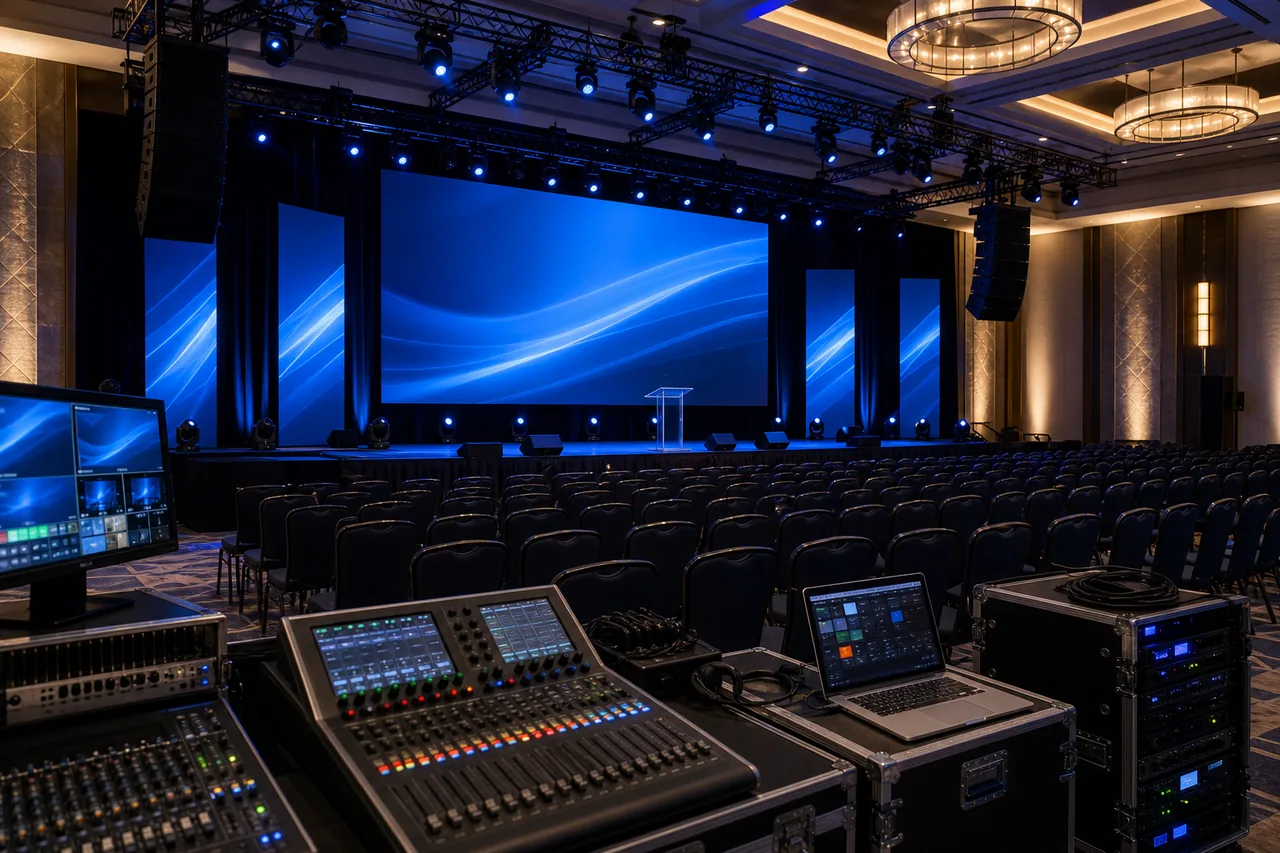
Spaces That Bring People Together Deserve Infrastructure That Supports Them.
Solar power, networking, surveillance and technical support for worship centres and community facilities in Nigeria.
When People Come Together, the Supporting Systems Matter.
Every gathering depends on more than the space itself. Behind a well-managed worship centre, community hall or shared facility are the power, connectivity and security systems supporting the people who use it.
Integrated Solutions Technology provides solar energy, hybrid inverter and battery systems, networking, CCTV, access control and IT infrastructure solutions for churches, mosques, religious organisations and community facilities in Nigeria.
Whether you're improving an existing worship centre, developing a new auditorium or upgrading the supporting technology of a community facility, we help you assess your needs and plan suitable solutions.
Religious and community facilities are places where people meet, learn, celebrate, seek support and participate in shared activities.
Their infrastructure needs can change dramatically throughout the week.
A worship auditorium may accommodate a large congregation during a service but remain lightly occupied at other times. Community halls may host meetings, training activities and events. Administrative offices require dependable computing and communications. Security teams need appropriate visibility around designated entrances and shared areas.
Electricity interruptions can affect lighting, network equipment, office systems and approved event technology. Weak connectivity can frustrate authorised livestreaming or digital communication workflows. Poorly planned surveillance may leave important entrances uncovered. Unclear access arrangements can make shared facilities harder to manage.
These challenges are best addressed through infrastructure that reflects how the building is actually used.
Integrated Solutions Technology helps organisations assess suitable power, networking, security and IT infrastructure to support their activities.
Support Important Gatherings
Plan appropriate electrical and connectivity infrastructure around the facility's actual operating schedule and equipment requirements.
Connect Staff, Volunteers & Visitors
Provide suitable wired and wireless networks for authorised administrative, communication and guest uses.
Manage Facilities More Effectively
Install appropriate surveillance and access-control systems for designated entrances, equipment rooms and shared areas.
Prepare for Future Activities
Organise technical equipment and documentation to make planned upgrades and maintenance easier to manage.
Practical energy, connectivity and security infrastructure for places of worship, community centres and shared institutional facilities.
Supporting the Spaces Where Communities Gather.
A small neighbourhood worship centre and a multi-building religious campus have very different technical requirements.
An appropriate solution depends on the facility's layout, gathering capacity, electrical loads, connected devices, existing equipment and management responsibilities.
We help organisations define the supporting systems they need rather than relying on a standard equipment package.
Plan Electricity Around Your Facility's Activities.
Religious and community facilities depend on electricity for lighting, communications, computing equipment, ventilation and other approved loads.
Some facilities operate mainly during scheduled gatherings. Others have offices, classrooms or activities throughout the week.
We help organisations assess suitable solar generation, hybrid inverter and battery storage solutions based on actual power requirements.
- Commercial solar installation
- Hybrid solar and inverter systems
- Solar battery storage solutions
- Facility electrical load assessment
- Solar maintenance and system upgrades
- Review of existing inverter and battery arrangements
System planning should consider peak demand, gathering schedules, equipment starting requirements, available space and the intended backup duration.
Large audio systems, air conditioning, stage lighting and other high-demand equipment require specific electrical assessment.
Infrastructure for the Places Communities Depend On.
Churches & Worship Auditoriums
Suitable electrical infrastructure, networking, designated-area CCTV and technical equipment support for congregational facilities.
Mosques & Islamic Centres
Appropriate power, networking, physical security and administrative infrastructure, planned with respect for prayer areas and facility operations.
Religious Organisation Headquarters
Enterprise office networking, suitable servers or storage, controlled access, surveillance and IT maintenance.
Community Centres & Multipurpose Halls
Networking, appropriate power systems, shared-area surveillance and suitable entrance arrangements for scheduled activities.
Fellowship & Meeting Facilities
Suitable Wi-Fi, electrical backup for selected equipment and practical security systems for meeting spaces.
Religious Campuses & Retreat Centres
Multi-building networking, selected power solutions and security infrastructure across designated buildings and common areas.
Youth & Community Training Facilities
Computer workstations, appropriate networking, IT equipment and relevant facility security systems.
Religious Administrative Offices
Business networking, suitable computing hardware, firewalls, storage and ongoing technical support.
Security Gatehouses & Parking Entrances
Suitable CCTV, access-control equipment, gate systems and power support for authorised operational loads.
Volunteer & Community Service Buildings
Appropriate connectivity and supporting infrastructure for approved administrative and outreach activities.
Don't Let Infrastructure Limit What Your Facility Can Support.
Electricity Interruptions During Gatherings
The challenge
Power disruptions may affect lights, communications, networking or approved event equipment.
How we address it
Review relevant electrical loads and investigate suitable solar, hybrid inverter and battery arrangements as part of an appropriately engineered system.
Poor Connectivity During Large Events
The challenge
Wireless networks designed for everyday office usage may struggle when many visitors connect simultaneously.
How we address it
Assess user density, access points, internet capacity, traffic requirements and appropriate guest network separation.
Unclear Security Coverage Around Entrances
The challenge
A facility may need better visibility around vehicle entrances, pedestrian gates or designated shared spaces.
How we address it
Review legitimate monitoring objectives and recommend suitable camera positions, recording requirements and access permissions.
Unrestricted Access to Equipment Rooms
The challenge
Network cabinets, administrative rooms or technical equipment stores may require clearer access permissions.
How we address it
Assess suitable electronic access systems while preserving required safety and emergency access.
Poorly Organised Technical Equipment
The challenge
Overcrowded network cabinets and undocumented cabling can make maintenance and equipment expansion more difficult.
How we address it
Review relevant racks, cable routing, equipment labels and documentation needs before planning suitable improvements.
Limited Maintenance Planning
The challenge
Facilities may rely on volunteers or changing teams without a clear record of installed equipment or servicing requirements.
How we address it
Prepare appropriate technical handover records and define maintenance responsibilities for relevant systems.
We Understand That Your Space Has a Purpose Beyond the Equipment.
A religious or community facility is more than a technical installation site.
It may accommodate scheduled worship, community programmes, private consultations, children and visitors throughout the week.
Infrastructure work should respect those activities, the building layout and the organisation's operating procedures.
Understand Your Facility
Review the type of venue, relevant activities, gathering capacity, existing equipment and infrastructure needs.
Identify Technical Priorities
Clarify the required power, networking, surveillance, access control or IT improvements.
Assess the Installation Environment
Review appropriate equipment locations, electrical demand, cabling routes, safety requirements and operational constraints.
Implement the Agreed Solution
Carry out authorised technical work according to the project scope, site access and relevant safety procedures.
Verify & Handover
Complete agreed checks and provide relevant equipment information, operating guidance and maintenance recommendations.
Infrastructure Behind Shared Experiences.
Illustrative images of typical installations and work environments.
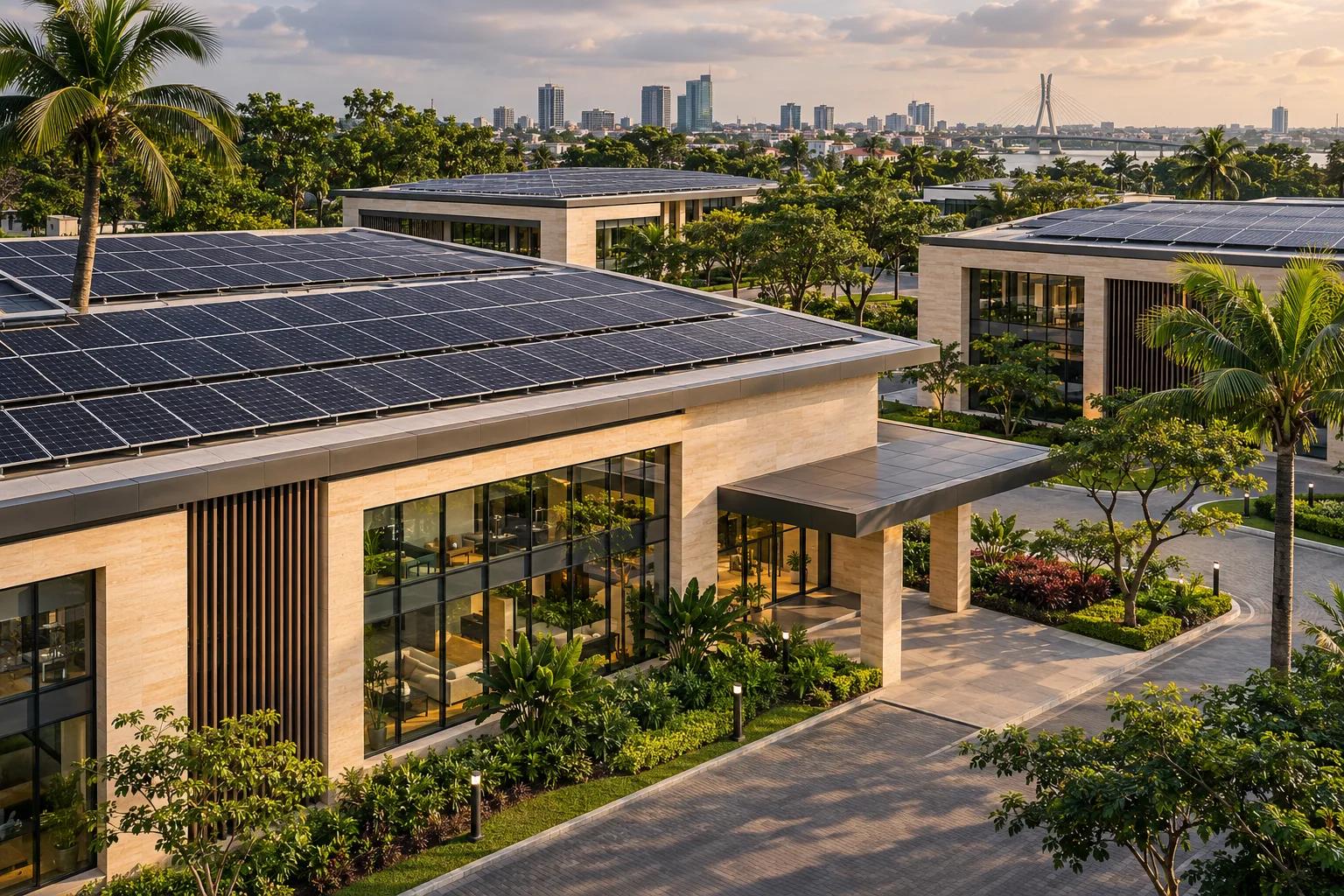
Solar Energy for Worship Facilities
Suitable rooftop solar, hybrid inverter and battery arrangements planned around assessed facility loads.
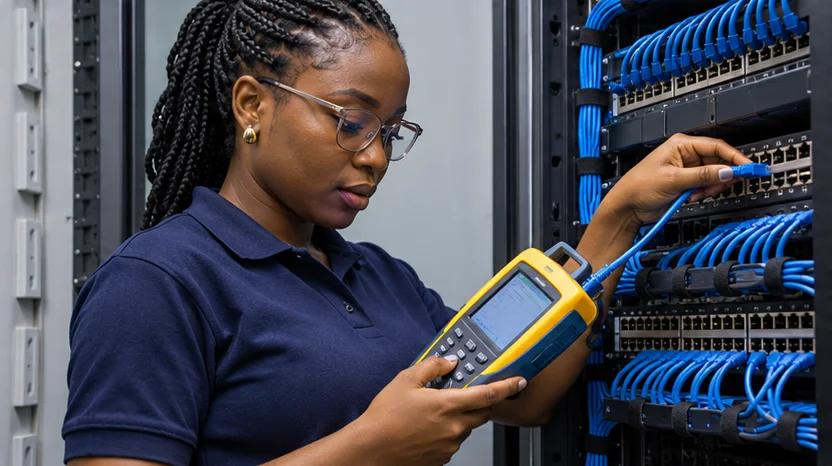
Networking for Auditoriums & Community Halls
Appropriate wired and wireless infrastructure supporting authorised users and connected equipment.
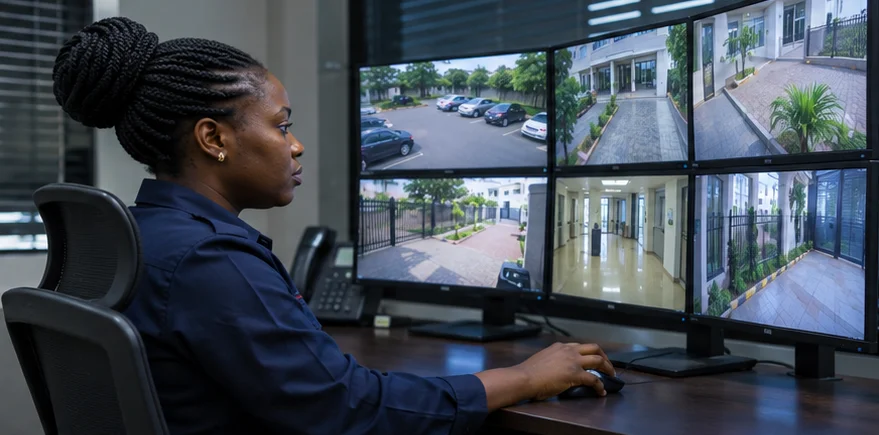
Religious Facility CCTV & Security
Suitable surveillance covering approved entrances, external areas and designated common spaces.
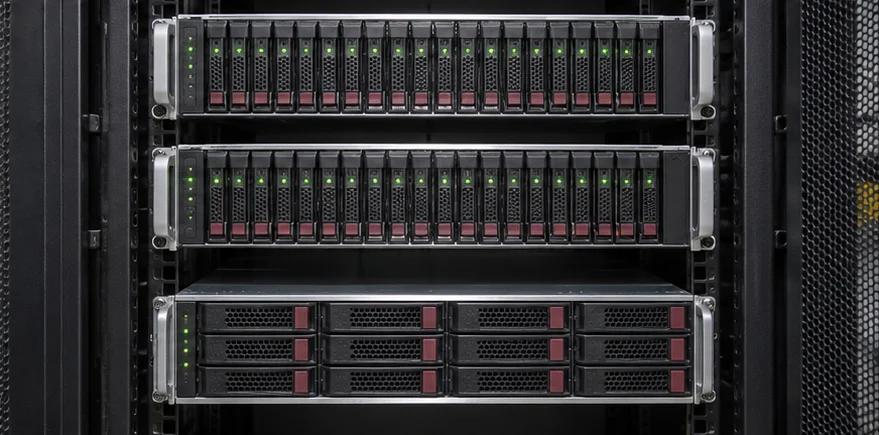
Community Facility IT Infrastructure
Organised computing equipment, network cabinets, cabling and technical systems supporting administration and operations.
Answers for Religious Leaders, Administrators & Facility Managers.
A church may need appropriate electrical power, internet connectivity, wired and wireless networking, administrative computing, CCTV and suitable access-control systems.
The actual requirements depend on the auditorium size, gathering schedules, connected devices and other activities hosted at the facility.
A mosque may require suitable lighting and power systems, networking, administrative computing, designated security cameras and appropriate access infrastructure.
The solution should respect building layouts, prayer activities, privacy and applicable safety requirements.
Integrated Solutions Technology offers commercial solar, hybrid inverter and battery systems, network infrastructure, CCTV, access control, automated gates, servers, storage and IT support.
Each project is assessed according to the facility's needs and agreed scope.
Yes. Properly designed solar photovoltaic systems can contribute electricity to suitable worship centre loads.
The proposed system should be sized according to measured energy requirements, operating schedules and site conditions.
Yes. Suitable solar, inverter and battery arrangements may support selected electrical loads in mosques and Islamic centres.
Sizing should reflect lighting, ventilation, communications and other approved equipment requirements.
The system size depends on measured electricity consumption, peak demand, air-conditioning, lighting, sound equipment and the facility's operating schedule.
Auditorium seating capacity alone is not enough to determine solar capacity.
An appropriately designed system may support specified audio equipment if the electrical demands, starting characteristics and power-quality requirements are properly assessed.
Professional audio systems may have sensitivity to supply conditions, so suitable engineering is important.
It may be technically possible, but large cooling systems often require substantial electrical capacity.
The correct answer depends on peak demand, operating hours, inverter specifications, stored energy and the design of the wider power system.
Hybrid arrangements may be technically feasible with compatible equipment and suitable electrical protection and controls.
A qualified assessment should determine the appropriate connection, operating and safety requirements.
A properly sized battery system may support defined loads for an estimated period.
The available runtime depends on usable battery capacity, appliance consumption and the system's operating conditions.
Costs depend on the facility's electrical loads, solar capacity, inverter specifications, battery storage, equipment mounting and installation conditions.
A load assessment and defined system scope are necessary for an accurate quotation.
Yes. A suitable system may support selected lighting, computing, network and other electrical loads.
The design must consider the hall's event schedule and the equipment used during peak activities.
Suitable wireless infrastructure can be planned for large indoor gathering areas.
Design should consider floor layout, attendance, connected device quantities, signal conditions and available internet bandwidth.
Large numbers of devices may exceed the capacity of access points or the available internet connection.
Interference, equipment placement and network configuration can also affect performance. A network assessment helps identify the relevant causes.
Yes. Compatible equipment can support distinct networks or access policies for staff, volunteers, guests and approved technical systems.
The precise arrangement depends on the facility's security and operational requirements.
A suitable network can provide connectivity for approved livestreaming equipment.
However, actual streaming performance depends on internet upload capacity, network design and the production equipment being used. Livestream production services are separate from network installation.
Broadcast cameras, audiovisual production, video switching and livestream platform management are not confirmed within the current infrastructure portfolio.
Those services would require separate capability confirmation and an agreed scope.
Fibre optic cabling may be suitable for links between approved buildings and equipment areas.
The installation should consider distance, cable type, routing, protection and relevant testing.
Not necessarily.
A smaller worship centre may use basic business networking or hosted software without a dedicated server room.
The appropriate infrastructure depends on its actual applications and equipment requirements.
Suitable IT hardware, enterprise computing and network equipment can be procured within an agreed scope.
Specifications, compatibility, software licensing and support requirements should be confirmed beforehand.
Potential locations include relevant entrances, parking areas, external approaches and other approved shared spaces.
Camera placement should reflect legitimate security purposes, privacy and the facility's activities.
Suitable cameras may be installed where justified by security needs, subject to applicable privacy and data-protection requirements.
The placement should respect worship activities, prayer spaces and visitors' dignity.
CCTV may capture identifiable visitors in publicly accessible areas and can therefore raise personal data protection obligations.
The organisation should establish lawful purposes, appropriate notices, restricted access, retention rules and any required impact assessment.
These environments raise particularly serious confidentiality and privacy concerns.
General security needs do not automatically justify recording private religious counselling or confidential conversations. Any proposal would require careful legal, ethical and organisational assessment.
Surveillance involving children requires particular consideration of safeguarding, privacy, necessity and appropriate access to footage.
Camera use should follow a documented policy and relevant legal and child-protection obligations, rather than being assumed appropriate in every room.
Compatible systems may permit authorised remote viewing through secure network arrangements.
The organisation should define who has access, the legitimate reason for access and the rules governing stored recordings.
Retention should reflect legitimate security needs and applicable privacy obligations.
Recording capacity must be calculated according to camera quantities, video settings and the approved retention period.
Suitable gate automation may be considered where the gate, usage pattern and physical conditions permit.
The installation must account for pedestrian safety, vehicle movement, protective devices and emergency release.
Yes. Compatible electronic access systems can manage authorised entry into selected offices, equipment stores and technical rooms.
Emergency escape and relevant building-safety requirements must remain effective.
Emergency exits must permit safe evacuation according to applicable life-safety rules.
Access-control design must not introduce unsafe restrictions or delays in an emergency.
Suitable access controls may manage designated administrative rooms, equipment stores or staff-only areas.
Public entry and emergency exit arrangements need to be assessed separately.
A properly sized solar and battery system may support identified gatehouse loads such as selected lights, cameras, network equipment or communications devices.
A site-specific load assessment is required.
Multi-site technical support may be discussed according to locations, supported equipment, project requirements and available resources.
Actual service coverage and response arrangements must be agreed.
Project work may be scheduled around approved access and facility activity times.
The final schedule depends on technician availability, required site access and the nature of the installation.
Useful details include the facility location, estimated capacity, existing equipment, building layout and the systems requiring improvement.
For solar projects, electricity usage and the intended loads are important. For CCTV or networking, coverage areas and floor plans can help.
A coordinated infrastructure project may include several suitable systems under an agreed scope.
Each part still requires its own technical specifications, safety considerations, verification and acceptance arrangements.
Integrated Solutions Technology offers solar maintenance, security system maintenance and relevant IT support services.
Coverage, maintenance schedules, spare parts and response arrangements must be defined in the agreement.
Contact Integrated Solutions Technology with details of your facility, the location and the power, connectivity or security needs you want to address.
We can discuss an appropriate technical assessment, solution options and quotation.
Build Infrastructure Around the Way Your Organisation Operates
Share the site, project or technical requirement and Integrated Solutions Technology can help define the appropriate next step.
Give Your Community a Better-Supported Environment.
From solar power and network connectivity to surveillance, access control and technical maintenance, shared spaces depend on infrastructure that should be selected with care.
Whether you manage a church, mosque, worship auditorium, community hall or religious campus, Integrated Solutions Technology can help you assess the supporting systems and plan appropriate improvements.