
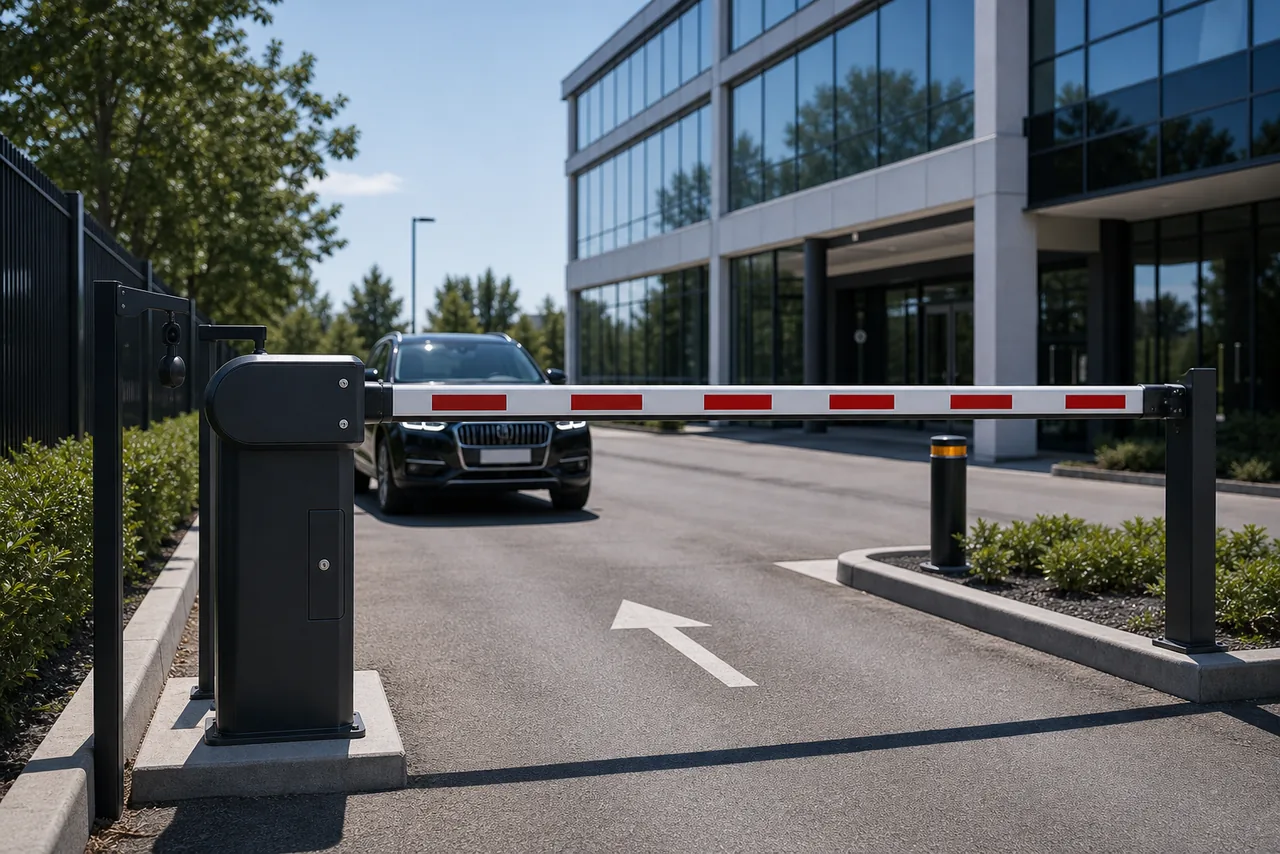
Build the Property. We Help Build the Infrastructure Behind It.
Solar, building connectivity, surveillance and access systems for residential and commercial developments in Nigeria.
The Infrastructure Behind a Property Shapes the Experience Within It.
A modern development is more than its architecture. Behind every well-planned property are the power, connectivity and security systems that make the building practical to occupy, manage and maintain.
Integrated Solutions Technology provides solar energy, structured cabling, network infrastructure, CCTV, access control and automated entrance solutions for real estate developers, residential estates and commercial properties in Nigeria.
From early infrastructure planning to equipment installation, testing and technical handover, we help developers bring essential building technology into the project.
A property can be beautifully designed and still become difficult to live in or manage when its supporting infrastructure is poorly planned.
Residents need appropriate electricity arrangements and connectivity. Estate managers need visibility over common areas and control of designated entrances. Facility teams need equipment that can be accessed and maintained without unnecessary disruption.
When power equipment, CCTV, network cabling and entrance systems are treated as late additions, installation may become more complicated.
Unplanned cable routes can affect interior finishes. Poor camera positioning may leave gaps in intended coverage. Inadequate equipment space may limit maintenance access. Solar installation may become more difficult if roof space and electrical infrastructure were not considered during construction.
We help developers address these requirements as part of the wider property development process.
Plan Infrastructure Earlier
Consider suitable power, cabling, equipment space and security requirements alongside the building's design and construction programme.
Improve Property Readiness
Provide appropriate infrastructure for residents, tenants and facility management before occupation.
Connect Important Building Systems
Plan the network and power requirements of approved security, communications and other supported equipment.
Make Future Maintenance Easier
Organise equipment locations, cable records and technical documentation for property operators.
Technology and energy infrastructure for residential estates, apartment buildings, gated communities and commercial developments.
Essential Technology, Considered From the Beginning.
A single residential property and a large mixed-use estate do not have the same infrastructure requirements.
Some developments need individual solar installations for each unit. Others may consider shared energy arrangements. Apartments may need structured communication pathways, while gated estates have wider security and entrance requirements.
We help property developers assess and implement suitable solutions based on building type, project plans and the intended operating model.
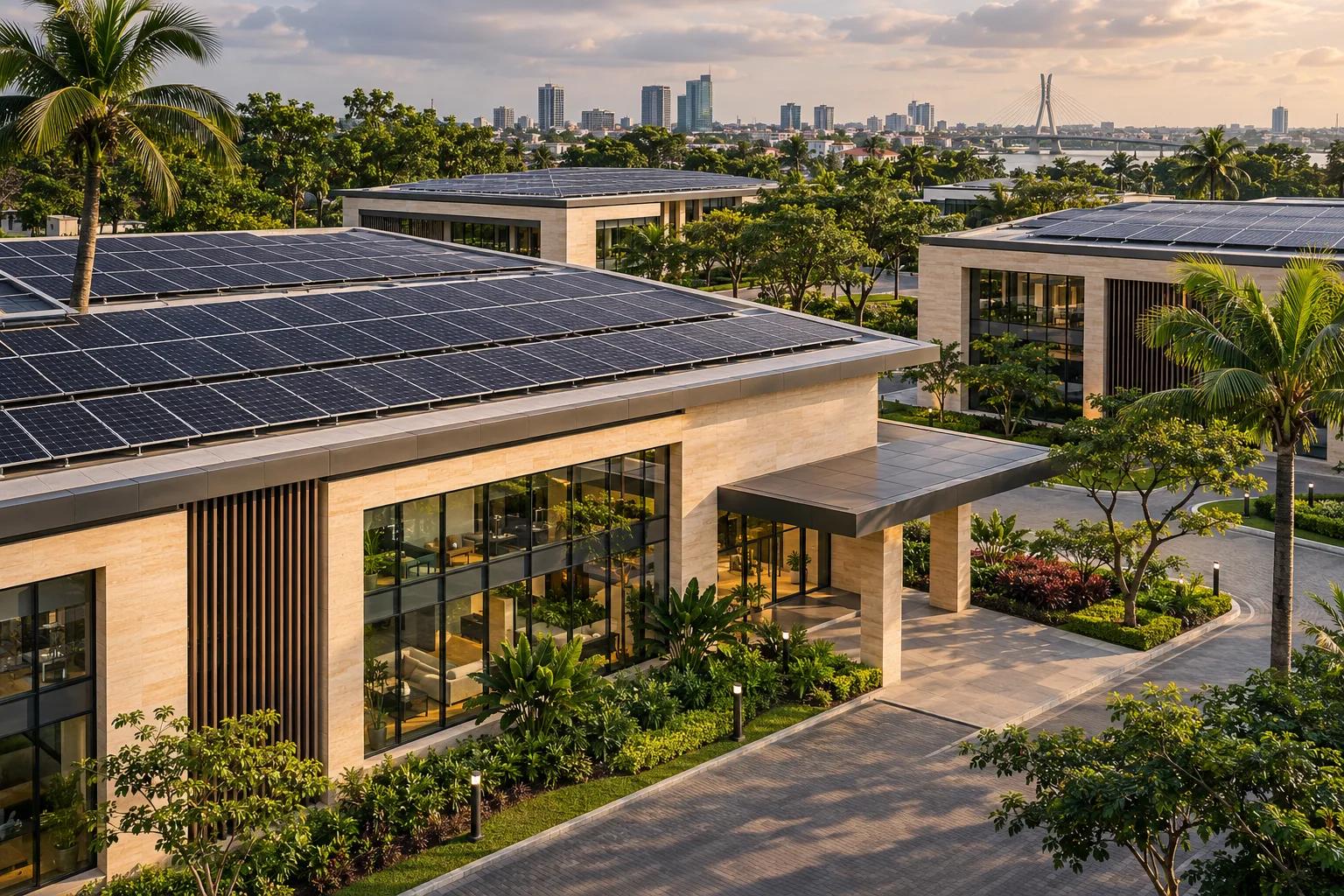
Make Energy Planning Part of the Property Plan.
Power infrastructure can influence how a property is used and managed.
We help developers assess suitable solar, hybrid inverter and battery storage options for individual buildings, residential units and approved shared facilities.
- Residential solar installation
- Commercial solar installation
- Hybrid solar and inverter systems
- Solar battery storage solutions
- Solar maintenance and system upgrades
- Electrical load and installation assessments
Solar planning should consider the property's expected electrical demand, available roof or ground space, structural requirements, ownership arrangements and intended energy configuration.
Developments using shared or centralised electricity systems may also require specialist distribution design, metering arrangements and regulatory assessment.
Technology for the Places People Live, Work and Invest.
Property infrastructure should be selected according to the building's use, ownership arrangements and management requirements.
Gated Residential Estates
Suitable estate surveillance, access-control systems, automated gates, communications infrastructure and approved energy solutions.
Apartment Buildings & Multi-Dwelling Properties
Structured cabling, broadband-ready communication pathways, shared-area security and suitable building or unit-level power systems.
Luxury Villas & Duplex Developments
Residential solar, battery storage, perimeter surveillance, entrance automation and compatible home network infrastructure.
Terraced Housing & Multi-Unit Developments
Repeatable infrastructure specifications for individual units, including appropriate power, connectivity and entrance requirements.
Mixed-Use Developments
Suitable networking, surveillance, power and access arrangements across residential, retail and other designated property areas.
Commercial Office Developments
Structured network infrastructure, relevant equipment rooms, building security systems and suitable commercial solar solutions.
Serviced Apartments & Managed Properties
Network connectivity, approved electronic access arrangements, CCTV in suitable shared areas and technical maintenance.
Estate Gatehouses & Security Control Rooms
Appropriate monitoring equipment, network connectivity, power arrangements and access-control interfaces.
Property Management & Technical Facilities
Suitable equipment cabinets, IT systems and documentation supporting ongoing estate and building management.
The Best Time to Consider Infrastructure Is Before It Becomes a Problem.
Solar Considered Too Late
The challenge
Roof arrangements, electrical equipment space or cable routes may not have been planned for solar installation.
How we address it
Review the proposed energy system early and coordinate relevant requirements with the project's structural and electrical professionals.
Buildings Without Suitable Network Pathways
The challenge
Finished apartments may lack appropriate cable ducts, risers or communications spaces for future connectivity.
How we address it
Assess building plans and define suitable structured cabling routes, fibre pathways and equipment locations.
Poorly Positioned Security Cameras
The challenge
Cameras added after construction may have awkward mounting locations, exposed cabling or incomplete coverage.
How we address it
Review the property layout and intended surveillance zones before deciding equipment locations and network requirements.
Entrance Systems That Do Not Suit the Site
The challenge
A gate or automatic door may be selected without considering available space, traffic, operating cycles or safe movement.
How we address it
Review relevant entrance dimensions, operating requirements, safety considerations and equipment compatibility.
Unclear Ownership of Shared Technology
The challenge
After property handover, residents and managers may be unsure who controls CCTV recordings, network equipment or shared power infrastructure.
How we address it
Define relevant equipment inventories, system permissions, operational responsibilities and handover information.
Repeated Technical Problems After Occupancy
The challenge
Poor documentation and incomplete maintenance arrangements can complicate repairs once a property is occupied.
How we address it
Plan relevant installation records, verification and appropriate maintenance responsibilities as part of project closeout.
Bring Infrastructure Into the Project at the Right Stage.
Property development involves architects, civil engineers, electrical contractors, security professionals and other specialist teams.
Technology infrastructure should be coordinated with these disciplines rather than designed independently of the building.
Understand the Development
Review the property type, building layouts, construction stage, intended users and required infrastructure systems.
Define the Technical Requirements
Identify appropriate energy loads, network connections, equipment spaces, surveillance areas and entrance arrangements.
Coordinate the Infrastructure Plan
Review relevant cable routes, installation spaces, equipment requirements and dependencies with authorised project professionals.
Implement the Approved Systems
Carry out suitable equipment installation and configuration according to agreed designs, site access and construction schedules.
Test, Document & Handover
Complete relevant verification and prepare agreed records for the developer, property owner or facility management team.
Thoughtful Infrastructure for Better Property Experiences.
Illustrative images of typical installations and work environments.
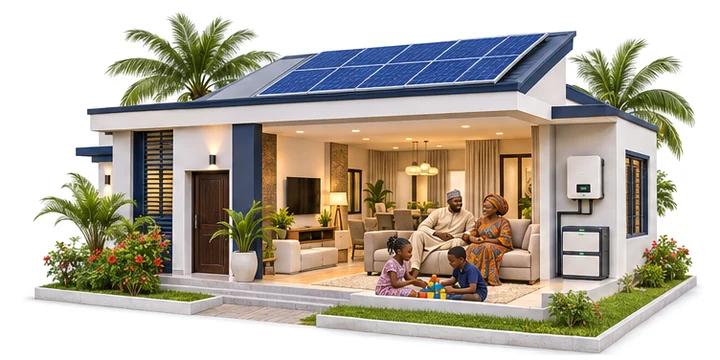
Solar-Ready Residential Developments
Contemporary homes and apartment buildings with suitable solar generation, inverter and battery infrastructure.
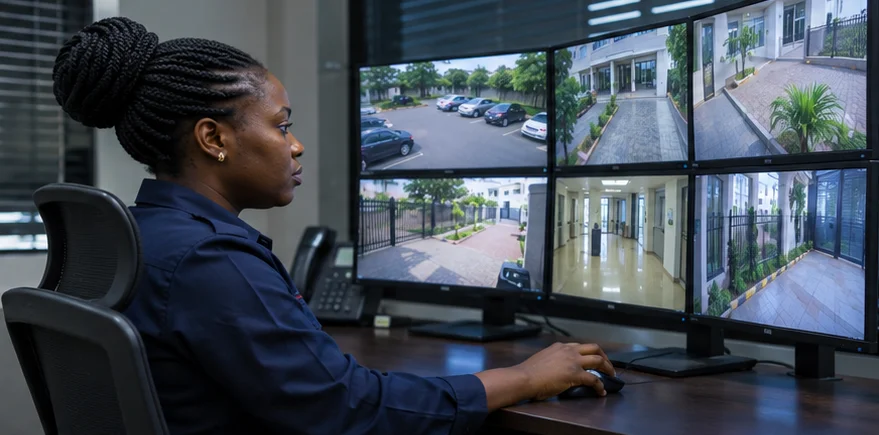
Gated Estate Security Systems
Appropriate camera coverage, perimeter monitoring and access-control equipment supporting designated estate entrances.

Modern Apartment Connectivity
Organised communications cabinets, structured cabling and fibre pathways prepared for compatible services.
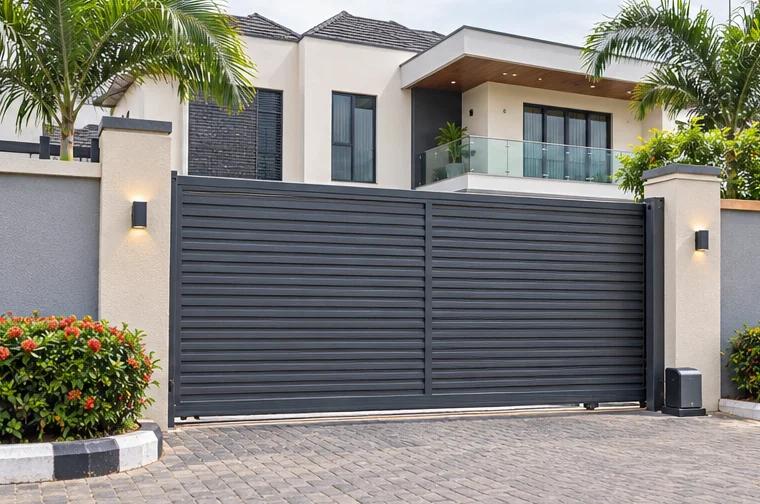
Automated Building Entrances
Suitable gate operators, controlled-entry doors and access systems designed around the property's physical layout.
Questions Developers and Property Managers Ask.
Depending on its design, a residential estate may require electrical power infrastructure, suitable connectivity pathways, security cameras, controlled entrances, shared equipment and maintenance arrangements.
Solar generation, battery storage, network equipment and other technologies should be selected according to the development's actual requirements.
Integrated Solutions Technology provides solar energy, structured cabling, fibre optic networking, CCTV, access control, automated gates, suitable IT equipment and technical support.
The specific systems depend on the property design and agreed project scope.
Ideally, infrastructure requirements should be considered during building design or before relevant construction and finishing activities.
Early planning can help define appropriate equipment space, cable routes, electrical connections and mounting arrangements.
Solar systems can be designed for individual homes, shared estate facilities or other suitable arrangements.
A centralised system may require additional electrical distribution, commercial, metering and regulatory considerations.
The appropriate model depends on the development's size and intended ownership or management structure.
Neither arrangement is universally better.
Individual systems allow separate ownership and energy arrangements. Centralised systems may have different distribution, management and maintenance requirements.
The choice should follow a site-specific technical and financial assessment.
Yes. Solar may be incorporated into the original development scope.
The developer should clarify the equipment specifications, included electrical loads, warranty arrangements, ownership and maintenance responsibilities for purchasers.
Costs depend on the number of units, energy demand, selected generation and storage capacity, electrical infrastructure and the proposed system arrangement.
A quotation should follow an assessment of the intended loads and project requirements.
A development may incorporate suitable roof provisions, electrical routes and equipment space for planned solar installation.
Structural capacity, roof waterproofing, electrical safety and the intended system design must be reviewed by competent professionals.
Structured cabling is an organised approach to installing communications cabling and related infrastructure within a building.
It may support compatible network connections, access points, security equipment and other approved communications systems.
A fibre-ready building has appropriate physical provisions for compatible fibre connectivity, such as suitable access points, communications spaces, risers, ducts and distribution pathways.
Actual broadband service depends on provider availability and connection arrangements.
Planning suitable communications pathways during construction can reduce difficulties later.
The exact equipment, cabling and service provision should reflect the building's design and the arrangements agreed with telecommunications providers.
Suitable fibre and structured network links can be planned between buildings and shared equipment locations.
The design must account for distances, cable routing, equipment compatibility and the intended services.
Suitable wireless networks may be deployed for approved common areas or other defined locations.
Estate-wide connectivity requires careful assessment of coverage, network capacity, service-provider arrangements and user access policies.
Suitable equipment depends on entrances, perimeter distances, lighting, monitoring objectives and environmental exposure.
A site-specific assessment helps determine camera locations, recording requirements and the necessary supporting network infrastructure.
Legitimate monitoring areas may include designated entrances, parking locations and appropriate common spaces.
Camera placement must avoid unjustified intrusion into residents' homes or private activities.
Compatible systems may support authorised remote access where suitable connectivity and security controls are available.
The property operator must establish who may view footage, how access is protected and how recordings are retained.
Yes, where surveillance involves identifiable individuals, relevant data-protection obligations may apply.
Property operators should assess the lawful purpose, transparency, camera placement, access rights, retention and whether a data privacy impact assessment is required.
Automated gates can be considered where the entrance geometry, usage requirements and safety conditions are suitable.
Gate automation must include appropriate safeguards for people and vehicles, emergency release and applicable technical requirements.
Compatible electronic access systems may support different credential types.
The chosen method should reflect the site's security policies, accessibility, privacy requirements and system compatibility.
Biometric access may introduce additional sensitive-data obligations.
Some compatible systems may support suitable backup power or manual release arrangements.
Operation during an outage depends on the equipment, backup design and installation conditions and should not be assumed without verification.
Compatible equipment may allow integration between entrance events and relevant camera feeds.
The supported functions depend on the selected platforms, network infrastructure and authorised management procedures.
Requirements depend on the property's risk assessment, layout, access policies and management model.
Possible systems include appropriate CCTV, electronic access controls and compatible automated entrances.
Yes. Suitable structured networking, solar infrastructure, electronic security and IT equipment can be considered for commercial buildings.
The project scope depends on the building's intended occupants, facilities and technical specifications.
Multi-site implementation requirements can be reviewed according to project locations, construction schedules, equipment requirements and available resources.
Actual coverage and delivery responsibilities must be agreed.
Relevant infrastructure needs should be communicated through approved layouts, equipment schedules, installation requirements and site coordination.
Construction, structural, specialist electrical and other regulated responsibilities remain with appropriately qualified professionals.
Useful information includes the development location, number and type of units, site and floor plans, construction stage, expected electrical loads and requested security or networking systems.
Existing technical drawings and bills of quantities can help define the work.
Retrofit projects can be considered for occupied properties.
The design should account for building access, existing finishes, occupant disruption, cable routes and required permissions.
Maintenance responsibilities should be clearly allocated to the developer, property manager, residents' association, individual owners or contracted service providers.
The arrangement depends on equipment ownership and contractual agreements.
Integrated Solutions Technology offers relevant solar maintenance, security system maintenance and IT technical support services.
The actual equipment coverage, attendance arrangements and service terms must be agreed.
Depending on scope, relevant records may include equipment inventories, diagrams, cable maps, configuration summaries, test results, operating guidance and maintenance recommendations.
Documents should reflect the completed installations and agreed handover requirements.
A coordinated scope may include several suitable infrastructure systems.
Each specialist element still requires appropriate technical responsibility, safe installation practices, acceptance requirements and clear contractual deliverables.
Contact Integrated Solutions Technology with the development's location, building type, drawings or existing plans and the infrastructure systems you want to include.
We can review the requirements and discuss an appropriate technical assessment and quotation.
Build More Connected and Secure Property Infrastructure
Share the site, project or technical requirement and Integrated Solutions Technology can help define the appropriate next step.
The Right Infrastructure Adds Practical Value to Every Development.
From solar power and building connectivity to surveillance, access control and technical handover, a successful property needs supporting systems that are planned for how it will be occupied and managed.
Whether you're developing a gated estate, apartment complex, luxury residence or commercial building, Integrated Solutions Technology can help you assess the infrastructure requirements and plan suitable solutions.