
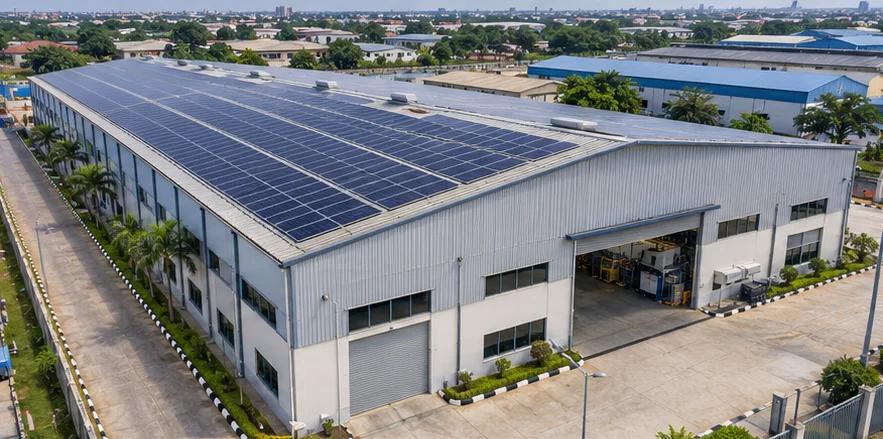
Power Infrastructure Demands More Than Equipment. It Demands Precision.
Solar, networking, security and technical support for energy project facilities and distributed sites in Nigeria.
Energy Infrastructure Doesn't Operate in Isolation.
Energy projects depend on the right systems working together—from solar generation and battery storage to connectivity, monitoring infrastructure and physical security.
Integrated Solutions Technology provides solar energy systems, enterprise networking, IT equipment installation, CCTV, access control and technical infrastructure support for suitable energy and utility facilities in Nigeria.
Whether you're developing a commercial energy project, upgrading facility infrastructure or supporting an engineering team at a distributed site, we help you define the supporting technology requirements and implement work within an agreed technical scope.
Every energy project exists within a wider technical environment.
Solar equipment must be appropriately designed and electrically connected. Batteries require compatible protection and control systems. Networked equipment may need secure communication links. Technical buildings require suitable access and security. Operators need reliable documentation to understand what was installed and who is responsible for maintaining it.
For larger or distributed projects, the challenge becomes more complex.
Equipment may be spread across multiple sites. Engineering teams may work remotely. Electrical, networking and security contractors may have different responsibilities. Changes may require approvals, specialist verification and coordinated commissioning.
These realities make early planning and clearly defined technical responsibilities important.
Integrated Solutions Technology helps organisations evaluate relevant solar, networking, IT and facility security requirements while working within the boundaries of its confirmed infrastructure services.
Appropriate Energy System Design
Assess suitable solar, hybrid inverter and battery storage configurations against real electrical demand.
Connected Supporting Infrastructure
Plan networking, structured cabling and approved communications infrastructure for relevant facility systems.
Better Facility Protection
Provide appropriate surveillance and access control for designated technical buildings, equipment areas and project sites.
Clear Implementation & Handover
Support defined installation, verification and technical documentation activities.
Energy, networking, security and technical infrastructure for commercial facilities, distributed energy projects and utility-support environments.
Supporting the Infrastructure Behind Energy Operations.
Energy facilities can include commercial solar installations, remote equipment locations, technical control rooms, offices and customer-service environments.
Each requires an appropriately defined combination of electrical, communications, physical security and technical support services.
Plan Solar Around Measured Energy Requirements.
Solar installations should reflect the electrical loads, available site space and intended operating conditions.
We help organisations assess and implement suitable commercial, industrial, hybrid and storage solutions according to confirmed project requirements.
- Commercial Solar Installation
- Industrial Solar Solutions
- Hybrid Solar & Inverter Systems
- Solar Battery Storage Solutions
- Solar Maintenance & System Upgrades
- Electrical load assessment and appropriate system planning
Large generation facilities, grid-connected power plants and regulated electricity supply projects may require additional licensing, specialist engineering, interconnection studies and qualified project partners.
Infrastructure for Energy-Related Facilities and Projects.
Commercial Solar Installations
Suitable solar generation, inverter, storage and supporting infrastructure for approved business loads.
Industrial Energy Facilities
Appropriate power solutions, networking, equipment-room infrastructure and physical security within the agreed technical scope.
Distributed Energy Project Offices
Enterprise networks, computing systems, communication infrastructure and facility access controls.
Mini-Grid Project Support Environments
Potential supporting IT, network and physical security work for appropriately authorised developers or operators.
Solar Equipment & Battery Rooms
Suitable installation planning, restricted access and applicable technical protection measures.
Energy Operations Offices
Enterprise networking, servers, storage, firewalls, computers and technical maintenance.
Remote Equipment Locations
Approved equipment inspection, connectivity support and defined physical infrastructure tasks.
Utility Administrative & Service Centres
Suitable office networks, equipment procurement, solar support and electronic security infrastructure.
Multi-Site Energy Businesses
Coordinated IT equipment deployment, technical records and defined onsite support across separate locations.
Get the Supporting Infrastructure Right.
Solar Systems Designed Without Reliable Load Data
The challenge
Equipment capacity may be selected without a clear understanding of electricity consumption and operating requirements.
How we address it
Review relevant load profiles, peak demand, existing infrastructure and intended system performance before defining a suitable solution.
Unclear Responsibilities Across Contractors
The challenge
Electrical installers, IT teams, security providers and project managers may assume another contractor is responsible for certain connections or tests.
How we address it
Clarify approved interfaces, installation scope, technical responsibilities and handover requirements.
Technical Facilities With Weak Connectivity
The challenge
Administrative systems or approved equipment may lack suitable network access.
How we address it
Assess appropriate wired or wireless infrastructure and any required separation between IT and specialist operational systems.
Inadequate Security at Equipment Locations
The challenge
Solar sites, equipment rooms and technical offices may need better surveillance or controlled access.
How we address it
Review legitimate security objectives and plan suitable CCTV, recording and entry equipment.
Equipment Installations Without Clear Documentation
The challenge
Incomplete cable records, equipment labels and technical handover information can complicate future maintenance.
How we address it
Provide agreed installation records, inventories and relevant verification documentation.
Remote Teams Need Local Technical Assistance
The challenge
A project engineer may need physical inspection or installation support at a distant location.
How we address it
Evaluate the task for appropriate smart hands or onsite support, subject to authorisation, competence and access conditions.
Every Project Begins With Understanding the System.
Energy infrastructure involves electrical risks, operational dependencies and potentially regulated activities.
Suitable implementation requires careful definition of the work and the professionals responsible for it.
Understand the Facility or Project
Review the site, existing equipment, intended improvements and operational environment.
Identify Technical Boundaries
Clarify the proposed energy, networking, security or IT activities and determine any specialist engineering or regulatory responsibilities.
Assess the Requirements
Review relevant load data, network specifications, equipment information, site access, protection requirements and project documentation.
Implement the Approved Work
Carry out suitable activities within the authorised scope, with competent personnel and appropriate safety procedures.
Verify & Handover
Complete the agreed tests and provide relevant equipment, installation and technical records.
Infrastructure Supporting Modern Energy Projects.
Illustrative images of typical installations and work environments.
Commercial & Industrial Solar
Properly installed solar equipment and storage infrastructure planned around verified electrical demand.

Energy Facility Networking
Structured networking, equipment racks and suitable communications systems supporting approved facility applications.
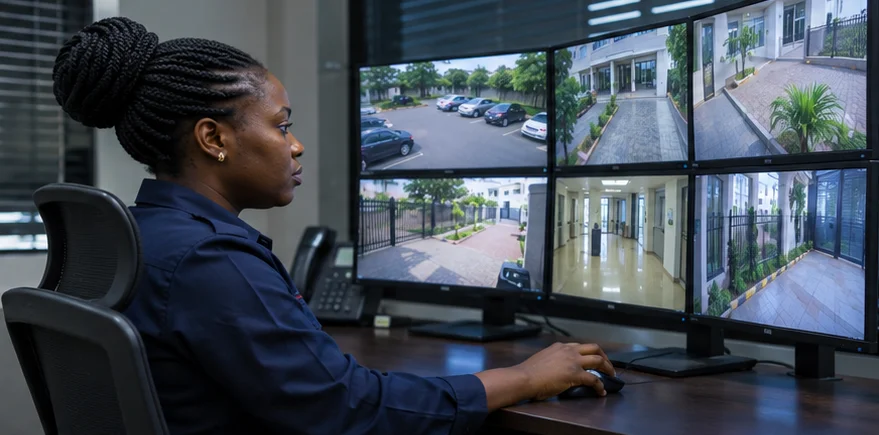
Technical Site Security
Appropriate CCTV, controlled entry and recording infrastructure around designated equipment locations.

Field Support & Technical Handover
Technical personnel inspecting approved equipment and documenting completed infrastructure activities.
Questions Energy Project Teams and Facility Operators Ask.
Energy businesses may need appropriately engineered power systems, network connectivity, computing equipment, data storage, physical security and technical maintenance.
The specific requirements depend on whether the company develops energy projects, operates facilities or provides supporting commercial services.
Integrated Solutions Technology offers commercial and industrial solar, hybrid inverter systems, battery storage, networking, servers, storage, CCTV, access control and related technical support.
Specialist utility operation, regulated generation and grid engineering are separate responsibilities unless expressly confirmed.
Suitable commercial solar projects can be assessed according to electrical requirements, available installation space and the approved project scope.
Large or regulated projects may require additional engineering expertise and authorisations.
Industrial Solar Solutions are part of the company's stated service portfolio.
Feasibility depends on facility demand, equipment requirements, electrical conditions, project scale and the confirmed installation competencies.
Not every energy installation requires batteries.
The need depends on the generation model, consumption profile, backup objectives, available electricity sources and system design.
Sizing should consider measured energy consumption, peak demand, operating hours, usable site space and the intended solar contribution.
Battery storage adds further considerations, including backup duration and compatible equipment.
Suitable hybrid systems may operate with compatible generators and electrical controls.
The arrangement must be properly engineered for safe switching, equipment compatibility, power quality and protection.
Potentially, but critical equipment requires specialised assessment of power continuity, protection, reliability and operational dependencies.
A general-purpose solar system should not be assumed suitable for critical utility loads.
A mini-grid is an electricity supply system serving multiple customers within a defined area, using its own generation and distribution infrastructure.
It may operate independently or in coordination with an existing distribution network, subject to applicable regulation.
Mini-grid development and operation can involve regulatory permits, customer agreements, specialist electrical distribution engineering and licensed operating responsibilities.
Those capabilities have not been confirmed in the company's existing 41-service portfolio. Supporting infrastructure activities can be discussed with an appropriately authorised project developer.
Nigeria's Mini-Grid Regulations 2026 provide an updated framework for relevant mini-grid authorisation and operation.
The correct requirements depend on the project type, capacity, location and the regulator with jurisdiction.
No. Installing photovoltaic equipment does not automatically grant permission to generate electricity for sale or operate a distribution business.
Appropriate authorisations depend on the business model and applicable law.
Depending on the activity and location, regulation may involve the Nigerian Electricity Regulatory Commission or an authorised state electricity regulator.
Electrical safety and inspection responsibilities may also involve NEMSA.
Grid interconnection requires appropriate technical design, protection, agreements and authorisation from the responsible entities.
A normal solar installation scope should not be interpreted as permission to export electricity.
Yes. Suitable enterprise networking, fibre, wireless and structured cabling can support approved administrative and technical applications.
Connections to critical operational systems require the responsible specialist engineer's approval.
Suitable fibre installations may be considered for approved locations and network requirements.
Cable routes, environmental protection, interfaces and testing should be defined in the technical specification.
Information technology networks generally support business data and applications.
Operational technology networks support the monitoring or control of physical processes.
Energy OT environments have additional safety and availability requirements that must be considered by competent specialists.
SCADA development, configuration and industrial control integration are specialist services not confirmed by the existing portfolio.
Supporting physical networking or computing infrastructure may be considered under an approved engineering design.
Suitable enterprise servers, storage and equipment-room infrastructure can be supplied and installed within a defined scope.
Application-specific energy management platforms and industrial control software require separate confirmation.
Appropriate firewalls can protect defined network connections, depending on the approved architecture.
OT-related security controls must account for system safety, performance and operating constraints.
Suitable CCTV may be installed around authorised site entrances, perimeters and relevant equipment locations.
Camera positions, recording arrangements, power and communications requirements should follow the site's security assessment.
Electronic access controls can be considered for designated restricted spaces.
Fire-safety, emergency response and equipment hazards must be addressed within the approved facility design.
Suitable smart hands and onsite technical tasks can be discussed based on the equipment, site permissions, competence and agreed instructions.
Work on high-voltage or otherwise hazardous utility equipment requires specialist authorisation.
Multi-site work can be assessed according to project geography, technical requirements, equipment and available resources.
Actual coverage and schedules must be confirmed before commitment.
Solar Maintenance & System Upgrades form part of the company's stated services.
The assessment should establish the equipment condition, manufacturer support, installation documentation and required work.
Only the inspections, tests and documentation included within the agreed technical scope should be claimed.
Statutory certification or specialist grid acceptance requires the relevant authorised parties.
Costs depend on electrical demand, solar array size, inverter configuration, battery capacity, mounting systems and site conditions.
A proper technical assessment is required for an accurate quotation.
Useful information may include the site location, facility drawings, electrical load data, project specifications, existing equipment and the approved scope.
Any regulatory approvals and specialist engineering responsibilities should also be identified.
Depending on the project, documentation may include equipment inventories, relevant diagrams, installation reports, actual test results and maintenance information.
Specialist power-plant commissioning records or regulatory acceptance documents require the corresponding qualified providers.
Yes. Suitable supporting infrastructure activities may be scoped under an energy developer's approved design and technical direction.
Responsibilities, site safety and acceptance criteria should be agreed in advance.
Contact Integrated Solutions Technology with your site information, project objectives, existing infrastructure and relevant technical specifications.
The company can review the proposed work and discuss appropriate assessment and quotation requirements.
Build Infrastructure Around the Way Your Facility Operates
Share the site, project or technical requirement and Integrated Solutions Technology can help define the appropriate next step.
Energy Projects Depend on Strong Infrastructure Foundations.
From commercial solar and storage to secure connectivity, technical equipment rooms and facility protection, energy projects involve more than one technology.
Integrated Solutions Technology can help organisations assess their requirements and implement suitable supporting infrastructure, with clearly defined responsibilities and technical deliverables.