
When Production Depends on Infrastructure, Every Connection Matters.
Industrial solar, factory networks, server infrastructure and site security for production facilities in Nigeria.
Production Has Enough Challenges. Infrastructure Shouldn't Add More.
A productive facility needs more than efficient machinery. It needs dependable power arrangements, connected business systems, secure premises and technology that can support the pace of industrial operations.
Integrated Solutions Technology provides solar energy, network infrastructure, enterprise IT and electronic security solutions for manufacturing and industrial facilities in Nigeria. From industrial power assessments and factory networking to server infrastructure, surveillance and access control, we help organisations plan practical technology improvements around their operating environment.
Manufacturing environments place demanding requirements on the systems that support them.
Power interruptions can affect production schedules. Unreliable connectivity can disrupt the exchange of information between departments. Ageing servers and poorly documented networks can complicate technical support. Inadequate surveillance can make large industrial premises harder to monitor.
These challenges differ from those of a conventional office. Industrial facilities may have extensive buildings, complex equipment arrangements, restricted access zones, demanding environmental conditions and operational systems that require specialist care.
Integrated Solutions Technology helps organisations assess the infrastructure surrounding these operations and identify appropriate improvements in power, connectivity, computing and facility security.
Support Production Continuity
Plan relevant power and IT infrastructure around the equipment and operational processes the business needs to maintain.
Connect Industrial Facilities
Provide suitable communications infrastructure for approved business systems, site connectivity and supported operational applications.
Improve Site Security Visibility
Plan surveillance and controlled access for relevant gates, boundaries, buildings and restricted areas.
Prepare for Expansion
Support additional equipment, production buildings, network users and infrastructure changes through appropriate planning and documentation.
Infrastructure solutions for factories, production sites, processing facilities and industrial business operations.
The Infrastructure Behind a More Capable Facility.
A manufacturing site combines several environments: production areas, equipment rooms, warehouses, administrative offices, entrance points and supporting facilities.
Each area has distinct infrastructure requirements, but changes to one system may affect another.
We help organisations consider these relationships when selecting, implementing and maintaining suitable solutions.
Understand Your Energy Requirements. Plan a Suitable Power Solution.
Electricity availability and energy costs can influence manufacturing operations and long-term investment decisions.
We help industrial organisations explore solar, hybrid inverter and battery storage solutions based on their actual electrical loads, operating patterns and available installation space.
- Industrial solar solutions
- Commercial solar installation for supporting facilities
- Hybrid solar and inverter systems
- Battery energy storage solutions
- Solar system maintenance and upgrades
- Site energy requirement assessments
Industrial facilities may have machinery with substantial starting currents, variable loads and power-quality requirements. These conditions must be assessed before deciding what a proposed solar or hybrid system can support.
Technology Support Across the Entire Facility.
An industrial site is made up of interconnected spaces that serve different operational purposes.
Understanding these environments helps define a realistic technology scope.
Production & Processing Buildings
Relevant power and connectivity infrastructure supporting authorised business systems, communications and approved digital equipment.
Warehouses & Material Storage Areas
Suitable wireless connectivity, surveillance and controlled access around stock areas, storage buildings and inventory operations.
Loading Bays & Vehicle Access Points
Appropriate cameras, gate automation and access-control arrangements to support site security procedures.
Administration & Management Offices
Enterprise networks, workstations, servers, network security and suitable technical support for corporate operations.
Server Rooms & Equipment Cabinets
Organised racks, cabling, network devices and computing equipment with appropriate environmental and physical security considerations.
Perimeter & External Facilities
Relevant outdoor surveillance, communication links and suitable power arrangements for approved equipment.
Site Expansion & New Industrial Buildings
Infrastructure planning for additional network connections, equipment locations, security zones and power requirements.
Practical Problems Deserve Well-Planned Solutions.
Unreliable Electricity Supply
The challenge
Interruptions or unsuitable power arrangements can affect selected business systems and production-support equipment.
How we address it
Review relevant loads and site conditions, then assess appropriate solar, hybrid and storage options as part of a properly engineered power plan.
Connectivity Across Large Facilities
The challenge
Production buildings, warehouses and administrative offices may be separated by distance or construction materials that complicate network coverage.
How we address it
Evaluate suitable fibre, structured cabling and wireless arrangements based on distance, capacity, environment and the devices being connected.
Ageing IT Infrastructure
The challenge
Unsupported network equipment, servers or storage systems can become difficult to maintain or expand.
How we address it
Assess equipment condition and compatibility, identify justified upgrades and plan approved replacement work.
Limited Site Surveillance
The challenge
Large sites may have entrances, outdoor areas or storage locations where additional visibility is required.
How we address it
Define surveillance objectives and consider suitable camera coverage, recording infrastructure and authorised monitoring arrangements.
Fragmented Infrastructure Documentation
The challenge
Unlabelled cables, incomplete equipment inventories and outdated network diagrams can make maintenance more difficult.
How we address it
Improve relevant cable labels, port records, equipment schedules and installation handover documentation.
Difficulties Coordinating Technical Work
The challenge
Infrastructure changes may require cooperation between internal IT teams, contractors, equipment vendors and plant personnel.
How we address it
Define responsibilities, site access, maintenance windows and appropriate verification before technical changes are made.
Practical Infrastructure. Carefully Coordinated Implementation.
Industrial projects require attention to site access, operational dependencies and equipment conditions.
Our approach begins with understanding the facility rather than assuming that standard office technology designs will fit every industrial environment.
Understand the Site
Review the facility layout, operating requirements, existing infrastructure and the challenges the organisation needs to address.
Identify Critical Requirements
Establish the systems involved, technical interfaces, operational constraints, equipment needs and any specialist engineering responsibilities.
Develop a Suitable Proposal
Select appropriate infrastructure options and define the equipment, installation work, safety considerations and expected deliverables.
Coordinate Implementation
Arrange approved work with relevant site personnel, technical teams and authorised maintenance windows where necessary.
Verify & Document
Check completed work against agreed requirements and prepare relevant records for the team taking operational responsibility.
Practical Technology for Real Industrial Environments.
Illustrative images of typical installations and work environments.
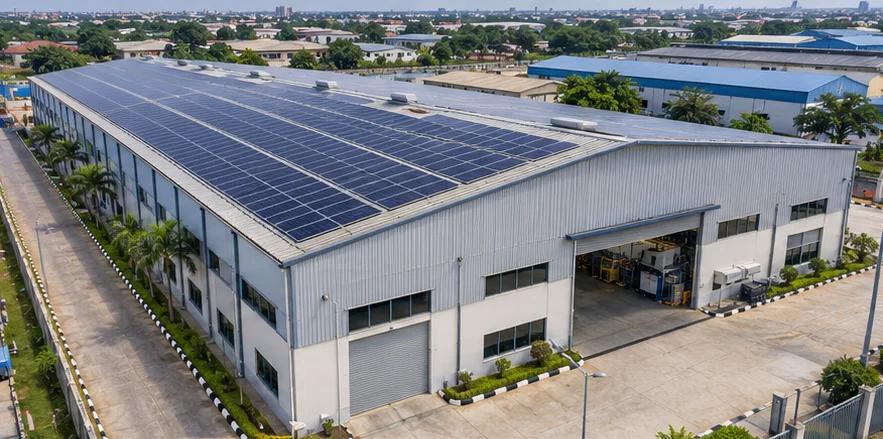
Solar Energy for Industrial Facilities
Commercial and industrial solar installations designed around assessed energy loads, suitable available space and relevant engineering requirements.

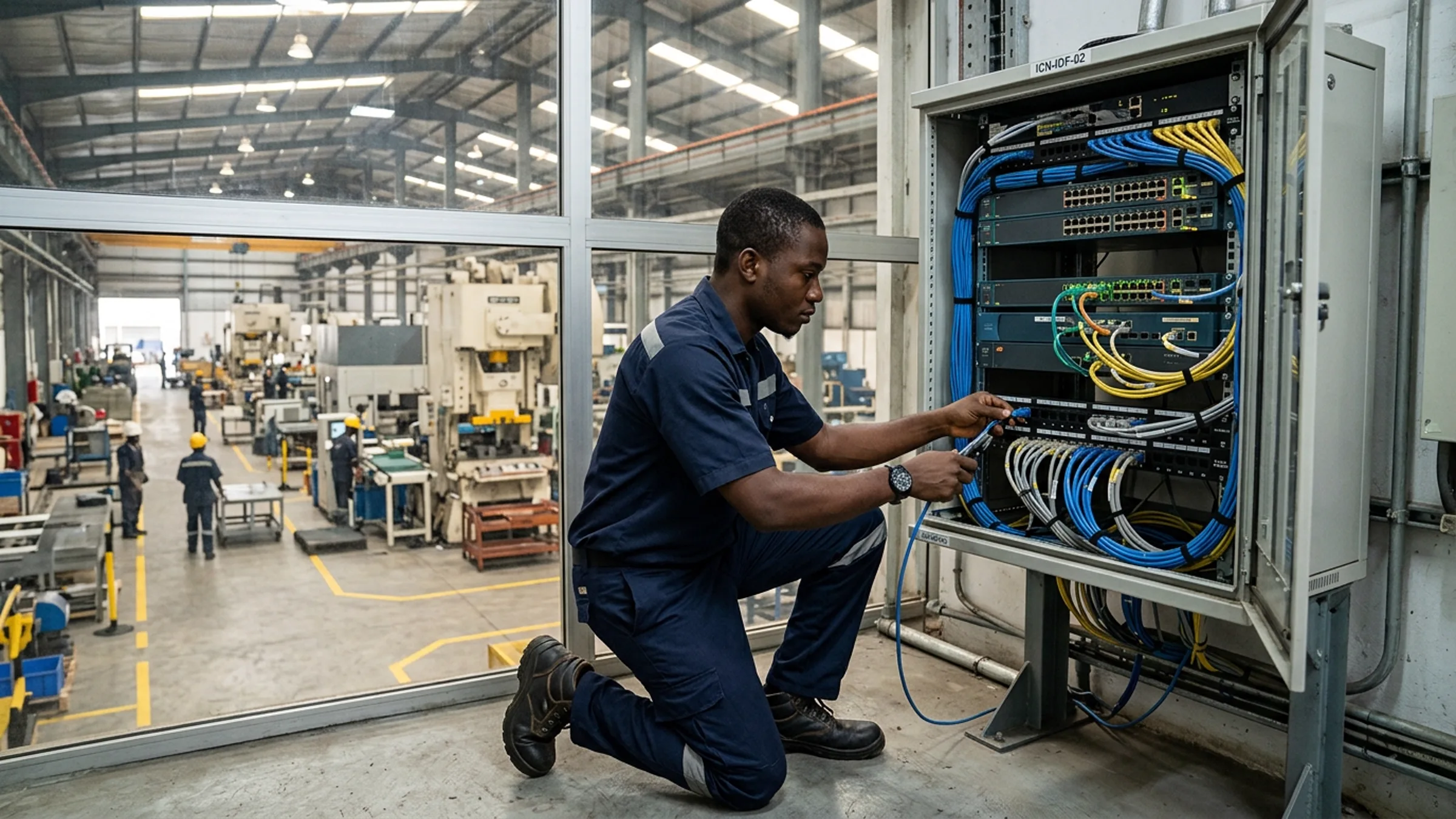
Factory Networking & Fibre Connectivity
Structured communications infrastructure linking appropriate offices, warehouse spaces and equipment areas.
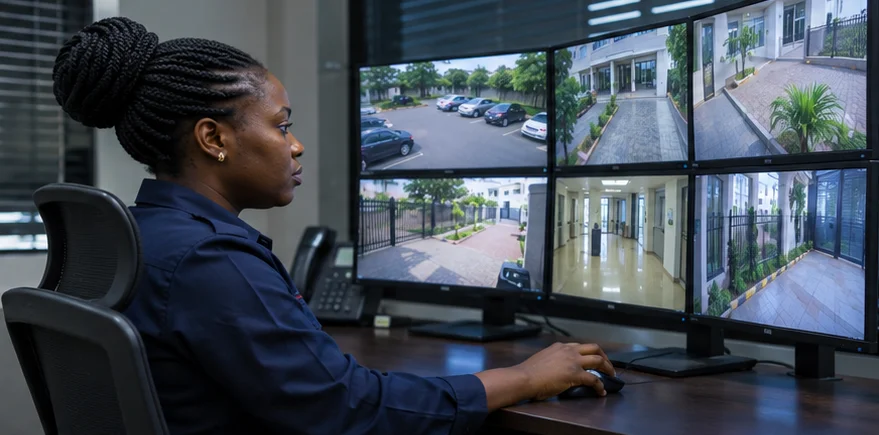
Industrial Surveillance & Access Control
Suitable monitoring and controlled-entry systems for designated boundaries, gates, buildings and operational areas.
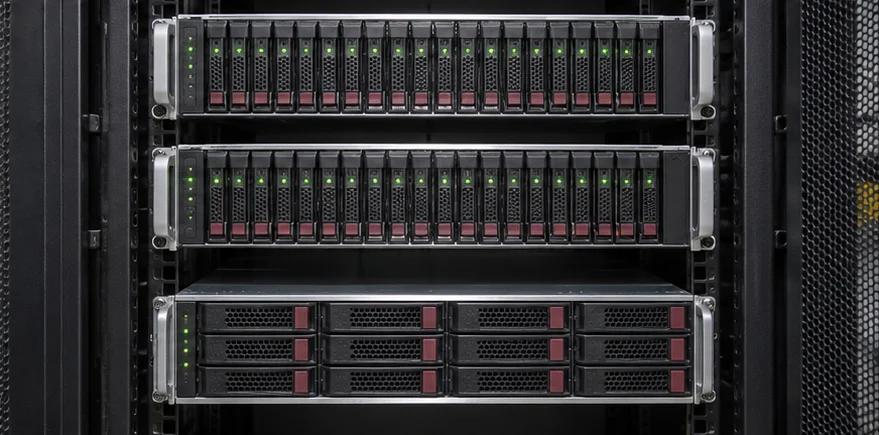
Server Rooms & Enterprise Equipment
Organised server racks, network equipment and storage infrastructure supporting approved business applications.
Questions Industrial Decision-Makers Ask.
Manufacturing facilities may need dependable electrical power, suitable communications networks, computing systems, data storage, surveillance, controlled access and technical support.
The requirements depend on the production process, facility layout, equipment, number of employees and operational priorities. Industrial machinery and safety-related systems may also require specialist engineering beyond general IT infrastructure.
Integrated Solutions Technology offers industrial solar solutions, structured cabling, network infrastructure, enterprise servers and storage, CCTV, access control, firewall solutions and IT technical support.
Each project should be scoped around the facility and the specific equipment or areas being supported.
Yes, solar can support suitable industrial loads as part of a correctly engineered power arrangement.
However, whether it can supply a particular production process depends on energy consumption, peak demand, motor starting requirements, operating hours, storage capacity and integration with existing electricity sources.
The required system size varies widely.
A proper assessment considers measured energy use, maximum demand, load profiles, machinery operation, available installation space and the proposed role of solar, storage and other power sources.
A system should not be sized solely by the factory's floor area.
Some machinery can be supplied by appropriately designed industrial power systems, but high-demand motors and specialised processes require careful engineering.
Motor starting currents, peak demand, power quality and continuity requirements must be reviewed before claiming that a particular solar or hybrid system is suitable.
The financial comparison depends on diesel consumption, electricity tariffs, solar generation, financing, system cost, maintenance and how energy is used.
A site-specific lifecycle cost comparison is needed. Savings should not be guaranteed without an appropriate feasibility assessment.
Hybrid power arrangements can be designed to operate with multiple electricity sources where suitable equipment and controls are used.
The exact switching, synchronisation, protection and operating strategy requires competent electrical engineering and compliance with applicable requirements.
Depending on its operations, a factory may require structured cabling, fibre links, suitable switches, wireless coverage and network security for authorised business and operational applications.
The design must account for physical distances, environmental conditions, capacity requirements and any separation needed between IT and industrial control networks.
Fibre optic cabling can be appropriate for long-distance communications and environments where electrical interference is a concern.
The installation design must consider cable protection, routing, termination, environmental conditions and the required equipment interfaces.
Wireless network solutions can be considered for suitable industrial spaces.
Coverage planning should account for building geometry, metal structures, equipment movement, interference, device requirements and user density.
A site survey may be necessary before determining access point placement.
Information technology (IT) generally supports systems such as business applications, servers, office networks and data services.
Operational technology (OT) includes systems that monitor or control physical industrial processes, such as certain production controllers and industrial automation equipment.
OT systems may have distinct safety, availability and change-management requirements, so work affecting them requires specialist coordination.
Network segmentation may be appropriate where different systems have different communication and security requirements.
A suitable design can help control traffic between business networks and industrial systems. The specific segmentation strategy should be developed with the responsible IT and OT teams.
Enterprise firewalls can be considered for appropriate business network security requirements.
If a proposed firewall will affect production systems, industrial protocols or safety-related traffic, its design and deployment must be coordinated with qualified OT and plant engineering personnel.
Many manufacturers use computing and storage systems for business applications, stock records, administration, reporting and other digital functions.
The required architecture depends on the applications, data volume, reliability needs and whether systems are hosted locally or elsewhere.
Some network tasks can be planned to minimise disruption, but others require approved maintenance windows.
The actual effect depends on the network architecture and which systems are connected. No upgrade should be assumed to be interruption-free without an appropriate technical assessment.
Suitable options depend on the areas requiring surveillance, lighting, distance, environmental exposure, recording requirements and legitimate security purposes.
Outdoor or harsh-environment locations may require appropriately rated equipment and mounting arrangements.
Yes. Suitable electronic access systems may restrict entry to designated areas through approved credentials and door hardware.
The design must account for emergency escape, personnel safety, operating procedures and any relevant industrial hazards.
Fire detection and alarm requirements depend on the building's use, occupancy, fire risks and applicable regulations.
Some industrial environments need specialist detector selection or fire-safety engineering. General electronic security installation should not be presented as a substitute for qualified fire protection design.
Multi-building infrastructure can be assessed for suitable network links, security coverage, equipment locations and technical support requirements.
The proposed arrangement should consider the distances, environmental conditions and operational dependencies between buildings.
Common measures include supported equipment, appropriate access controls, relevant firewalls, system maintenance, backups and controlled configuration changes.
Industrial control system security requires additional specialist consideration and should not be assumed to be covered by a standard office IT service.
Managed IT Support & Maintenance and Onsite IT Technical Support are part of Integrated Solutions Technology's service portfolio.
The specific equipment covered, site attendance, maintenance intervals and response arrangements must be agreed for the facility.
Existing power, network, computing and electronic security infrastructure can be reviewed for relevant improvement opportunities.
The recommended work may involve selected upgrades, replacement equipment, improved documentation or broader infrastructure planning.
Costs depend on the facility size, network and equipment quantities, cable distances, required security coverage, site conditions and technical scope.
An industrial solar installation will have different cost drivers from a factory networking or CCTV project. A defined assessment and bill of quantities help establish accurate quotations.
A multidisciplinary technology provider may coordinate suitable parts of these projects, provided the required capabilities, specialists and responsibilities are established.
Electrical engineering, fire safety and OT-related activities must remain under appropriately competent and authorised personnel.
Useful information includes the facility location, site layout, existing equipment, areas requiring improvement, known technical problems and operating schedule.
For solar enquiries, measured load and energy information is particularly valuable. For networking and security projects, floor plans, equipment lists and relevant access requirements can help.
Contact Integrated Solutions Technology with information about your manufacturing facility and the operational problems you want to address.
We can review your initial requirements and discuss the appropriate technical assessment, project scope and quotation process.
Build Infrastructure Around the Way Your Facility Operates
Share the site, project or technical requirement and Integrated Solutions Technology can help define the appropriate next step.
Your Facility Has Work to Do. Give It the Right Support Systems.
From power infrastructure and connectivity to servers, security and technical maintenance, manufacturing operations depend on systems that need to work together.
Whether you're planning a new production facility, expanding an existing site or addressing infrastructure limitations, Integrated Solutions Technology can help you assess the requirements and plan suitable solutions.