
Goods Keep Moving. Your Infrastructure Should Keep Up.
Warehouse Wi-Fi, loading-bay CCTV, access control and power infrastructure for logistics facilities in Nigeria.
When the Warehouse Stops Communicating, Everything Becomes Harder.
Every successful warehouse operation depends on what happens behind the movement of goods: the network connecting your teams, the power supporting essential equipment and the security systems protecting your facility.
Integrated Solutions Technology provides IT infrastructure, networking, solar energy and electronic security solutions for warehouses, distribution centres and logistics facilities in Nigeria. From warehouse wireless connectivity and structured cabling to CCTV, access control, server infrastructure and technical support, we help businesses build the supporting systems their operations require.
Warehouse operations depend on coordination.
Goods are received, identified, stored, picked, moved and dispatched. Employees need access to reliable information, authorised areas must remain controlled and managers need appropriate visibility across the facility.
When infrastructure is poorly planned, even routine activities can become difficult.
Weak wireless coverage may interrupt handheld scanners. Unreliable power can affect network equipment and workstations. Inadequate surveillance can make loading bays and access points harder to monitor. Poorly documented connections can delay technical troubleshooting.
These are challenges that should be considered together—not addressed through isolated equipment purchases.
Connectivity Across the Facility
Support suitable network access for approved warehouse devices, workstations and business applications.
Visibility Over Important Areas
Plan appropriate surveillance around goods-handling locations, entrances, loading bays and other approved monitoring zones.
Controlled Movement Into Restricted Spaces
Use suitable access systems to manage entry into designated rooms, storage areas and facility boundaries.
Infrastructure That Can Evolve
Prepare for additional storage areas, equipment, users and facility expansion through appropriate planning and documentation.
Technology infrastructure for storage facilities, distribution centres, fulfilment operations and logistics premises.
The Right Infrastructure for a Fast-Moving Environment.
Warehouses are physically different from conventional office environments.
Tall storage racks, large open spaces, loading docks, metal structures and changing inventory can create distinct technical requirements.
We help organisations assess these conditions and implement suitable infrastructure across the facility.

Keep Your People, Devices and Applications Connected.
Reliable network connectivity is important for approved handheld devices, warehouse workstations, business systems and communications.
We help organisations plan and deploy suitable wired and wireless infrastructure across storage aisles, dispatch areas, offices and other operational zones.
- Network design and installation
- Warehouse wireless network solutions
- Structured LAN cabling
- Fibre optic cabling
- Network switches and equipment installation
- Network configuration and upgrades
Wireless planning considers racking heights, inventory density, building construction, supported device requirements and expected network traffic.
From Receiving to Dispatch, Every Area Matters.
A warehouse is not a single open space. It is a collection of connected operational areas, each with its own technical and security considerations.
Goods Receiving & Inbound Areas
Suitable connectivity for approved receiving devices, appropriate surveillance coverage and supporting workstation infrastructure.
High-Bay Storage & Picking Aisles
Warehouse-specific wireless network planning that considers tall racks, inventory movement, suitable mounting positions and handheld device requirements.
Packing & Order Processing Areas
Appropriate network connections, business workstations and supporting IT infrastructure for approved processing activities.
Loading Bays & Dispatch Zones
Relevant CCTV coverage, suitable access arrangements and connected equipment supporting authorised dispatch operations.
Gatehouses, Vehicle Entrances & Yards
Appropriate surveillance, electronic access and compatible gate automation designed around site security and safe vehicle movement.
Administration & Warehouse Management Offices
Business networking, enterprise computing, network security and ongoing technical support.
Server Rooms & Network Cabinets
Organised racks, switching equipment, structured cabling, suitable power arrangements and technical documentation.
Multiple Warehouses & Distribution Sites
Coordinated equipment deployment, network infrastructure planning, site documentation and support requirements across business locations.
What Is Slowing Down Your Facility?
Wi-Fi Dead Zones Between Warehouse Racks
The challenge
Handheld devices may lose connectivity in storage aisles or areas obstructed by high metal racking and inventory.
How we address it
Review the warehouse environment, device requirements and current wireless performance before recommending suitable access point placement, antenna arrangements or network improvements.
Limited Visibility at Loading Bays
The challenge
Security and operations teams may struggle to review activity at goods-receiving areas, dispatch doors and vehicle entrances.
How we address it
Assess appropriate camera locations, recording requirements, lighting and viewing objectives for the relevant areas.
Uncontrolled Access to Storage Areas
The challenge
Employees, contractors and visitors may have different access requirements across warehouses, offices and sensitive goods areas.
How we address it
Evaluate appropriate electronic access control, authorised credentials and relevant entrance arrangements within the facility's security and safety procedures.
Power Interruptions Affecting Critical Equipment
The challenge
Electrical disruptions can affect selected network devices, workstations, security equipment and business systems.
How we address it
Review critical loads and consider suitable solar, hybrid, battery or other properly engineered power arrangements according to site needs.
Disorganised Network Infrastructure
The challenge
Unlabelled ports, poorly routed cables and undocumented equipment can complicate repairs and expansion.
How we address it
Review existing cabinets, connections and documentation, then plan appropriate cabling improvements, labels, port mapping or equipment upgrades.
Technology Spread Across Several Locations
The challenge
Distribution businesses may need consistent infrastructure and technical support across separate warehouses and administrative offices.
How we address it
Define site requirements, standardise appropriate technical records and coordinate agreed installation and support activities across locations.
We Assess the Environment Before Recommending the Technology.
A warehouse infrastructure project should reflect how goods, people, vehicles and information move through the site.
The right approach begins with the operating environment rather than a standard equipment package.
Understand the Operation
Review the facility type, layout, relevant work areas, existing infrastructure and technical problems that need to be addressed.
Identify Priority Requirements
Establish the systems, users, device types, connectivity demands, security requirements and power needs relevant to the project.
Plan the Infrastructure
Develop appropriate equipment and installation requirements, considering site constraints, operational dependencies and relevant technical standards.
Coordinate Implementation
Carry out approved installation and configuration work with suitable site access, safety procedures and operational coordination.
Verify & Handover
Check completed work against agreed requirements and prepare relevant documentation, test results and support information.
Technology Behind the Movement of Goods.
Illustrative images of typical installations and work environments.
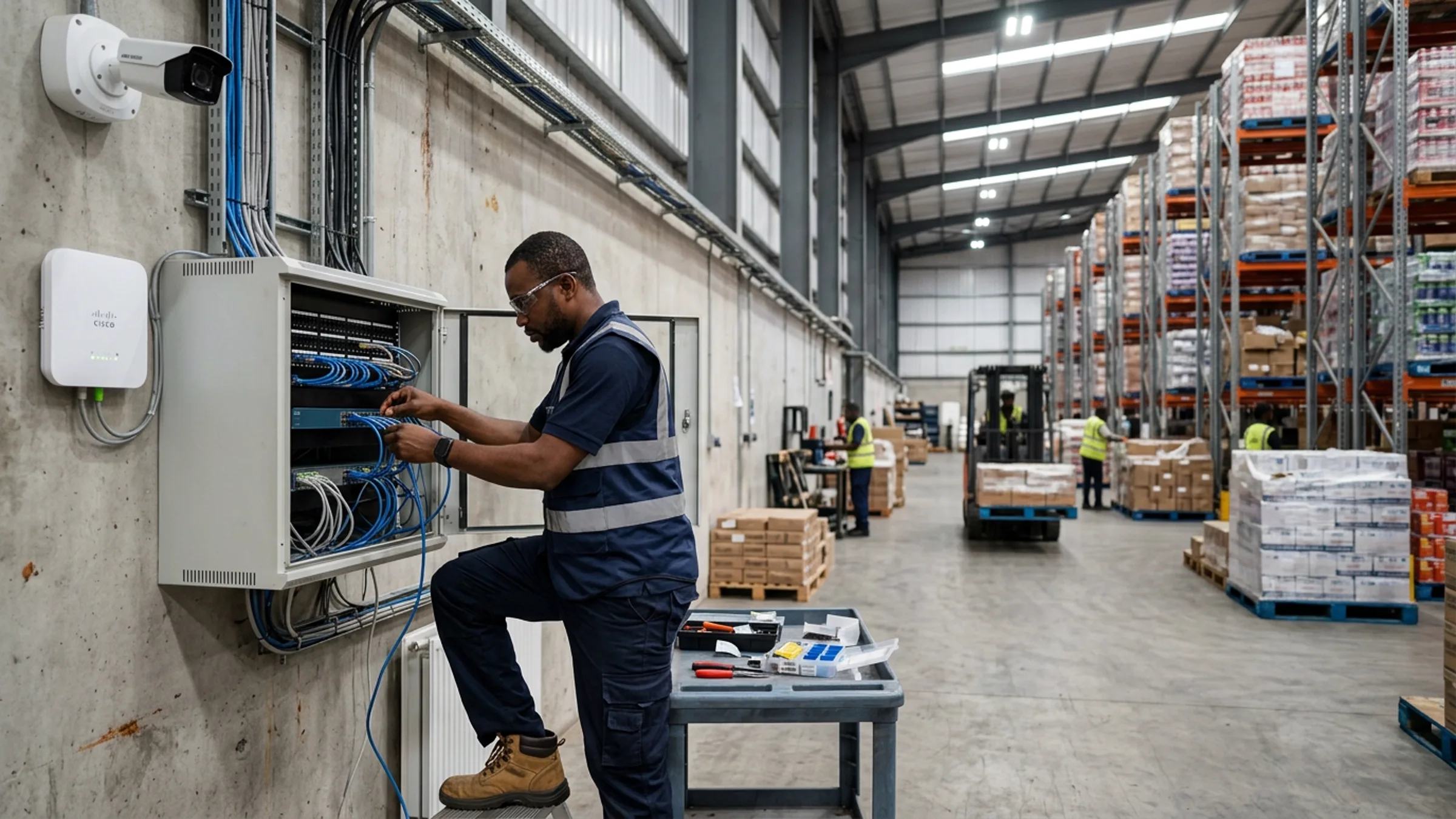
Warehouse Wireless Networking
Suitable wireless equipment deployed to provide planned connectivity through approved working areas, storage aisles and warehouse offices.
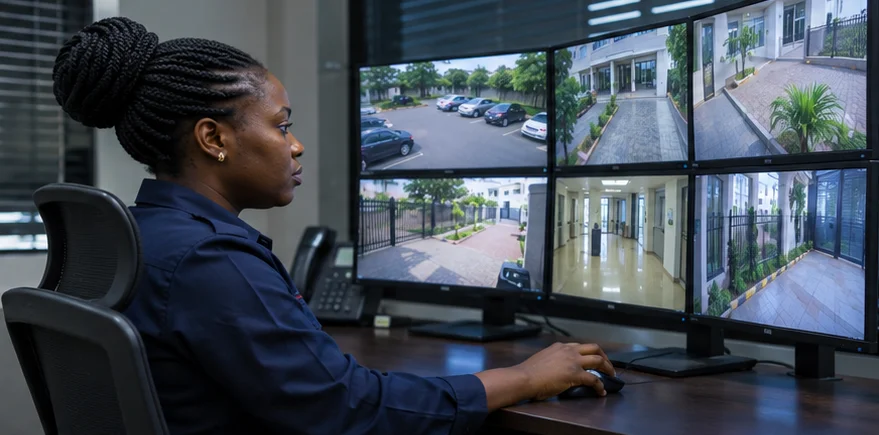
Loading Bay & Distribution Centre CCTV
Appropriate surveillance covering selected loading bays, dispatch entrances, goods-handling areas and external approaches.
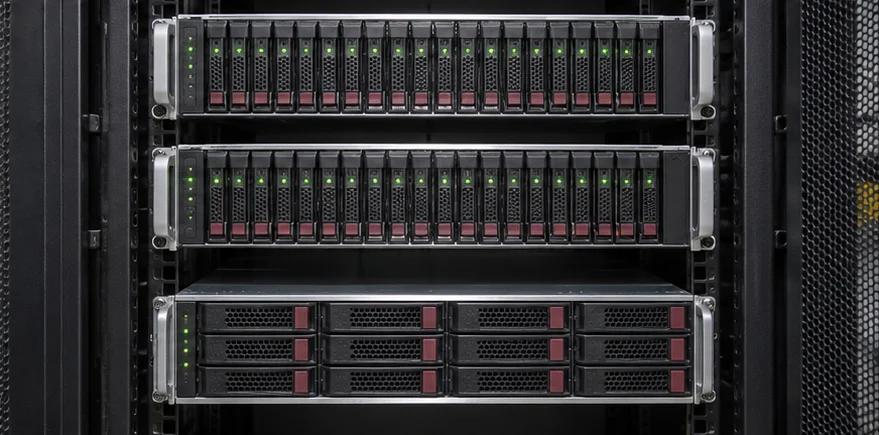
Enterprise Network & Server Infrastructure
Organised network cabinets, switching equipment, server hardware and documented connections supporting approved business systems.

Warehouse Power & Access Infrastructure
Suitable commercial solar and energy storage systems alongside appropriate access-control and entry equipment, according to site requirements.
Questions Warehouse and Logistics Operators Ask.
A modern warehouse may require reliable wired and wireless connectivity, computing devices, network equipment, appropriate servers or cloud connectivity, CCTV, access control and dependable power arrangements.
The actual infrastructure depends on the facility layout, business systems, device types, goods handled and operating requirements.
Integrated Solutions Technology offers network infrastructure, structured cabling, wireless solutions, servers, storage, commercial solar, CCTV, access control, firewalls and IT technical support.
Projects are planned according to the facility's technical needs and the agreed scope of work.
Warehouse-wide wireless infrastructure can be planned using suitable access points and antenna arrangements.
Coverage design should account for racking layout, ceiling height, inventory density, device specifications, expected traffic and interference. A site survey may be required.
Metal shelving, stored goods, building materials and equipment can absorb, reflect or obstruct radio signals.
Wireless coverage may change as stock levels and shelving arrangements change. Proper warehouse network design considers the actual environment rather than relying only on a standard office Wi-Fi layout.
Suitable wireless infrastructure can support compatible handheld devices and data applications.
The design should consider the device specifications, application requirements, coverage area, roaming performance and expected simultaneous connections.
Fibre optic cabling can be suitable for communication links between buildings or equipment areas.
The design must consider distance, cable type, pathway protection, termination, compatible networking equipment and relevant installation requirements.
Wireless access points still depend on suitable connections to the underlying network.
Structured cabling or fibre infrastructure may also support switches, office workstations, network cabinets, cameras and other connected devices.
Costs depend on the size of the facility, access point quantities, cabling distances, required equipment, installation conditions and testing needs.
An appropriate site assessment and defined technical scope are required for a meaningful quotation.
Camera selection depends on the intended monitoring area, viewing distance, lighting, environmental exposure and required image detail.
Different cameras may be suitable for loading bays, entrances, internal aisles and outdoor perimeter areas.
Potential locations include relevant vehicle entrances, goods-receiving points, dispatch areas, main access doors, selected storage zones and site boundaries.
The final positions should follow an assessment of legitimate surveillance requirements, visibility, privacy and security considerations.
An appropriately positioned and configured CCTV system may provide recorded footage of relevant loading-bay activity.
Its usefulness depends on coverage, lighting, recording availability, image detail and authorised access to the video.
Recording retention should be determined by legitimate operational needs and applicable data-protection obligations.
Storage capacity must be planned around the number of cameras, video settings, recording schedule and required retention period. There is no universal recording period suitable for every warehouse.
Suitable access control systems can be planned for designated employee entrances, administrative rooms and restricted areas.
Credential permissions should reflect the organisation's access policy, emergency escape requirements and visitor procedures.
Compatible gate operators may work with approved access-control devices and other suitable entrance equipment.
Vehicle movement, pedestrian safety, protective devices, power arrangements and emergency procedures must be considered during design.
Commercial solar systems can support suitable electrical loads when correctly sized and integrated.
Feasibility depends on consumption patterns, peak demand, available installation space, system configuration and whether battery storage or other electricity sources are needed.
It may be technically possible, but refrigeration systems can have substantial and continuous energy demands.
A qualified assessment must consider compressor starting requirements, temperature-control continuity, backup duration and the risks of power interruption. Solar should not be presented as a guaranteed cold-chain solution without appropriate engineering.
A suitable design begins with measured electricity use, peak demand, load schedules and the intended role of solar generation and storage.
Roof or ground space, operating hours and the existing power infrastructure also affect the result.
Suitable enterprise computing and storage infrastructure can be assessed and deployed to support approved business applications.
The architecture depends on whether the organisation uses onsite servers, hosted applications, cloud services or a combination.
Warehouse management software implementation is a separate specialist capability and should not be assumed to be included in general network and IT infrastructure services.
Integrated Solutions Technology's stated service scope focuses on the supporting power, connectivity, hardware, security and IT infrastructure. Application integration would need separate confirmation.
Suitable firewalls and network arrangements can support authorised connectivity between locations.
The design should consider network architecture, access policies, bandwidth, security requirements and the applications being connected.
Some improvements may be completed with limited disruption, while others require scheduled changes.
The actual impact depends on network architecture, redundancy, device dependencies and the implementation method. Zero downtime should not be assumed.
Onsite IT Technical Support is one of Integrated Solutions Technology's listed services.
The supported tasks, geographic coverage, technician availability and response arrangements must be confirmed for each request or service contract.
A suitable approach may include consistent access policies, appropriate CCTV coverage, protected recording equipment, secure network connections and clear incident-review procedures.
System design should remain specific to each facility's layout, risks and operational requirements.
Start with the warehouse layout, operational zones, connected devices, office requirements, security needs, power demand and expected future expansion.
These details guide wireless surveys, network design, cabling pathways, camera coverage and equipment locations.
Useful details include the facility location, floor area or drawings, racking layout, number of users, business applications, connected device types, current technical problems and required solutions.
For solar projects, energy consumption and critical load information are particularly important.
Contact Integrated Solutions Technology with information about your warehouse, distribution centre or logistics facility and the improvements you want to make.
We can discuss the requirements and identify the appropriate technical assessment, project scope and quotation process.
Build a More Connected and Visible Logistics Environment
Share the site, project or technical requirement and Integrated Solutions Technology can help define the appropriate next step.
Your Logistics Operation Has No Time for Infrastructure Guesswork.
From warehouse networks and site security to solar energy, enterprise computing and technical maintenance, logistics operations depend on systems designed around real working conditions.
Whether you're developing a new distribution centre, expanding an existing warehouse or addressing infrastructure limitations, Integrated Solutions Technology can help you define the requirements and plan suitable improvements.