
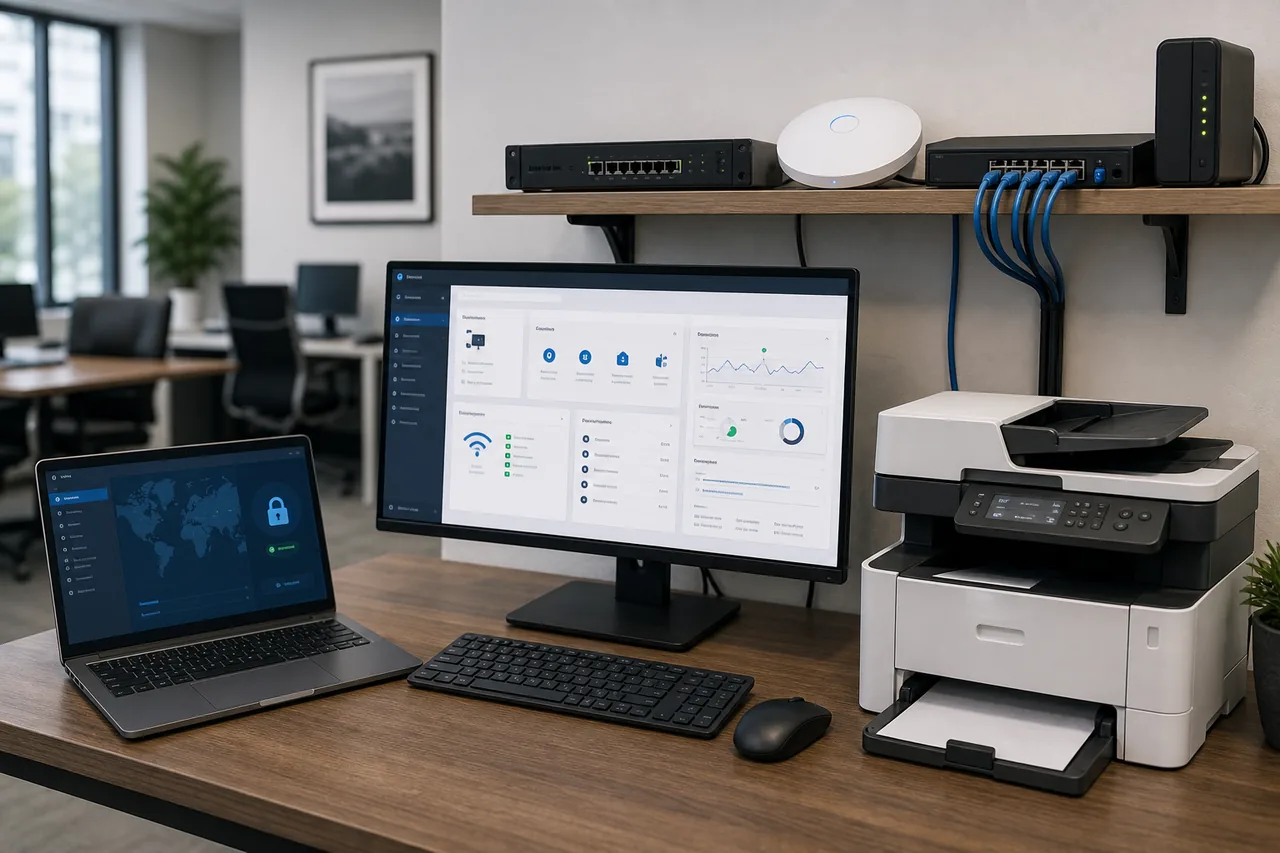
Every Customer Experience Depends on What Works Behind the Scenes.
Retail networking, CCTV, commercial solar and IT support for stores and shopping centres in Nigeria.
When Your Systems Work Together, Your Store Works Better.
A successful retail environment needs more than attractive displays and well-stocked shelves. It needs reliable connectivity, secure premises, dependable power and technology that supports the movement of people and everyday transactions.
Integrated Solutions Technology provides IT infrastructure, networking, commercial solar and electronic security solutions for retail stores, supermarkets, shopping centres and multi-location retail businesses in Nigeria. From store networks and security cameras to enterprise hardware, access control and technical support, we help retailers build infrastructure around their operational needs.
Retail operations bring people, technology and physical spaces together.
Customers expect a convenient shopping experience. Employees need access to business applications and connected equipment. Managers depend on relevant operational information. Property operators need appropriate security and infrastructure across shared spaces.
When supporting systems fail, the impact can spread quickly.
Unreliable internet connectivity may affect connected business applications and payment workflows. Weak wireless coverage can interrupt approved handheld devices. Power interruptions can affect essential equipment. Poorly positioned surveillance cameras can leave gaps in visibility.
For shopping centres, these requirements become more complex as multiple tenants, entrances, common areas and equipment systems share the same property.
Integrated Solutions Technology helps retail organisations assess these challenges and plan appropriate infrastructure improvements.
Keep Business Systems Connected
Support the network infrastructure needed for approved payment terminals, business applications, workstations and other connected devices.
Improve Store & Facility Visibility
Plan suitable CCTV coverage for relevant entrances, sales floors, storage rooms and shared spaces.
Support More Reliable Operations
Review suitable solar, inverter, battery and other power arrangements against critical business loads.
Make Expansion Easier to Manage
Establish practical networking, equipment, security and technical support requirements for new outlets or growing retail properties.
Infrastructure solutions for retail outlets, supermarkets, shopping malls, showrooms and multi-branch businesses.
One Retail Environment. Multiple Systems Working Together.
A retail store may need dependable connectivity for payment equipment, inventory devices and employee workstations.
A shopping centre may also require infrastructure for common-area surveillance, access-controlled rooms, tenant connectivity and facility administration.
We help organisations plan suitable solutions across the areas that support these environments.
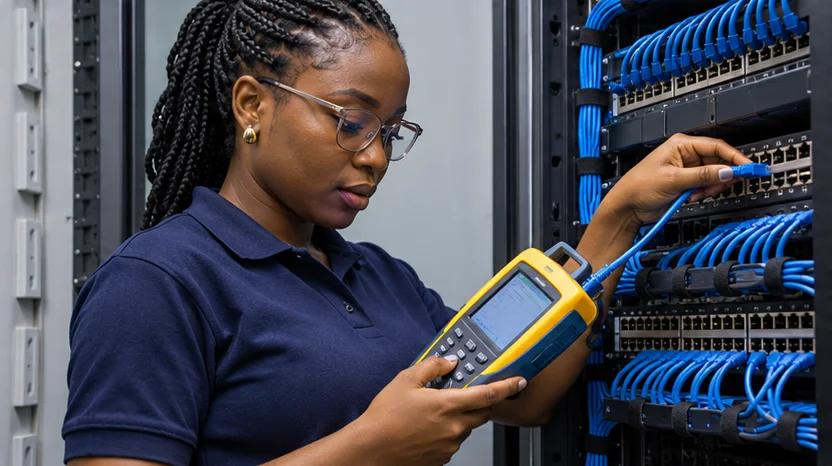
Keep the Technology Behind Everyday Transactions Connected.
Retailers depend on network infrastructure connecting approved payment terminals, business workstations, inventory devices and operational systems.
We help assess and deploy suitable wired and wireless networks for individual stores, supermarkets and multi-location retailers.
- Network design and installation
- Structured LAN cabling
- Business wireless network solutions
- Network switches, routers and equipment installation
- Fibre optic cabling
- Network configuration and upgrades
Where payment systems, staff devices and customer Wi-Fi share a location, the design should consider appropriate network separation and access controls.
Technology for Every Part of the Retail Experience.
Retail facilities vary widely in size, occupancy, operational complexity and customer traffic.
The right infrastructure must reflect the type of business and the specific areas it serves.
Supermarkets & Grocery Stores
Suitable store networks, surveillance, computing infrastructure and power arrangements for approved checkout, administration and connected business equipment.
Shopping Malls & Retail Centres
Infrastructure planning for common areas, shared technical spaces, building entrances, management offices and relevant tenant-related connectivity requirements.
Fashion, Electronics & Specialty Retail Stores
Appropriate connectivity, security cameras, access control and supporting technical equipment for individual retail premises.
Large Retail Showrooms
Network infrastructure, surveillance and suitable power arrangements across customer display spaces, administrative areas and relevant equipment locations.
Retail Stockrooms & Back-of-House Areas
Controlled access, appropriate surveillance and network connections supporting authorised inventory and workplace systems.
Multi-Branch Retail Chains
Coordinated network deployment, suitable firewall policies, infrastructure documentation and technical support across several locations.
Shopping Centre Management Offices
Enterprise networking, computing equipment, appropriate servers or storage, electronic security and ongoing IT technical support.
Retail Loading & Delivery Areas
Suitable outdoor CCTV, entrance controls and connectivity infrastructure for approved receiving and dispatch activities.
Retail Infrastructure Problems Can Become Business Problems.
Unreliable Connectivity at Checkout
The challenge
Payment terminals and connected business systems may experience interruptions when local networks or internet connections are unstable.
How we address it
Review relevant network infrastructure, device connectivity and dependencies before recommending suitable routing, switching, cabling or network improvements.
Shared Networks Without Clear Separation
The challenge
Guest devices, employee equipment and payment-related systems may have different security requirements.
How we address it
Assess appropriate network segmentation, supported firewall policies and access controls according to the retailer's security and payment-system responsibilities.
Inadequate Retail Surveillance
The challenge
Customer entrances, stockrooms, checkout areas or external spaces may not have appropriate visibility.
How we address it
Define the surveillance objectives and assess suitable camera placement, recording capacity and authorised monitoring procedures.
Power Interruptions Affecting Store Systems
The challenge
Network equipment, computers and selected operational devices may become unavailable during electricity interruptions.
How we address it
Identify relevant critical loads and evaluate suitable commercial solar, inverter or battery options with appropriate engineering.
Difficulties Supporting Multiple Stores
The challenge
A growing retailer may have different equipment, network configurations and support arrangements at every branch.
How we address it
Review technical requirements, document key equipment and coordinate appropriate installation, upgrade and maintenance activities across locations.
Poorly Organised Back-of-House Infrastructure
The challenge
Unlabelled cabling, ageing network equipment and incomplete documentation can make routine maintenance more difficult.
How we address it
Assess the existing environment and recommend appropriate cabling organisation, equipment upgrades, port mapping and documentation.
Infrastructure That Fits How Your Retail Business Works.
Retail implementation projects should account for trading hours, customer traffic, equipment locations, tenant responsibilities and the practical constraints of occupied premises.
We begin with the environment and the agreed business objectives.
Understand the Retail Environment
Review the facility type, layout, existing infrastructure, operating requirements and technical challenges.
Identify Priority Systems
Define relevant connectivity, power, security, hardware and support needs based on the intended applications and site conditions.
Develop the Technical Scope
Identify appropriate equipment, installation requirements, operational dependencies, site access and relevant implementation considerations.
Coordinate the Deployment
Carry out approved technical work with appropriate attention to trading schedules, maintenance windows, safety and facility access.
Verify & Handover
Review the agreed installation results and provide relevant equipment records, technical documentation and operational guidance where included in scope.
Technology Designed Around the Customer Environment.
Illustrative images of typical installations and work environments.
Retail Network & Checkout Connectivity
Appropriate network equipment and connections supporting approved store terminals, workstations and business applications.
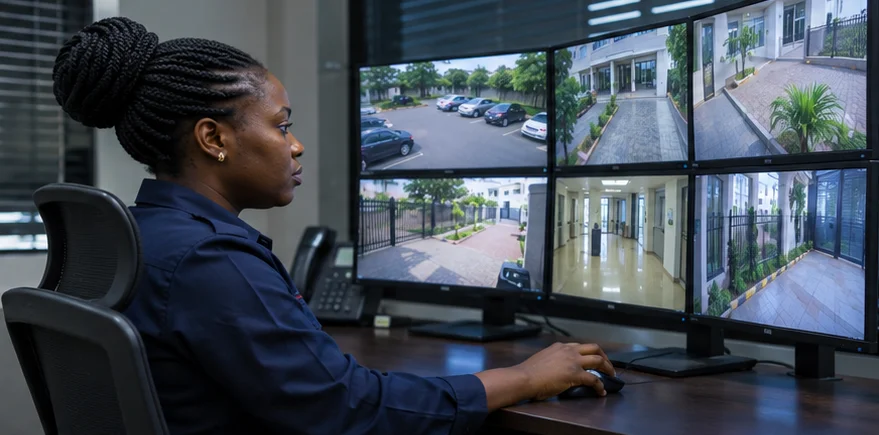
Shopping Centre CCTV & Access Systems
Electronic security equipment installed around relevant common areas, entrances and restricted building spaces.
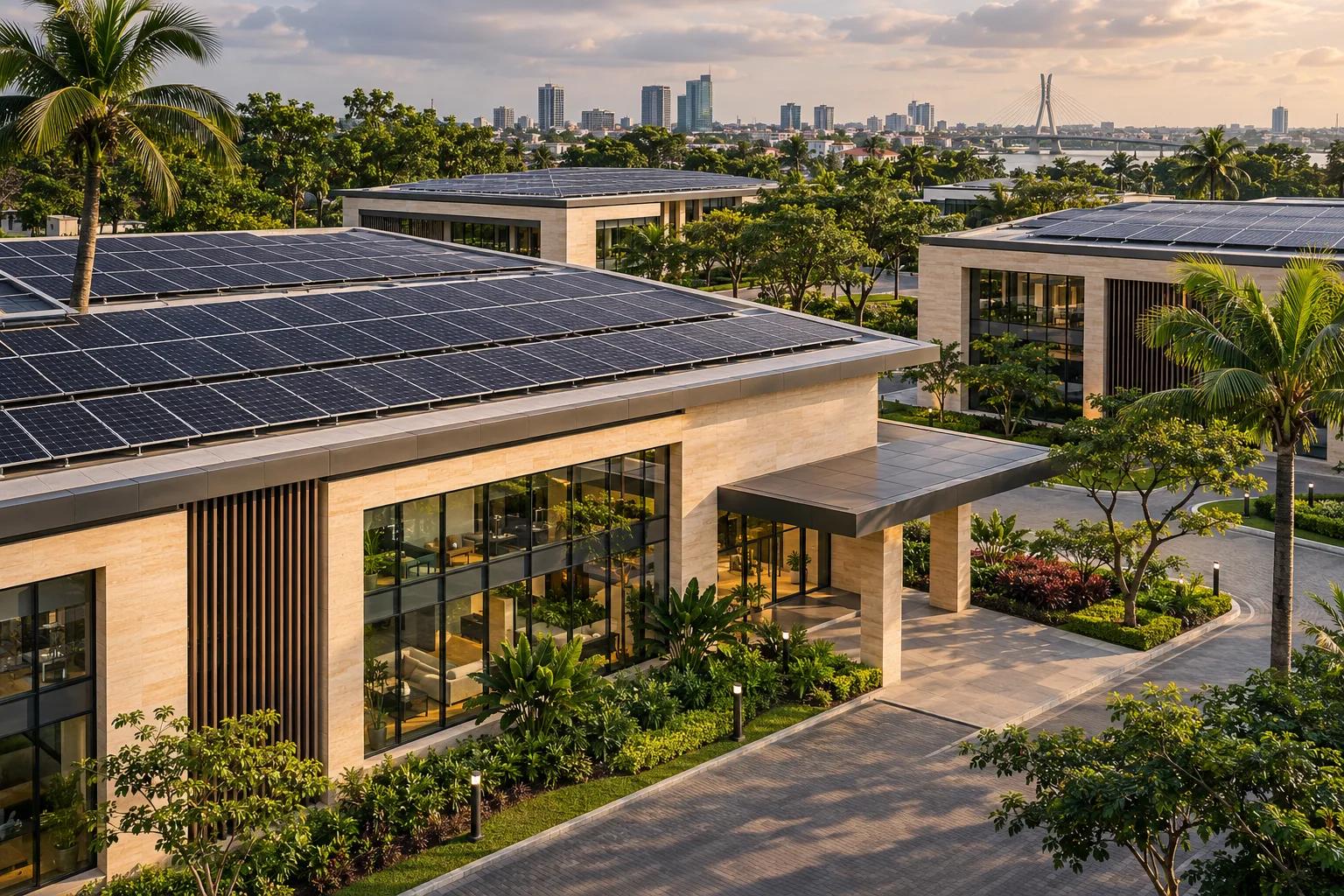
Commercial Solar & Backup Power
Suitable solar panels, battery storage and power equipment planned according to the property's actual energy requirements.

Multi-Store IT Infrastructure & Technical Support
Organised equipment, network connections and technical activities supporting retail organisations with multiple locations.
Answers to Common Retail Infrastructure Questions.
A retail store may need suitable internet connectivity, a secure wired or wireless network, supported payment-terminal connections, business workstations, surveillance equipment and dependable electrical power.
Larger stores may also require enterprise servers, storage, access control and defined technical support.
The exact requirements depend on store size, applications, equipment and operating needs.
Integrated Solutions Technology offers retail networking, structured cabling, Wi-Fi installation, enterprise hardware, CCTV, access control, commercial solar, firewall solutions and IT technical support.
The specific services are selected according to the premises and agreed project requirements.
New store infrastructure can be planned around the floor layout, connected devices, business applications, security requirements and power needs.
The scope may include network cabling, wireless access, suitable equipment and relevant security installations.
Costs vary according to store size, network points, equipment specifications, wireless coverage, CCTV quantities, power requirements and installation conditions.
An itemised project scope helps produce a realistic quotation.
Suitable network infrastructure can support compatible payment terminals and associated business systems.
The design should consider the payment provider's device requirements, network security, internet connectivity and any applicable payment-card security obligations.
Separating payment-related traffic from guest and general-purpose networks is often an important security design consideration.
The correct arrangement depends on the retailer's payment architecture, applicable PCI DSS responsibilities and technical requirements.
Yes, compatible network equipment can provide distinct wireless services.
The design should appropriately separate guest access from payment and business systems and apply suitable security policies.
Supermarket wireless networking should consider store size, shelving, interference, users, inventory devices and the applications requiring connectivity.
A suitable survey or assessment helps establish access point placement and network capacity.
Large-building wireless infrastructure can be considered for approved common areas, management offices or defined tenant networks.
The design must account for floor plans, building materials, device density, available cabling and the responsibilities of the property operator and tenants.
Suitable systems depend on store layout, required coverage, lighting, image-detail needs and recording requirements.
Cameras may be considered for entrances, checkout approaches, stockrooms and other legitimate surveillance areas.
Where a camera captures the relevant area and recordings remain available, footage may assist authorised incident review.
It cannot guarantee that every event will be captured or that all incidents can be prevented.
Compatible video management platforms can present relevant camera feeds through authorised monitoring arrangements.
The design must consider network capacity, recorder compatibility, viewing permissions, storage and security requirements.
There is no universal retention period suitable for every retail environment.
The organisation should establish a justified retention policy consistent with applicable privacy and data-protection requirements, while sizing recording storage accordingly.
Yes. Surveillance in publicly accessible areas may involve processing identifiable individuals' personal data.
Under Nigerian data-protection guidance, deploying surveillance cameras in places accessible to the public can trigger a data protection impact assessment requirement. Operators should also address transparency, access permissions, security and retention.
Suitable electronic access systems can manage entry permissions to designated stockrooms, offices and equipment areas.
Door hardware and access arrangements must also preserve required emergency escape and fire-safety functions.
Suitable automatic pedestrian entrance systems may be considered according to the building's layout and intended use.
The installation must address accessibility, pedestrian safety, emergency escape and relevant specialist requirements.
Solar generation, compatible inverters and battery storage can support suitable retail loads when properly assessed and designed.
Supermarkets with refrigeration or significant cooling demand require careful electrical and energy analysis before the proposed capacity is established.
The requirement depends on measured electricity use, peak demand, operating hours, relevant loads and desired solar contribution or backup duration.
A proper load assessment is needed before determining system size.
A properly designed and appropriately sized backup arrangement may support selected payment and network devices during an outage.
The system must account for the power requirements of all essential equipment, including network connectivity devices where applicable.
Multi-site IT support can be discussed according to the locations, supported equipment, operating hours and required technical services.
Actual onsite coverage, maintenance schedules and response times must be defined in the agreement.
Suitable networks and firewall or VPN arrangements may support authorised connectivity between branches and a central location.
The design depends on applications, internet availability, security requirements and existing infrastructure.
Retail network segmentation separates devices or traffic into defined network areas to apply different access and security policies.
For example, a retailer may separate payment systems, employee devices, guest Wi-Fi and relevant building systems according to the approved network design.
No. A firewall may support relevant payment security controls, but PCI DSS compliance depends on the applicable requirements and the complete cardholder data environment.
Formal compliance assessment and payment-system responsibilities must be addressed separately.
Existing network equipment, business computers, servers and related infrastructure can be reviewed for suitability, compatibility and support status.
The resulting upgrade plan should consider business operations and appropriate implementation windows.
Work may be arranged during an approved maintenance window where technical resources and site access permit.
Evening or weekend activities must be confirmed through the project schedule rather than assumed.
A defined assessment may examine relevant network equipment, connectivity, server rooms, power needs, CCTV, controlled access and existing documentation.
The scope depends on whether the engagement covers common areas, management facilities, individual tenants or multiple systems.
Useful details include the store or centre location, floor plans, number of outlets, network devices, business applications, security areas, current infrastructure problems and power requirements.
Existing equipment lists and technical drawings may also help.
Contact Integrated Solutions Technology with information about your retail premises, existing technology and intended improvements.
We can review your requirements and discuss a suitable assessment, installation scope and quotation.
Build a More Consistent Infrastructure Standard Across Your Locations
Share the site, project or technical requirement and Integrated Solutions Technology can help define the appropriate next step.
Your Customers See the Store. We Help You Build What Supports It.
From dependable connectivity and suitable power systems to surveillance, access control and ongoing IT support, modern retail depends on infrastructure that works together.
Whether you're opening a new outlet, improving a shopping centre or expanding a chain of retail locations, Integrated Solutions Technology can help you assess your requirements and plan the right technical improvements.
Related Resources
Project Planning Tools
Security Site Survey Checklist
Prepare for a CCTV or access control site visit by recording the areas, equipment and operating needs to review.
Project Planning Tools
Solar Energy Use Worksheet
Estimate how much electricity your appliances and equipment use each day before you discuss a solar project.