

Your Infrastructure Is Ready for Deployment. Let's Make Every Installation Count.
Install servers, storage and network appliances in Nigerian data centres, with equipment placement, connectivity checks and documented handover.
The Right Equipment Needs the Right Installation.
Professional equipment installation helps ensure that each component is positioned, connected and prepared according to its intended role.
Equipment Installed to Specification
Install compatible hardware with attention to manufacturer requirements, approved locations and physical installation conditions.
Clear Power & Network Connectivity
Organise required connections so your technical team can identify equipment interfaces and proceed with configuration.
Coordinated Deployment Activities
Align installation work with approved project schedules, site procedures and the teams responsible for related infrastructure tasks.
Easier Verification & Handover
Check the agreed physical installation work and provide useful information for the next stage of deployment.
Every Device Has a Purpose. Every Installation Has a Plan.
We help organisations carry out onsite installation activities while accounting for hardware specifications, available infrastructure and approved deployment procedures.
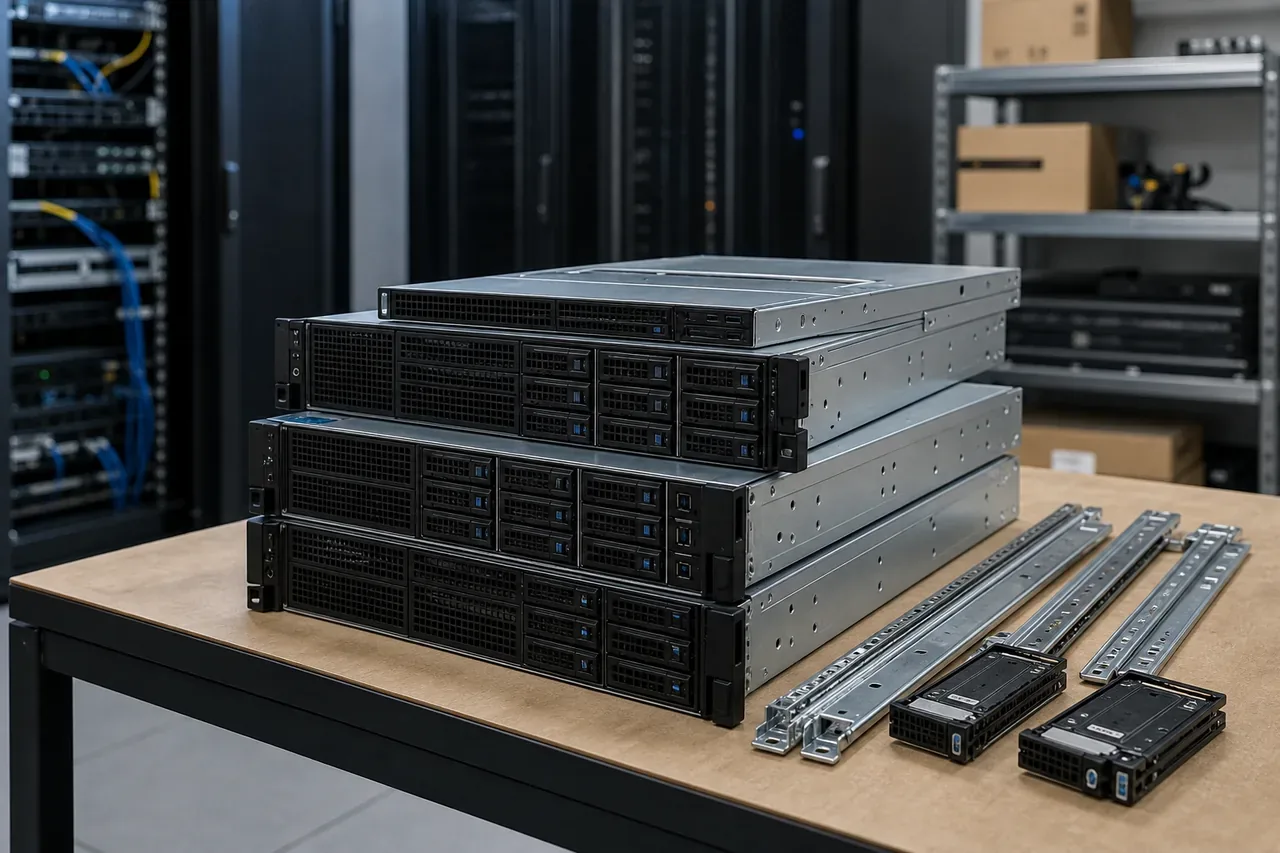
Confirm What Is Needed Before Installation Begins.
An efficient deployment starts by confirming that the required equipment and supporting infrastructure are ready.
We review the agreed equipment inventory, installation location, mounting accessories, available rack space and relevant power and connectivity requirements.
Where included in the scope, we identify visible equipment issues or missing installation components so they can be addressed before work proceeds.
From Enterprise Hardware to Installed Infrastructure.
Explore the equipment and technical installation activities involved in preparing a data centre for operation.
Images illustrate the equipment and work involved.

Server & Compute Equipment Installation
Physical deployment of compatible enterprise servers and computing equipment into appropriate racks and technical environments.
Storage Infrastructure Installation
Installation of suitable storage arrays, expansion shelves and related equipment according to the agreed design and manufacturer requirements.
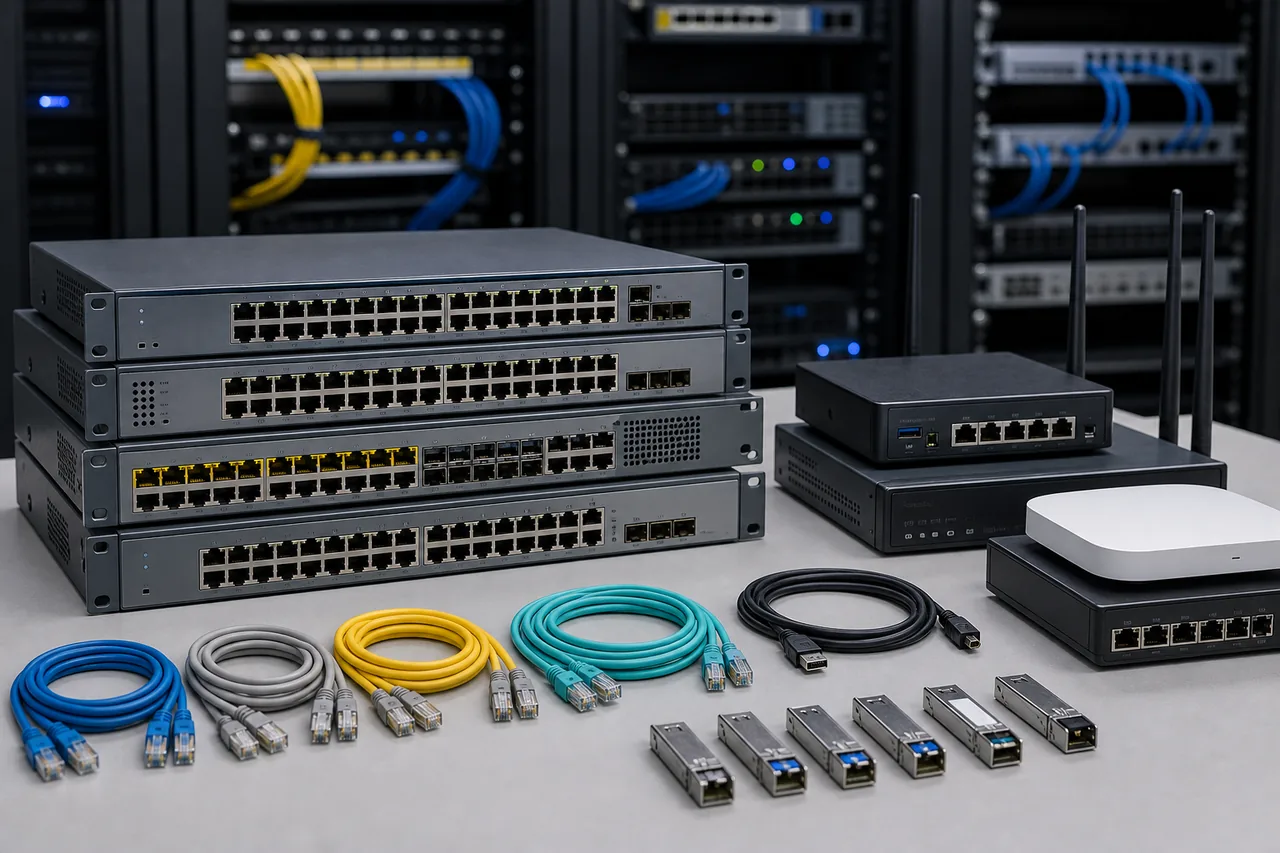
Network & Security Appliance Installation
Deployment of switches, routers, firewalls and other suitable network appliances into existing or newly prepared infrastructure.

Equipment Connectivity & Handover
Organisation of approved equipment connections and verification of relevant installation requirements before technical handover.
Your Data Centre Equipment Installation Questions, Answered.
Data centre equipment installation involves physically deploying IT hardware into a suitable data centre or server room environment. It can include equipment positioning, mounting, power and network connections, cable identification and agreed checks before the next stage of deployment.
Common equipment includes enterprise servers, storage arrays, network switches, routers, firewalls, power distribution units and other compatible IT devices. Installation requirements vary by equipment type, manufacturer specifications and project scope.
Integrated Solutions Technology provides onsite data centre and IT equipment installation services for organisations deploying or expanding enterprise infrastructure. The specific equipment, installation activities and project requirements are confirmed during consultation.
Rack-and-stack focuses mainly on physically mounting, arranging and connecting equipment within racks. Data centre equipment installation is a broader service that can include different hardware types, equipment-specific installation requirements, physical integration and deployment preparation. Actual scope depends on the project agreement.
Customer-supplied or vendor-supplied hardware can be considered for installation, subject to the equipment specifications, availability of suitable accessories and agreed site requirements. Hardware details should be reviewed before scheduling deployment.
Yes. A project may involve multiple types of enterprise equipment, provided the technical requirements, installation sequence and responsibilities are defined.
Installation within an operational environment may be possible, subject to available infrastructure, approved access, maintenance windows and change-control procedures. Work affecting existing equipment requires appropriate authorisation and coordination.
Agreed rack-level power and network connections can form part of equipment installation. Additional structured cabling, fibre installation or electrical infrastructure work should be defined separately where required.
Compatible firewalls and security appliances can be physically installed as part of an agreed deployment. Firewall policy configuration, licensing and network security setup are separate activities unless specifically included in the project scope.
Not automatically. Physical installation prepares hardware for use, while server configuration involves activities such as firmware settings, operating systems, network parameters and other software or platform requirements. These activities must be explicitly included if needed.
Yes. Appropriate physical installation checks and authorised basic operational checks can be included. More extensive connectivity testing, system validation and formal commissioning should be defined within the agreed verification scope.
Pricing depends on equipment quantities, device types, installation complexity, site location, access conditions, cabling requirements and the extent of verification needed. Sharing an equipment schedule and deployment brief helps establish a suitable quotation.
The timeframe depends on equipment quantities, installation requirements, hardware availability, site readiness and any approved maintenance windows. A defined equipment list helps establish an appropriate installation schedule.
Onsite deployment work can be coordinated with the customer's IT team, vendor representatives or remote engineers. This helps ensure physical installation activities follow the approved technical instructions and project responsibilities.
Useful details include the installation location, hardware models and quantities, rack or cabinet information, required mounting accessories, power and network connection details, access requirements and preferred installation window.
The completed work can be reviewed against the agreed installation requirements, with relevant equipment details and outstanding issues communicated to the responsible team. Configuration, further testing and operational acceptance then proceed according to the wider project scope.
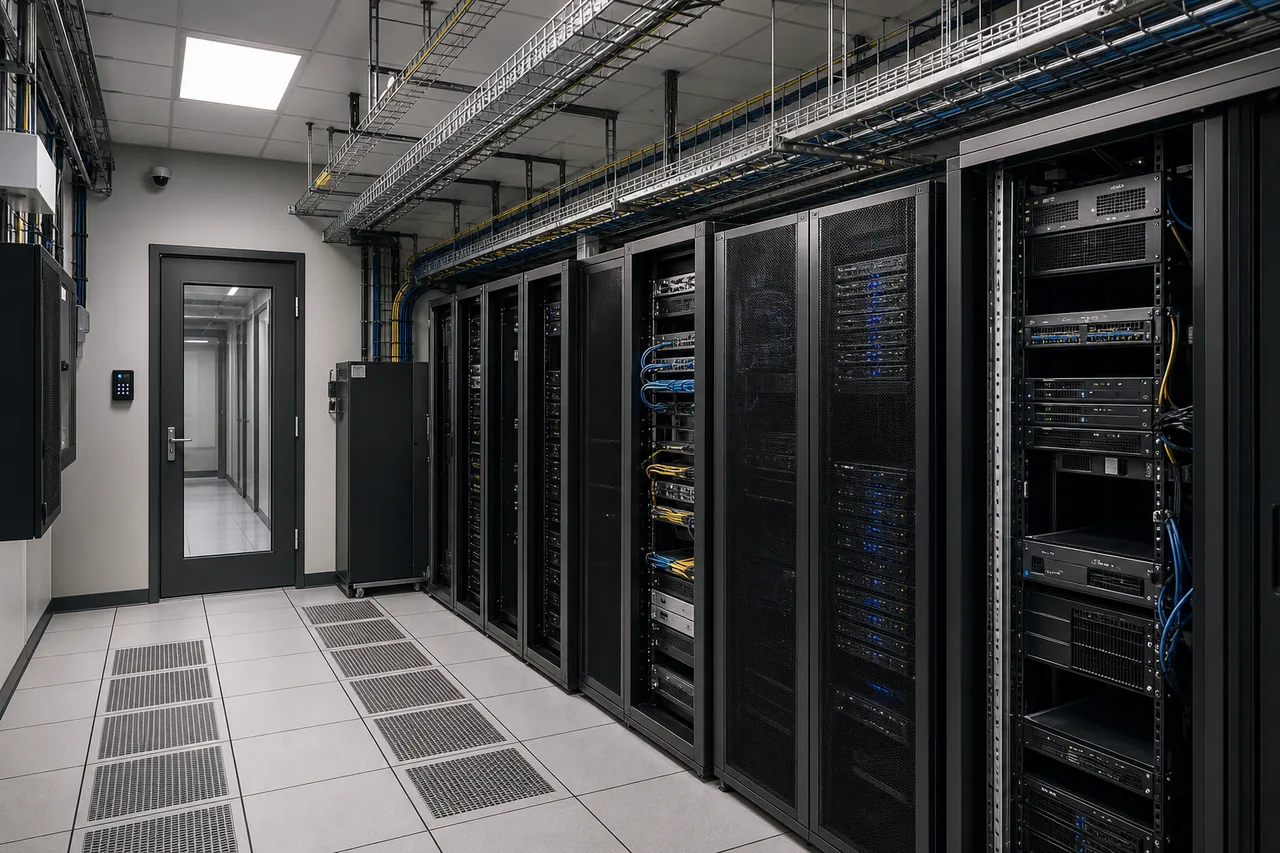
Make Your Next Infrastructure Installation More Organised.
Whether you're introducing new enterprise servers, expanding storage capacity or deploying network and security hardware, Integrated Solutions Technology can help coordinate the physical installation and prepare your equipment for the next stage of operation.