

Installation Complete. But Is Your Infrastructure Ready?
Verify data centre deployments in Nigeria with rack inspections, cable and port checks, equipment checks and documented findings before handover.
Small Installation Errors Can Become Bigger Operational Problems.
A structured verification process helps identify problems before infrastructure is accepted for use.
Identify Issues Before Handover
Detect relevant installation discrepancies, connection problems and equipment faults before the next deployment stage.
Confirm Installation Requirements
Check that installed equipment, rack arrangements and physical connections align with the approved project instructions.
Reduce Avoidable Rework
Address identified issues while installation details, equipment locations and technical teams are still accessible.
Improve Infrastructure Documentation
Provide clearer information about completed checks, identified exceptions and the status of the installed environment.
Every Connection Matters. Every Check Has a Purpose.
Our approach focuses on relevant physical inspection, connectivity verification, equipment checks and clear reporting.
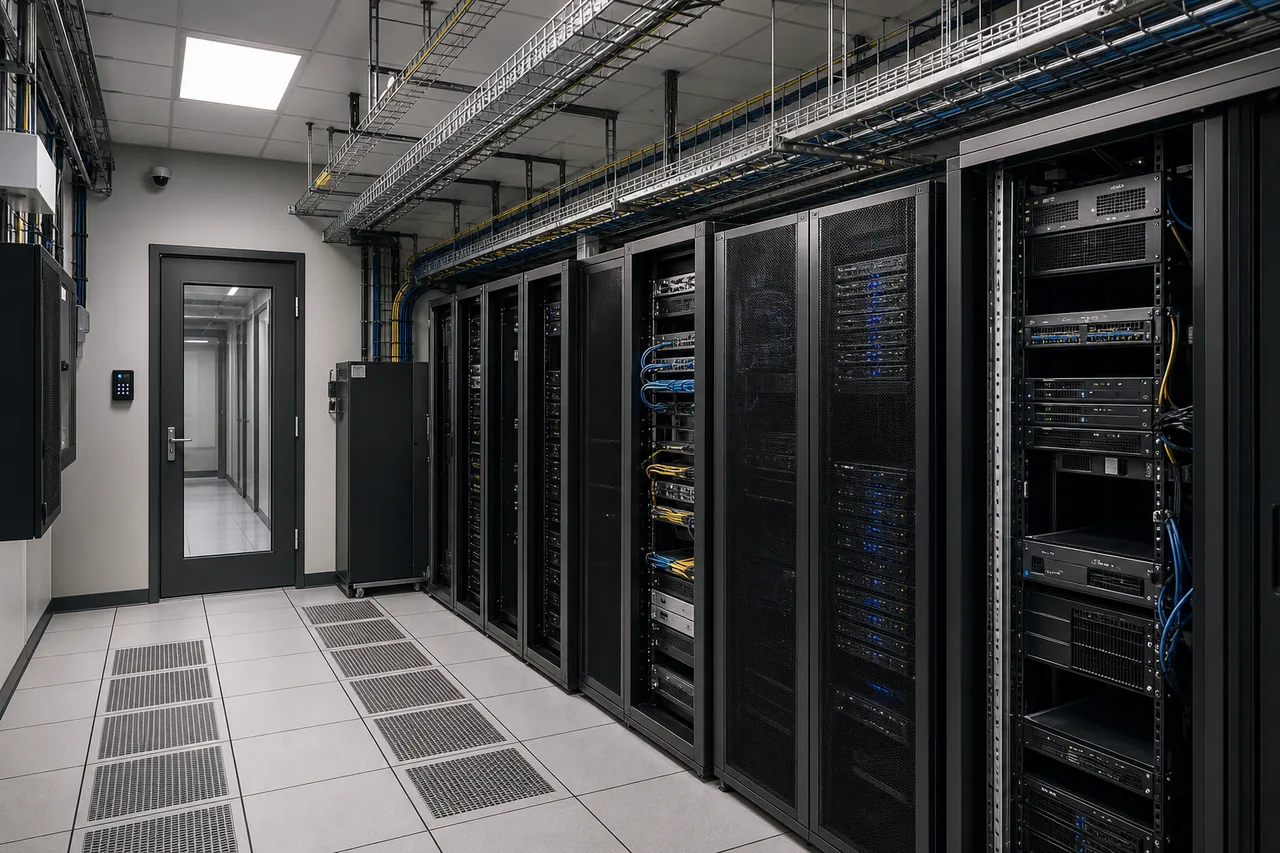
Start With What Has Been Installed.
The first step is checking the physical condition and arrangement of the deployed infrastructure.
We review relevant rack-mounted equipment, mounting arrangements, cable organisation, identification and accessible connections against the agreed installation requirements.
This helps identify visible installation discrepancies, missing components and physical conditions that may need attention before further testing.
The Technical Checks Behind Deployment Readiness.
Explore the inspections, testing activities and documentation involved in reviewing installed data centre infrastructure.
Images illustrate the equipment and work involved.
Rack & Equipment Inspection
Reviewing equipment positions, physical mounting, rack organisation and accessible installation details against approved deployment requirements.

Network Cable & Port Verification
Checking relevant copper and fibre connections, cable identification and port destinations using appropriate methods for the agreed testing scope.

Equipment Status & Connectivity Checks
Reviewing authorised equipment-status information and relevant connections to identify apparent installation or connectivity issues.

Test Records & Installation Handover
Documenting agreed checks, identified exceptions and completion information to support technical acceptance and future maintenance.
Your Infrastructure Testing Questions, Answered.
Data centre infrastructure testing and verification involves checking installed equipment, physical connections and relevant infrastructure conditions against defined project requirements. The purpose is to identify discrepancies and establish whether the agreed installation checks have been completed before handover.
Equipment can be physically installed without every connection, setting or supporting requirement being correct. Verification helps identify installation issues early and provides clearer information for configuration, commissioning and operational acceptance.
Depending on the project, it may include rack inspections, equipment identification, cable checks, power and network connection verification, authorised basic equipment-status checks and documentation of findings. The exact activities depend on the agreed testing plan.
Integrated Solutions Technology offers infrastructure testing and verification as part of its data centre and IT infrastructure services. The specific checks, required instruments and reporting deliverables should be agreed before a project begins.
Verification checks whether defined installation requirements have been met. Commissioning may involve a broader process of demonstrating that systems operate as intended, including functional, integrated or performance testing. The two activities can overlap, but they are not interchangeable.
Relevant physical installation checks, connection verification and authorised basic equipment-status checks can be included. Advanced server diagnostics, firmware validation, network configuration and application-level testing require separate technical requirements and agreed scope.
Yes, appropriate connectivity verification can be included where the required methods and equipment are available. More extensive copper or fibre qualification and formal certification must be separately specified because they require different testing procedures and instruments.
Cable verification checks basic connectivity, such as whether conductors or fibre paths are correctly connected. Certification uses specified test equipment and measurement procedures to assess compliance with an applicable cabling standard. A basic connectivity test does not establish formal standards compliance.
Port mapping and connection checks can help identify discrepancies between physical connections and approved documentation. The level of verification depends on the available port schedule, access and agreed test procedures.
Existing third-party installations may be reviewed, subject to site access, available documentation, equipment condition and a clearly defined verification scope. Any limitations should be identified before testing begins.
Some non-intrusive inspections and checks may be possible while systems remain operational. Activities involving disconnection, power changes or intrusive testing require appropriate change control, risk assessment and authorisation.
The agreed deliverables can include records of completed checks, observations, exceptions and relevant installation details. Formal certification reports, specialist measurements and independent acceptance documents must be explicitly included where required.
The issue should be identified and documented, with recommended next steps based on the findings. Corrective work may then be authorised, followed by appropriate re-verification of the affected item.
Yes. Physical infrastructure checks can be carried out before the next deployment stage to help confirm that the agreed mounting, connections and installation conditions have been reviewed.
Pricing depends on the number of racks and devices, quantity and type of connections, testing methods, site location, access conditions, reporting requirements and whether specialist instruments are needed. A defined test scope helps establish an appropriate quotation.
The duration depends on the size of the installation, the number of checks required, available documentation, site conditions and any issues discovered. A clear test plan helps determine an appropriate schedule.
Useful information includes the site location, equipment inventory, rack layout, cable schedules, relevant installation drawings, required test criteria, operational restrictions and preferred completion date.
Contact Integrated Solutions Technology with details of your installed infrastructure, the checks you need and the stage your deployment has reached. We can help define the verification requirements and next steps.
Don't Leave Deployment Readiness to Assumptions.
Whether you're completing a new data centre installation, reviewing a contractor's work or preparing equipment for technical handover, Integrated Solutions Technology can help you assess the installed infrastructure and identify what needs attention.