

The Installation Is Complete. The Knowledge Should Stay.
IT installation documentation and handover in Nigeria, including as-built drawings, equipment inventories, port maps and test records.
Your IT Team Shouldn't Have to Guess What Was Installed.
A structured handover gives the receiving team a clearer view of the installed infrastructure and the information required to manage it.
Know What You Own
Maintain relevant records of installed equipment, models, serial numbers, locations and other agreed asset details.
Trace Important Connections
Use consistent labels, cable schedules and port maps to understand how compatible network and infrastructure components connect.
Simplify Future Maintenance
Give technical teams access to relevant diagrams, configuration records and test results when investigating issues or planning changes.
Close Projects With Greater Clarity
Record completed work, verified outcomes, outstanding items and the responsibilities transferred at handover.
Make the Infrastructure Understandable Beyond the Project Team.
We help prepare and organise technical records according to the project scope, available evidence and the receiving organisation's documentation requirements.
Document What Was Actually Installed.
Approved designs describe what a project intends to deliver. As-built records describe the completed installation.
We help prepare relevant diagrams and infrastructure records using verified installation information, approved changes and available site documentation.
Depending on the project, this may include network topology diagrams, rack elevations, equipment layouts and suitable cable-route information.
Clear Documentation. Better Infrastructure Visibility.
Explore the technical records and handover materials that support ongoing infrastructure management.
Images illustrate the equipment and work involved.
As-Built Network & Infrastructure Diagrams
Diagrams showing the documented arrangement of relevant equipment and network connections after installation.
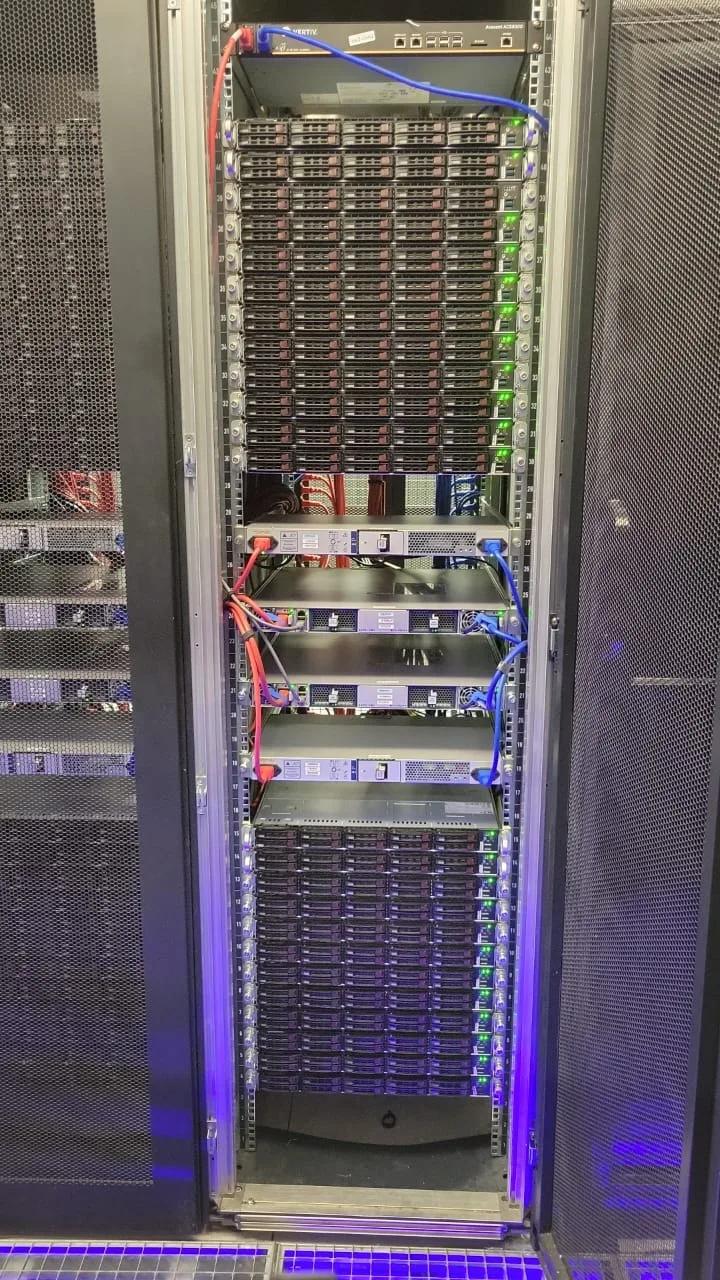
Rack Elevations & Equipment Inventories
Records identifying agreed rack-mounted equipment, model information, rack positions and associated asset details.
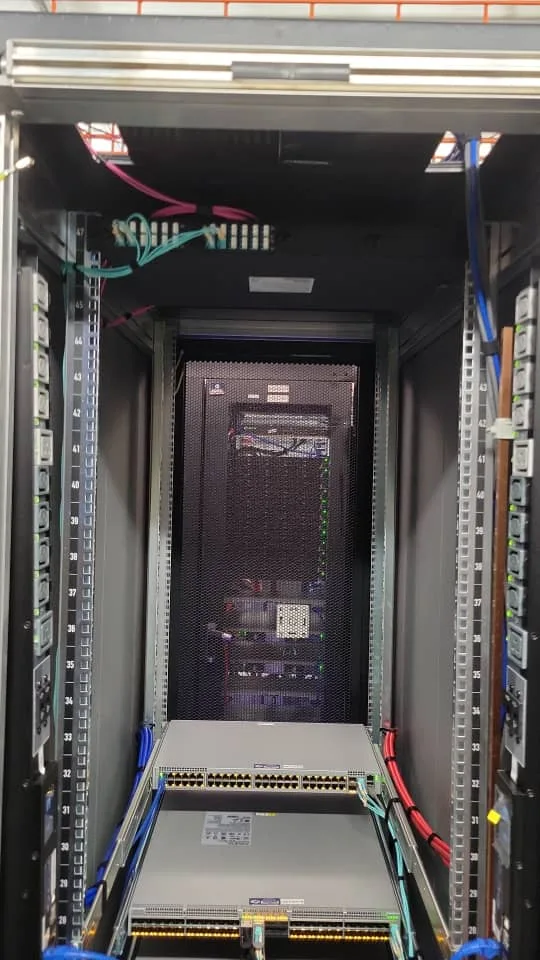
Cable Labels & Port Mapping Schedules
Consistent identifiers and records connecting relevant cables, ports, patch panels and destination devices.

Test Results & Project Handover Packs
Organised verification evidence, technical summaries, agreed outstanding items and supporting operational records.
Your Infrastructure Documentation Questions, Answered.
IT installation documentation is the collection of technical information that describes equipment, connections, configurations and relevant verification results for an installed technology environment.
The specific records depend on the infrastructure and agreed project deliverables.
Project handover is the process of transferring agreed technical deliverables, relevant documentation and operational information to the organisation or team responsible for the completed infrastructure.
It may include a review of the installed systems, test results, outstanding items and support responsibilities.
Integrated Solutions Technology offers Installation Documentation & Project Handover within its IT Services & Technical Support division.
Documentation requirements can be discussed for network, server, storage, data centre and other relevant infrastructure projects.
Pricing depends on the number of devices, cables and locations, the complexity of the infrastructure, available existing records and the required document formats.
Documenting a newly completed installation is often a different scope from reconstructing records for an older, poorly documented environment.
As-built drawings describe the installation as it was completed, including relevant changes from the approved design.
Depending on scope, they may show equipment locations, network connections, cable pathways, rack arrangements and other verified infrastructure details.
Design drawings describe the proposed installation.
As-built drawings are prepared or updated using verified information about the completed work, including approved changes made during implementation.
An existing environment can be assessed for the information needed to create suitable documentation.
The work may involve equipment inventory, connection tracing, authorised configuration review and validation of the resulting records.
The accuracy of the final documentation depends on the access and verification activities included in scope.
A network topology diagram represents the relevant devices and connections within a network.
Depending on the intended use, it may show physical links, logical relationships, network segments or other approved technical information.
A rack elevation diagram shows the documented positions of equipment and accessories within a server or network rack.
It commonly uses rack-unit positions to identify installed equipment and available space.
Cable and port mapping creates records linking identified cables and ports to their relevant endpoints.
This can help technical teams trace connections, investigate faults and plan approved equipment changes.
Consistent cable identifiers make it easier to relate physical connections to infrastructure records.
This can reduce uncertainty when troubleshooting or carrying out authorised moves, additions and changes.
Yes, relevant patch panels, switch ports and physical connections can be included in an agreed mapping exercise.
The scope should clarify whether records will be based on visible labels, existing documentation, physical tracing or additional testing.
An inventory may include device type, manufacturer, model, serial number, asset identifier, physical location and other agreed information.
Additional fields may cover installation dates, support status or ownership where reliable information is available.
Server room documentation may include rack elevations, equipment inventories, relevant connection diagrams, cable schedules and supporting technical records.
Electrical distribution, mechanical cooling and other specialist records should be prepared or verified by appropriately competent professionals where required.
Configuration exports and backups may be included for supported devices when the organisation authorises the activity and the required access is available.
Compatibility, backup integrity, confidentiality and secure storage arrangements must be considered.
General infrastructure documentation should not contain unprotected passwords, private keys or other sensitive credentials.
Necessary access information should be transferred and managed through approved secure mechanisms, with suitable permissions and accountability.
Relevant installation test records and commissioning documentation can be compiled where the tests were included in the approved scope and supporting evidence is available.
A report should identify the actual tests performed rather than imply that unperformed verification activities have been completed.
Not by itself.
Accurate records help demonstrate what was installed and what was tested, but formal compliance claims require the applicable standard, appropriate testing, competent assessment and relevant evidence.
TIA-606 is a telecommunications infrastructure administration standard covering identifiers, records, labels and related documentation practices.
Its relevance to a particular project should be established in the approved specification. Using a labelling convention does not automatically establish compliance with the full standard.
The required format can be agreed with the customer.
Equipment schedules and port maps may be maintained in spreadsheets, while diagrams and project reports may be supplied in suitable PDF or editable formats, depending on the available tools and deliverables.
Third-party installations can be considered for documentation, subject to site access, available technical information and permission to inspect or test the infrastructure.
Incomplete records may require additional verification to avoid creating inaccurate as-built information.
Verification methods depend on the cable type and environment.
They may include visual inspection, authorised tracing, existing identifier checks and appropriate test equipment. Active connections should not be disconnected or changed without permission.
Documentation updates may be included when equipment is added, replaced, relocated or reconfigured.
Maintaining records throughout the infrastructure lifecycle is preferable to allowing the original handover package to become outdated.
A punch list records outstanding or incomplete items that must be resolved, reviewed or formally accepted according to the project agreement.
It helps separate completed deliverables from remaining corrective or closeout activities.
A technical walkthrough or operational guidance may be included where agreed.
Formal administrator training, manufacturer certification or extensive knowledge-transfer programmes require a separately defined scope.
Ownership, permitted use, confidentiality and rights to editable files should be specified in the project agreement.
This is especially important where documentation includes proprietary templates, third-party materials or sensitive infrastructure information.
Documentation should be kept in an appropriately controlled location with defined access permissions, backup arrangements and a process for managing revisions.
Sensitive network diagrams and system configurations should not be made publicly accessible.
Multi-site documentation can be structured around an agreed location hierarchy, asset identifiers, naming conventions and consistent records.
The required site visits, verification activities and document structure should be defined for each location.
The timeframe depends on the size of the infrastructure, document detail, available records, site access and verification required.
Documentation prepared alongside an installation may be easier to complete than records reconstructed long after project delivery.
Useful information includes the site location, infrastructure type, approximate equipment count, available diagrams, cabling quantities and required deliverables.
Any existing project scope, BOQ, equipment inventory or test records may also help.
Contact Integrated Solutions Technology with details of the installation or existing infrastructure and the documents you require.
We can review the available information and discuss the verification activities, documentation formats and appropriate project scope.
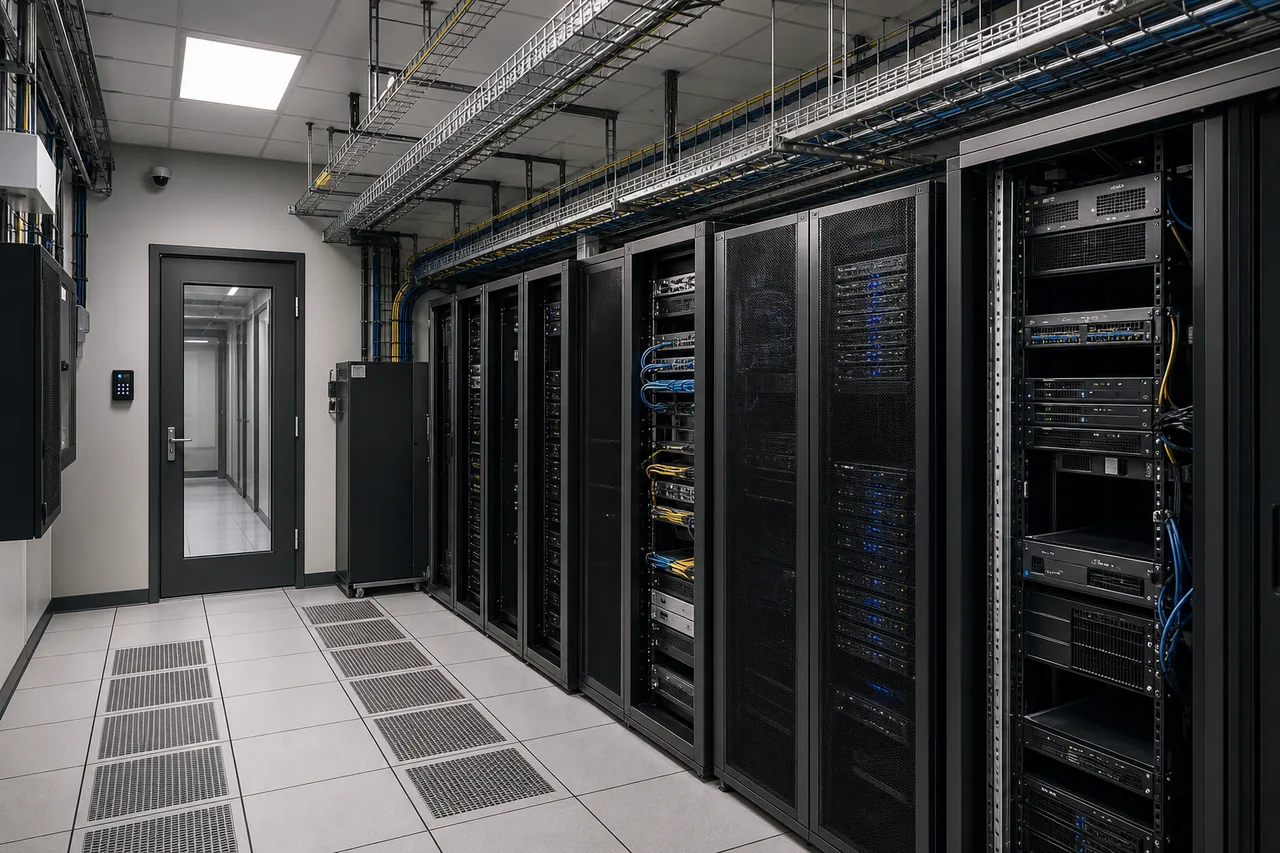
Every Good Installation Deserves a Clear Record.
Whether you're completing a new IT deployment, preparing technical records for your operations team or trying to understand an existing infrastructure environment, Integrated Solutions Technology can help you organise the documentation needed for informed maintenance and future changes.