

Better IT Decisions Begin With a Clearer Picture.
IT consulting and infrastructure assessments in Nigeria covering networks, servers, equipment inventories and practical upgrade priorities.
The Right Technology Decision Starts With the Right Questions.
An assessment of your existing infrastructure helps identify what to keep, improve, upgrade or replace.
Understand Your Current Infrastructure
Build a clearer picture of the servers, network devices, storage and supporting systems your organisation depends on.
Identify Performance & Capacity Gaps
Recognise infrastructure limitations that may affect connectivity, application performance or future growth.
Prioritise Important Improvements
Distinguish urgent operational concerns from longer-term opportunities to modernise your technology environment.
Make More Informed IT Investments
Use documented findings and practical recommendations to guide equipment procurement, upgrades and project planning.
Understand the Environment. Identify the Gaps. Plan What Comes Next.
We work with your team to define the assessment scope, review relevant infrastructure and develop recommendations based on the findings.
Start With the Business, Not the Equipment List.
Every organisation has different operational priorities.
We discuss your business activities, current IT challenges, existing support arrangements and planned changes.
The assessment establishes which systems and locations are in scope, what information is available and which technical or operational concerns require closer attention.
Understand the Systems Behind Your Operations.
Explore the infrastructure environments and assessment activities that support informed technology decisions.
Images illustrate the equipment and work involved.

Network & Connectivity Assessment
Reviewing appropriate network equipment, connections and infrastructure arrangements to understand existing connectivity.
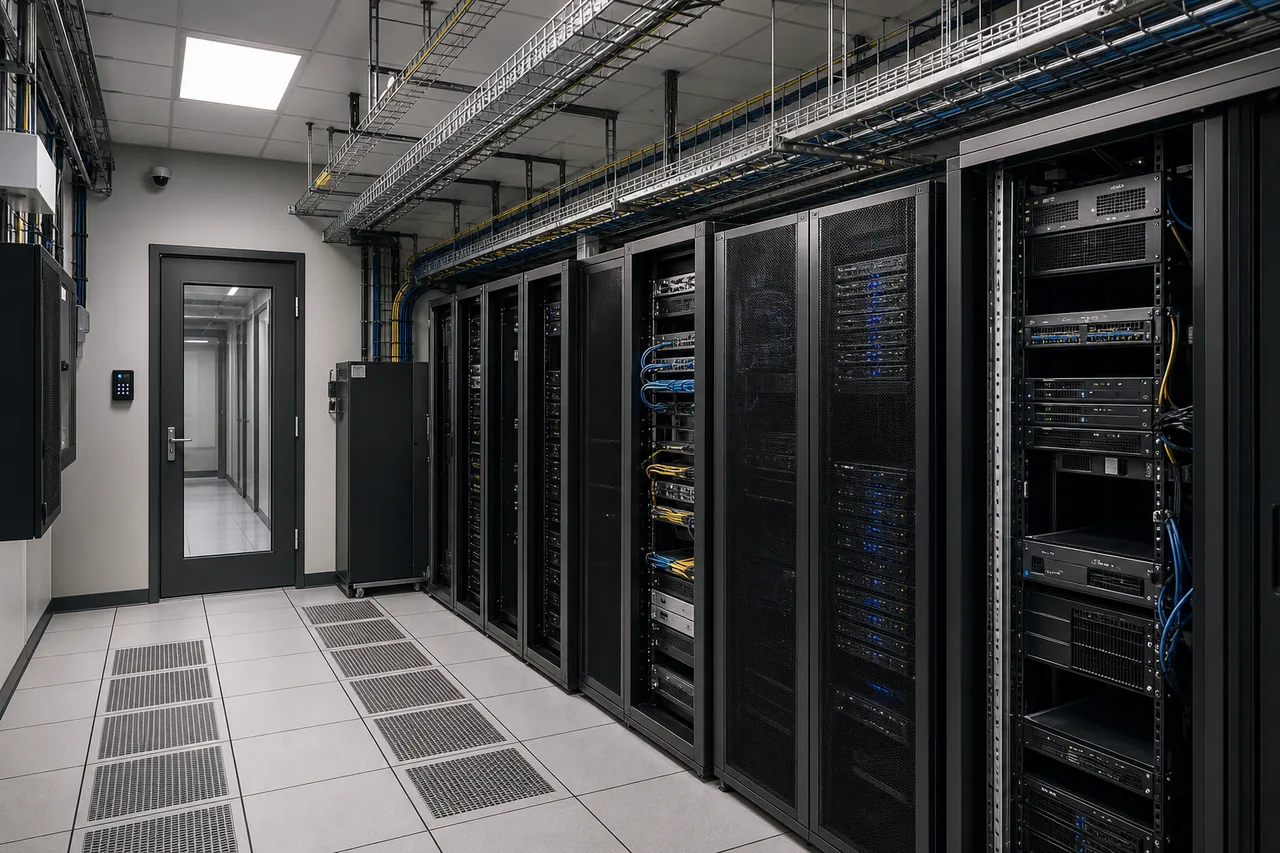
Server Room & Data Centre Review
Assessing relevant server racks, computing equipment, storage systems and supporting infrastructure within the agreed assessment scope.

IT Equipment & Asset Review
Documenting relevant technology assets, equipment specifications, locations and support considerations.

Infrastructure Findings & Recommendations
Organising assessment observations into understandable technical findings and proposed next steps.
Your IT Infrastructure Questions, Answered.
An IT infrastructure assessment is a structured review of an organisation's existing technology environment. It helps identify relevant assets, technical limitations, operational concerns and opportunities for improvement.
The scope may include networks, servers, storage, software platforms, equipment rooms and supporting infrastructure.
IT consulting provides professional guidance on technology decisions, requirements and improvement strategies.
An infrastructure assessment is a more focused review of an existing environment, usually producing findings and recommendations that can inform future decisions.
The two services are often combined.
Integrated Solutions Technology offers IT Consulting & Infrastructure Assessment as part of its IT Services & Technical Support division.
Engagements can be structured around existing infrastructure, current operational challenges and planned technology investments.
Pricing depends on the number of sites, equipment quantities, systems being reviewed, technical complexity, required access and expected deliverables.
A single-office infrastructure review will typically involve a different scope from a detailed assessment of multiple enterprise locations.
The agreed review may cover network switches and routers, wireless equipment, servers, storage, structured cabling, server rooms, hardware condition and relevant IT support arrangements.
The assessment boundaries should be established before work begins.
Yes. Reviewing your current environment can help clarify what additional equipment is necessary, which existing components may remain useful and whether there are compatibility or capacity concerns.
This can provide a better basis for preparing an equipment specification or procurement request.
An office network assessment may review the network architecture, relevant equipment, reported performance concerns, connectivity arrangements and available documentation.
Specialist network testing, traffic analysis or formal cable certification should be separately specified if required.
A server room assessment can consider the installed equipment, rack arrangements, cabling, available capacity and relevant supporting infrastructure.
Electrical safety, cooling engineering and other specialist evaluations must be handled by appropriately competent professionals where required.
An assessment may help identify likely causes, such as equipment capacity, configuration concerns or unsuitable connectivity arrangements.
However, confirming a specific fault may require additional diagnostic testing or access to systems outside the initial assessment scope.
Yes. Equipment models and available manufacturer support information can be reviewed to identify components that may require replacement or closer attention.
The assessment should consider the operational importance of each device, not simply its age.
Not automatically.
A general infrastructure assessment may highlight visible security-related concerns, but penetration testing, formal vulnerability scanning, security compliance audits and other specialised cybersecurity services require their own defined scope and authorisation.
Existing backup arrangements and relevant recovery documentation can be included in an assessment.
However, reviewing a backup configuration does not prove that data can be recovered. Recovery testing, data integrity verification and disaster recovery exercises must be specifically defined where required.
Multi-site assessments can be planned according to the number of locations, available technical information, local access conditions and required deliverables.
The proposed approach may combine remote information gathering with agreed onsite inspections where practical.
Many assessment activities can begin with documentation review, interviews and non-intrusive inspection.
Activities that require configuration changes, disruptive diagnostics or equipment disconnection should be separately authorised and scheduled.
The access required depends on the assessment objectives.
Relevant diagrams, equipment inventories, configuration summaries, system reports and authorised read-only access may be useful. Administrative credentials should be handled securely and only when necessary for approved work.
Agreed deliverables may include an infrastructure summary, relevant asset records, identified concerns, improvement recommendations and a prioritised implementation roadmap.
The depth of documentation should be confirmed before the engagement begins.
Yes. The assessment can compare the condition, suitability, capacity and supportability of existing equipment against current requirements.
Recommendations may include retaining suitable assets, upgrading selected components or planning replacement where justified.
Yes. IT planning for an expanded office may consider additional users, workstations, network points, wireless coverage, server capacity and other technology requirements.
The assessment can provide inputs for a separate design and implementation project.
The timeframe depends on assessment depth, number of locations, complexity of the environment, documentation availability and access to relevant personnel and systems.
A defined scope helps establish a practical schedule.
Yes. The assessment can be structured around information and access provided by the organisation's authorised IT personnel.
This approach can help validate the current environment, clarify improvement priorities and support internal planning.
An infrastructure assessment generally focuses on the current technical environment and improvement opportunities.
An IT audit may evaluate whether specified controls, processes or practices meet defined criteria, often within a formal governance or assurance framework.
A general infrastructure assessment should not be presented as a certified compliance audit.
Integrated Solutions Technology also offers network design, server and storage services, infrastructure upgrades, hardware procurement and technical project implementation.
The recommended work can be considered as a separate implementation project following review and approval of the assessment findings.
Useful information includes your business location, number of users and sites, major applications, known technology problems, existing infrastructure documentation and planned business or IT changes.
You do not need a complete equipment inventory to begin the initial consultation.
Contact Integrated Solutions Technology with a description of your current environment, business concerns and what you want to achieve.
We can discuss the requirements, define the appropriate assessment boundaries and identify the next steps towards a consulting proposal.
Know Where Your Infrastructure Stands. Plan Where It Needs to Go.
Whether you're preparing for business growth, investigating persistent IT problems or considering a major technology investment, Integrated Solutions Technology can help you understand your current environment and develop a clearer path forward.