
When Your Hardware Fails, Your Business Shouldn't Have to Stop.
IT hardware maintenance and repair in Nigeria for servers and business computers, including diagnostics, component replacement and testing.
Find the Cause. Fix What Makes Sense. Keep Your Infrastructure Maintainable.
A structured maintenance approach helps organisations identify problems earlier, reduce unnecessary replacement decisions and plan repairs with greater control.
More Accurate Fault Diagnosis
Investigate equipment symptoms and relevant diagnostic information before recommending a repair or component replacement.
Reduced Avoidable Disruption
Address identified hardware problems through planned corrective work and appropriate maintenance arrangements.
Better Equipment Lifecycle Decisions
Understand whether equipment should be repaired, upgraded or replaced based on its condition, supportability and business requirements.
Clearer Maintenance Records
Document agreed findings, replaced components and completed checks to support future troubleshooting and equipment management.
Hardware Problems Deserve More Than Guesswork.
We help businesses assess faults, plan appropriate interventions and verify the results of agreed maintenance work.
Understand the Fault Before Choosing a Repair.
A hardware failure may involve memory, storage, power supplies, cooling components, network interfaces or other system hardware.
We review equipment symptoms, available diagnostic indicators, event logs and relevant physical conditions.
Where appropriate, manufacturer-supported diagnostic tools and checks help identify suspected component faults and determine the next technical steps.
The Hands-On Work Behind Dependable IT Infrastructure.
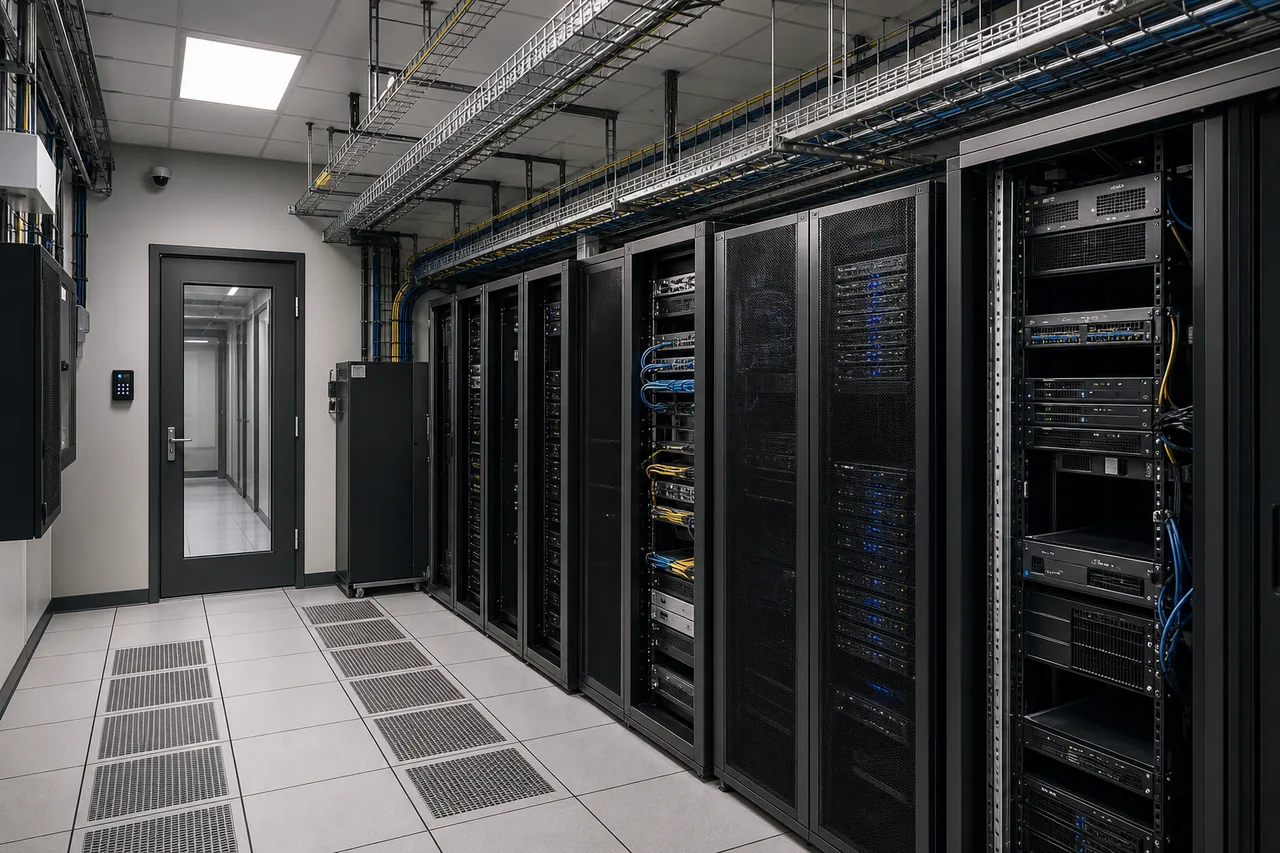
Explore the diagnostics, component replacement and maintenance activities involved in supporting business hardware.
Images illustrate the equipment and work involved.
Enterprise Server Diagnostics
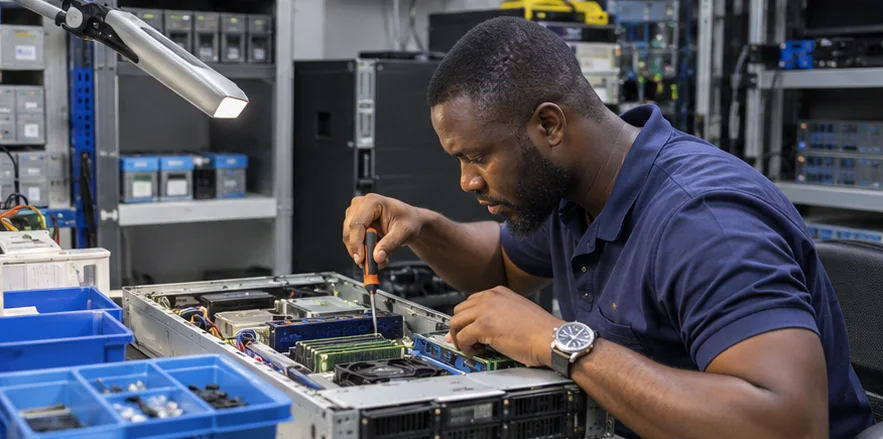
Reviewing server health indicators, hardware error information and appropriate diagnostic results to investigate reported faults.
IT Hardware Component Replacement
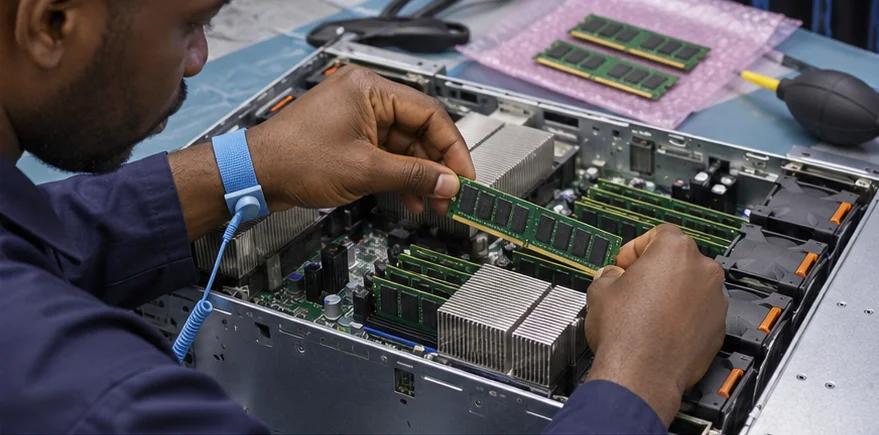
Installing suitable replacement drives, memory, cooling components and other supported hardware parts according to equipment requirements.
Preventive Equipment Inspection
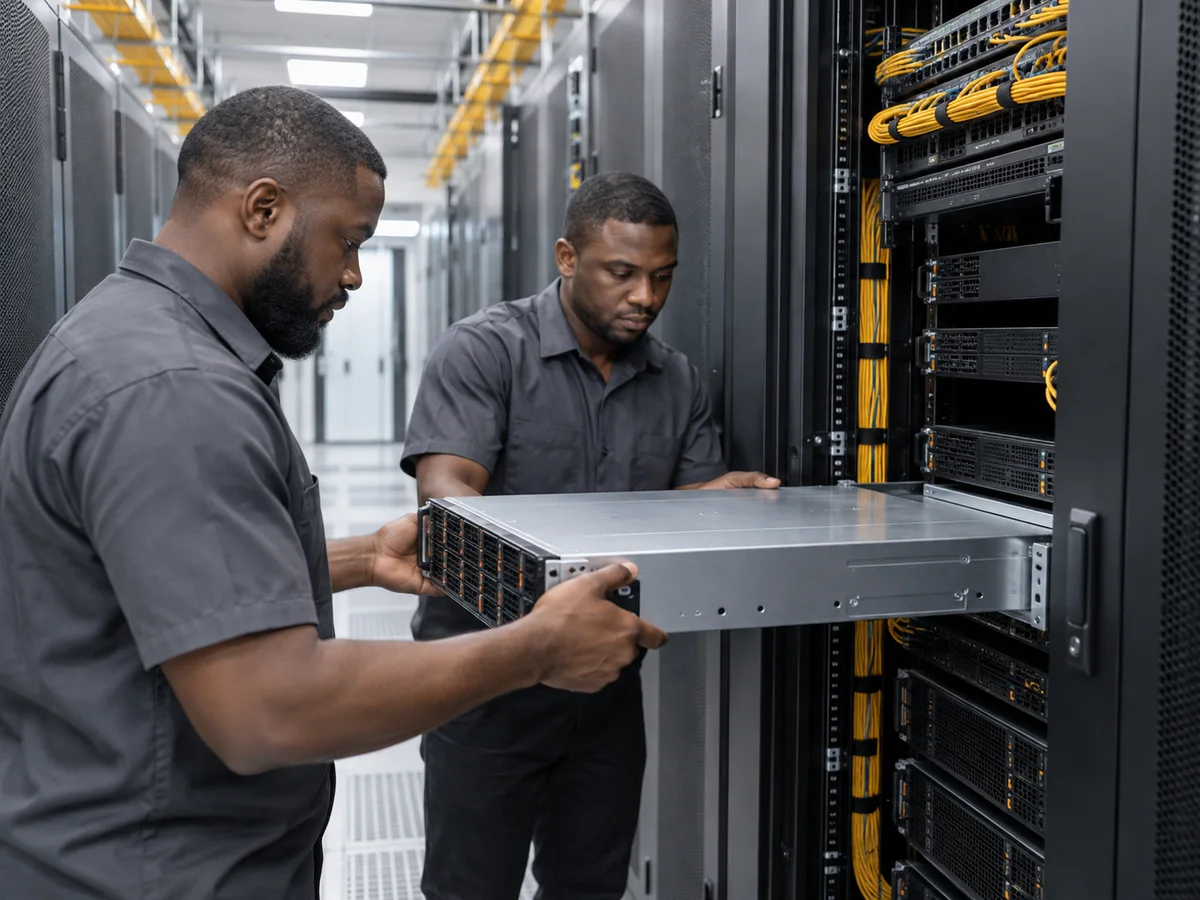
Reviewing relevant hardware conditions, accessible connections, cooling arrangements and manufacturer-reported equipment health.
Repair Verification & Documentation
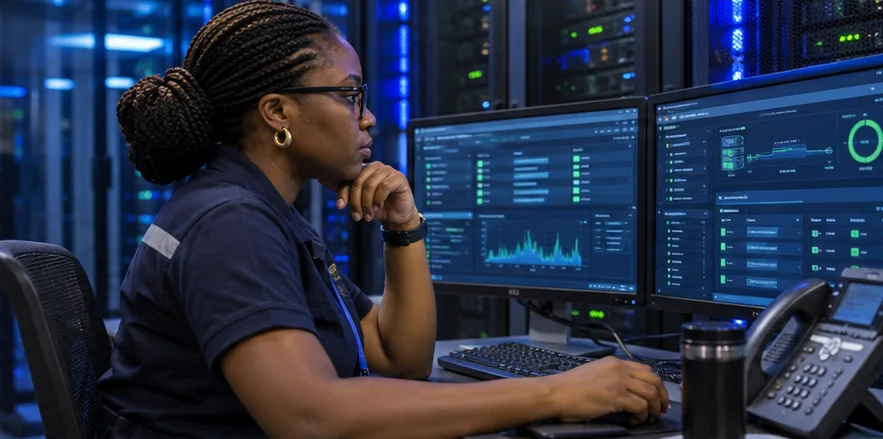
Checking agreed equipment functions and recording maintenance findings, completed work and outstanding issues.
Your Business Hardware Maintenance Questions, Answered.
IT hardware maintenance and repair involves inspecting, diagnosing, servicing and correcting faults in physical technology equipment. It may include hardware diagnostics, component replacement, preventive inspections and verification of completed repair work.
Integrated Solutions Technology provides hardware maintenance and repair as part of its Server, Storage & Hardware services. Support for particular equipment types and models is determined by the reported fault, available technical capability and agreed project scope.
Relevant equipment may include enterprise servers, business desktop computers, workstations, storage hardware and selected network devices. Repair options depend on the product, condition, available replacement components and manufacturer support.
Enterprise servers can be assessed for hardware-related faults such as memory errors, drive problems, power issues and cooling failures. The appropriate repair depends on the specific server model, diagnostic findings and supported replacement procedures.
A server that fails to power on may have a power-supply problem, internal component fault or another hardware issue. Diagnosis should begin with safe checks and appropriate manufacturer-supported procedures before any part is replaced.
A compatible drive may be replaced where the equipment supports the procedure and the correct component is available. However, drive replacement can affect RAID arrays and stored data. The storage configuration and recovery requirements must be reviewed before work begins.
Memory errors can be investigated using hardware event information and appropriate diagnostics. Depending on the findings, corrective work may involve configuration review, a supported firmware procedure or replacement of an affected memory module.
Overheating can have several causes, including obstructed airflow, failed fans, unsuitable environmental conditions and component problems. The cause should be identified before maintenance or replacement work is recommended.
Preventive hardware maintenance involves planned checks intended to identify equipment concerns before they lead to more serious failures. Activities may include reviewing hardware alerts, inspecting accessible components, assessing cooling arrangements and checking physical connections.
The appropriate maintenance schedule depends on equipment importance, operating environment, workload, manufacturer recommendations and support arrangements. Critical infrastructure may need more frequent health reviews than equipment used for less demanding tasks.
Some inspections can be completed without shutting down equipment. Other activities, including certain diagnostics and component replacements, require planned downtime. The expected operational impact should be assessed before work begins.
Not automatically. Repairing a hardware component is different from recovering missing or damaged data. Data-recovery requirements need separate assessment, and successful recovery cannot be guaranteed.
Some repairs may not directly involve stored data, while others can introduce data-loss risk. Before carrying out relevant work, the existing storage configuration, backup status and recovery responsibilities should be reviewed.
Compatible replacement components can be considered as part of an agreed maintenance or repair project. Availability, product condition, warranty terms and compatibility should be confirmed before procurement.
Out-of-warranty equipment can be assessed for possible repair. However, replacement components may be unavailable or uneconomical for certain older products. The repair decision should consider equipment condition and remaining service life.
The decision depends on repair cost, equipment age, manufacturer support, reliability, spare-part availability and current business requirements. Repair may be suitable for a serviceable component fault, while replacement may be more practical when multiple limitations exist.
Pricing depends on the equipment type, reported fault, diagnostic work, replacement components, site access and repair complexity. A technical assessment helps establish the likely work and an appropriate quotation.
The timeframe depends on diagnosis, component availability, repair complexity, authorised maintenance windows and testing requirements. An accurate completion estimate is normally possible only after the fault and repair scope are understood.
Onsite maintenance requirements can be reviewed based on the equipment, site location, required work and available technical resources. Some repairs may require specialist facilities or manufacturer-authorised service arrangements.
Existing third-party equipment can be considered for assessment, subject to its condition, technical access, warranty restrictions and the availability of suitable support procedures.
Equipment from these manufacturers may be assessed, but support must be confirmed for the exact model, generation and fault. Manufacturer-authorised service status should never be assumed unless specifically verified.
Response arrangements depend on the support agreement, available resources and location. Emergency attendance, guaranteed response times and round-the-clock support are not automatically included in a standard repair request.
Agreed documentation may include the reported symptoms, diagnostic findings, replaced parts, corrective actions, verification checks and outstanding recommendations.
Useful information includes your location, equipment manufacturer and model, serial or asset reference, fault symptoms, error messages, current operating status and any restrictions on downtime.
Contact Integrated Solutions Technology with details of the affected equipment and the problem you are experiencing. We can review the information and discuss the appropriate assessment, maintenance or repair requirements.
Faulty Equipment Needs the Right Attention. Not More Guesswork.
Whether you're investigating a failing server, replacing damaged components or planning preventive maintenance for business hardware, Integrated Solutions Technology can help you assess the problem and determine suitable corrective action.