
Your Remote IT Team. Our Hands on the Ground.
Data centre Smart Hands in Nigeria for remote teams, with onsite equipment inspections, cable tracing, hardware assistance and task reporting.
Your Engineers Can't Be Everywhere. Your Infrastructure Still Needs Attention.
Smart hands support provides a practical way to connect remote technical expertise with authorised onsite execution.
Physical Assistance Without Every Site Visit
Arrange defined equipment checks and hands-on activities without requiring your remote engineers to travel for each task.
Execution Under Your Technical Instructions
Have approved physical tasks carried out according to your team's runbooks, port schedules and instructions.
Better Visibility Into Remote Equipment
Obtain agreed observations, device identifiers, status readings and photographs where permitted.
Clearer Task Completion Records
Receive relevant information about the actions performed, verification steps and any issues requiring escalation.
The Physical Tasks Your Remote Team Needs Done.
For higher-risk changes, appropriate change approval, maintenance windows and recovery arrangements should be established before execution.
Get a Clearer View of Equipment You Can't Physically See.
Not every infrastructure concern requires an immediate repair.
Sometimes your remote team needs confirmation of a device indicator, cable connection, equipment label or the physical condition of a rack.
We carry out authorised visual checks and report relevant observations, equipment identifiers and photographs where site policies permit.
Examples of supported requests:
Identify equipment using approved rack and device references.
Observe relevant status lights and visible fault indications.
Verify labels, physical connections and installed component details.
Provide permitted photographs for remote technical review.
Technical Support Where Your Equipment Is Located.
Explore the practical activities involved in carrying out authorised onsite tasks for remote IT teams.
Images illustrate the equipment and work involved.
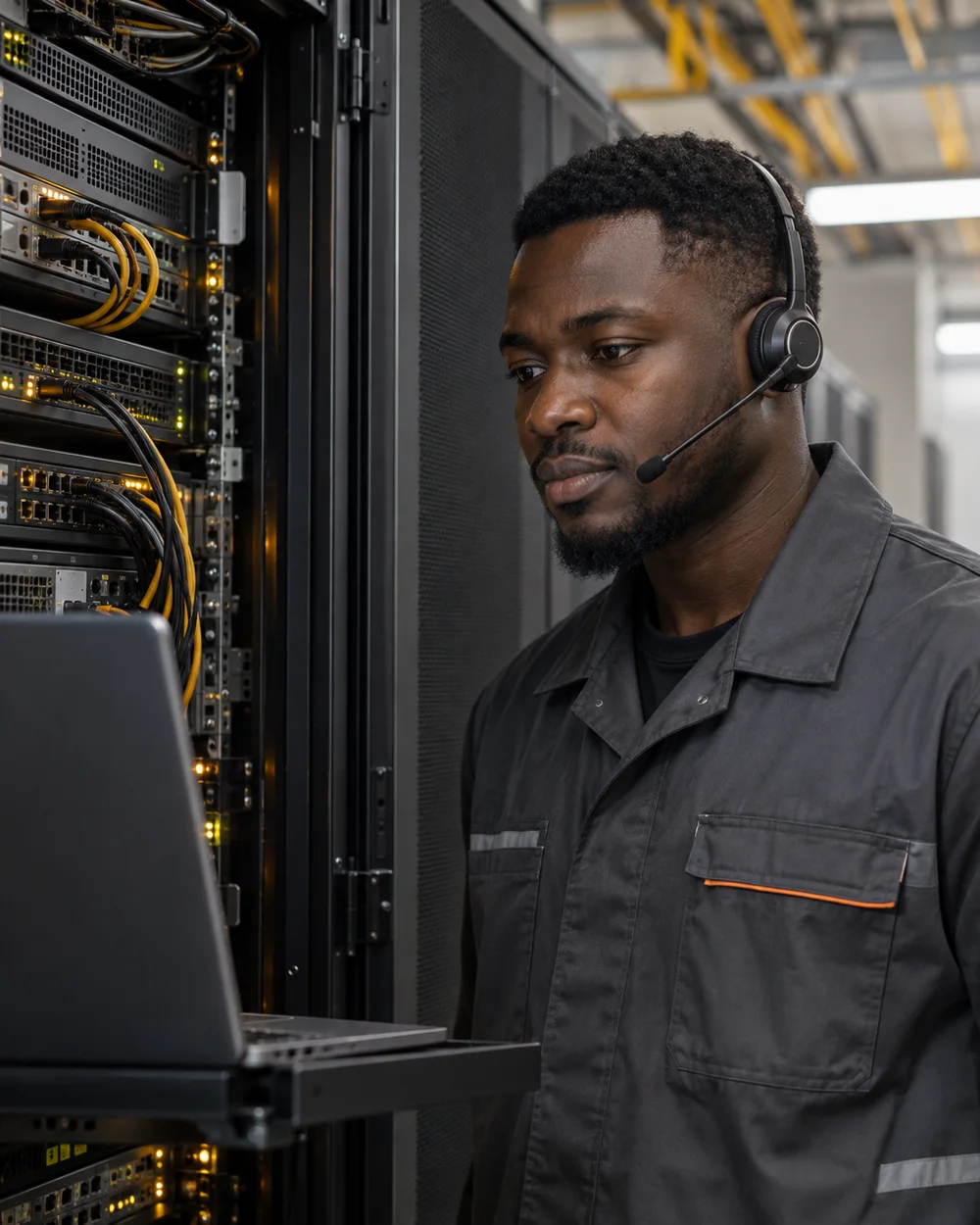
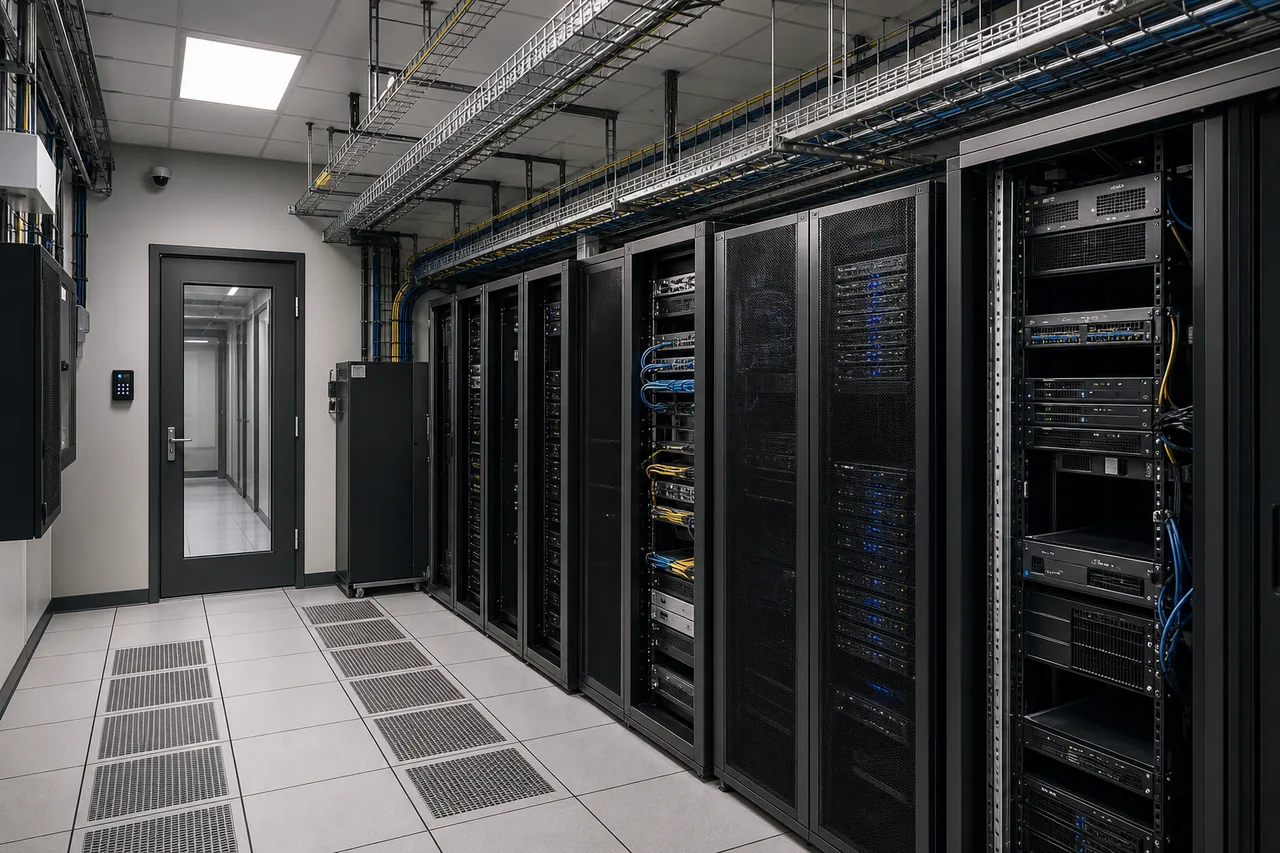
Data Centre Rack Inspection
A technician checking relevant devices, rack positions and equipment indicators under the direction of an authorised infrastructure team.
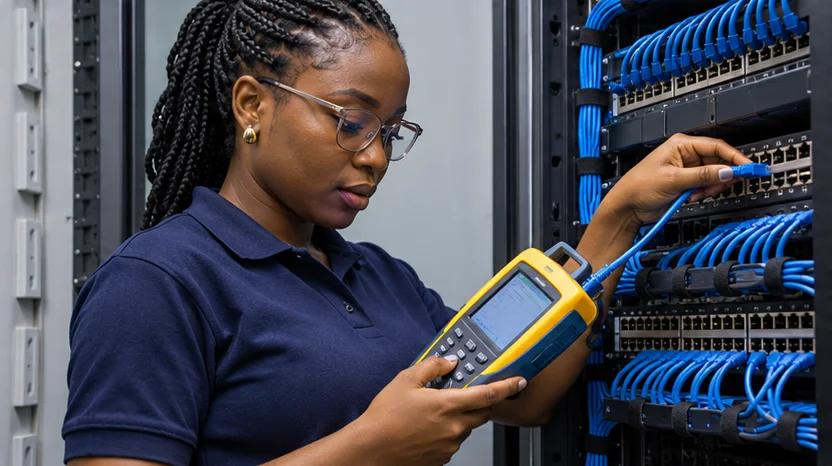
Network Cable Tracing & Patching
Identifying specified cable connections and carrying out approved patching changes using the provided port schedule.
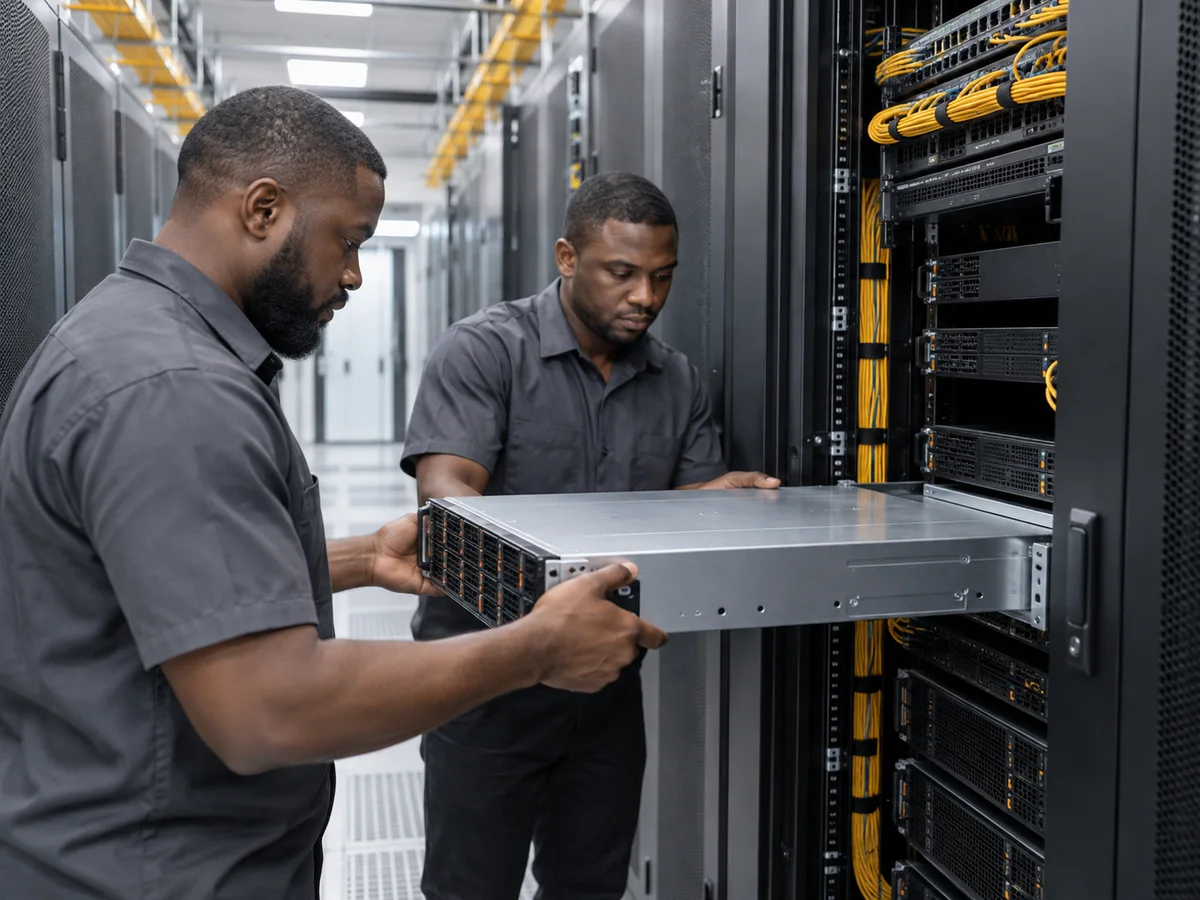
Server & Hardware Assistance
Supporting compatible equipment installation, component replacement and physical inspection according to approved task instructions.
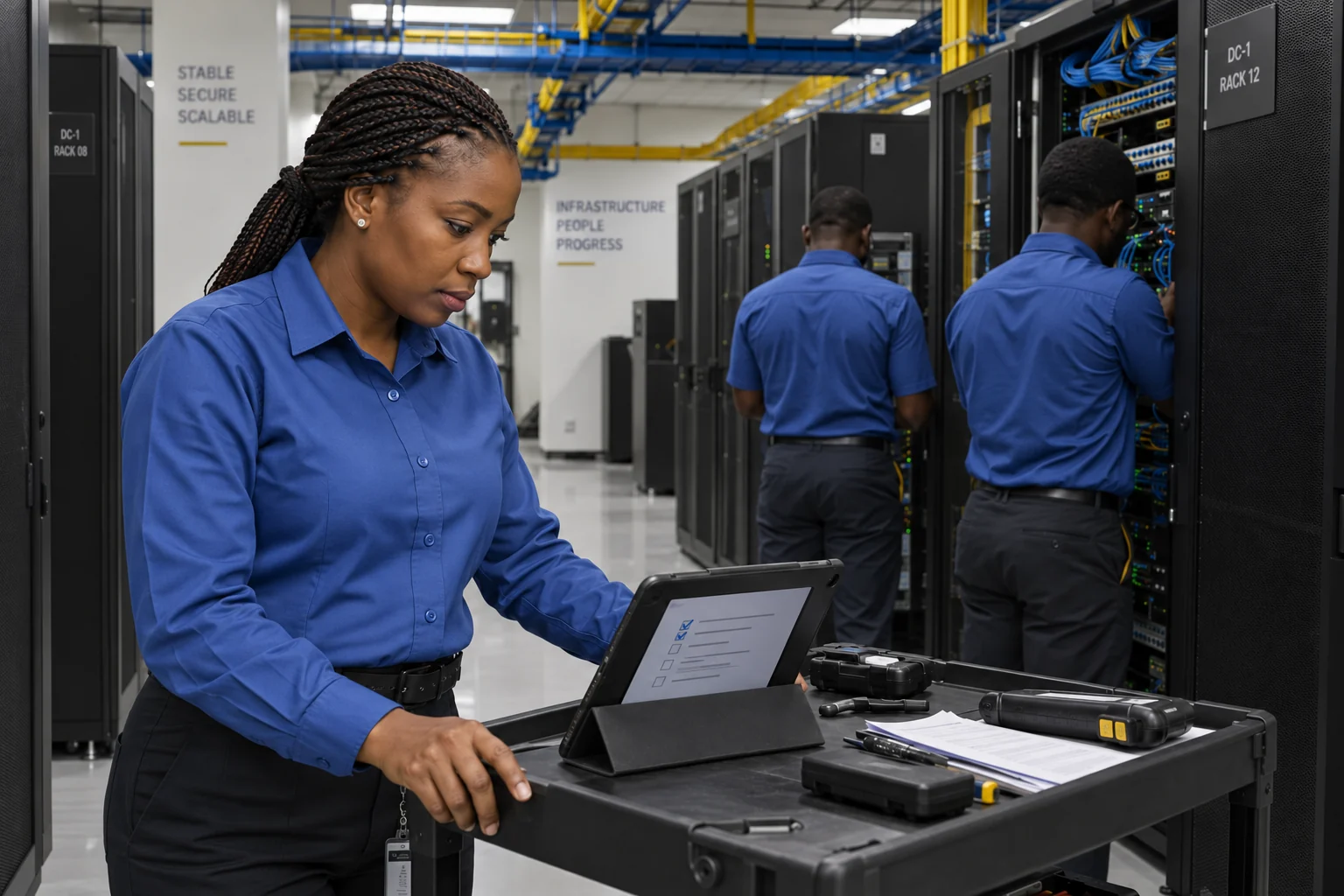
Remote Engineer Coordination
An onsite technician communicating findings to remote engineers and recording the agreed work for technical handover.
Your Smart Hands Support Questions, Answered.
Smart hands services provide physical technical assistance at a data centre, server room or IT facility on behalf of an organisation whose engineers are not onsite.
Tasks may involve equipment inspection, cabling, hardware handling, guided troubleshooting and documented execution of approved instructions.
The terms are sometimes used interchangeably.
In many service models, remote hands refers to straightforward physical tasks such as checking indicators or performing an authorised cable reseat. Smart hands may involve more technically demanding work, including hardware installation, component replacement and guided troubleshooting.
The actual scope and skill level should be confirmed with the provider.
Integrated Solutions Technology offers Smart Hands & Remote-Team Support within its IT Services & Technical Support division.
Requests can be reviewed according to the site location, access requirements, equipment involved, technical instructions and available resources.
Typical customers include enterprise IT departments, data centre customers, managed service providers, network operators and businesses with centrally managed infrastructure.
It can also be useful for international IT teams that need authorised physical assistance at equipment locations in Nigeria.
Pricing depends on the task, required technician skills, site location, access conditions, work duration, equipment handling requirements and any specialised tools or materials.
Charges may be agreed for a defined task, scheduled visit or another documented service arrangement.
Yes. A smart hands engagement can be structured around instructions from an authorised remote technical contact.
The task should identify the equipment, permitted actions, expected outcome, communication method and escalation process before work begins.
Data centre smart hands requests can be considered where the facility permits third-party technician access and the work is technically suitable.
Site-specific authorisation, induction, access approval and operating procedures must be completed before attendance.
Access to a data centre cannot be assumed.
Each facility has its own access controls, security requirements and third-party working procedures. Entry and work authorisation must be confirmed for the specific site.
Yes, visual device checks are common smart hands tasks.
A technician can record the relevant indicator states and report them to the authorised remote team. Interpretation and further action should follow the agreed responsibilities.
Approved cable tracing and port identification can be included in a defined task.
The request should specify the rack, devices, ports and any required labelling or documentation. Existing active connections must not be changed without appropriate authorisation.
An authorised patch change can be considered where the source port, destination port, cable requirements and change approval are clearly defined.
The potential impact on connected systems should be assessed before work starts.
Suitable rack-and-stack assistance may be provided for compatible equipment where the rack, mounting hardware, load requirements and installation procedure have been confirmed.
Heavy equipment, electrical work and other specialist tasks may require additional personnel or appropriately qualified professionals.
Component replacement may be possible where the hardware supports the procedure and compatible parts are available.
The technician must follow the exact manufacturer requirements and approved instructions. Hot-swappable and non-hot-swappable components require different handling procedures.
A power cycle may be performed only when the exact device and action have been authorised.
Because restarting infrastructure can interrupt services or affect data, the instruction should include relevant change approval, timing and verification requirements.
Compatible console access equipment may be connected as part of an authorised task.
The remote engineer remains responsible for activities outside the agreed physical support scope, and access must follow the organisation's security policies.
Smart hands support does not automatically include independent network or server administration.
Configuration work requires the necessary technical expertise, permissions and an explicitly approved scope. Remote-guided physical assistance and independent configuration services should be quoted separately where appropriate.
Approved fibre patching, connection identification and inspection may be considered where the technician has the required skills and tools.
Fibre cleaning, testing, termination and repair have specific technical and safety requirements and should be performed only by competent personnel.
Yes. Smart hands tasks can support a wider deployment by providing suitable onsite mounting, cable connection, equipment identification and physical verification.
Project design, configuration, acceptance criteria and coordination responsibilities must remain clearly assigned.
Defined physical changes may be supported within an approved task or larger project.
The work should identify the equipment, intended location, dependencies, required materials, authorisation and expected verification.
Equipment receiving, inventory checks, packaging or returns assistance may be discussed if permitted by the facility and included in the service scope.
Storage, transport, custody and liability arrangements should be agreed in advance.
Multi-location requests can be reviewed according to the sites, required tasks, access permissions, travel needs and available technical resources.
Coverage and scheduling should be confirmed for each location.
Continuous coverage and emergency attendance are not automatically included.
Support hours, technician availability, response targets and out-of-hours arrangements must be specifically confirmed in the service agreement.
Provide the facility and rack location, equipment identifiers, exact action required, authorised technical contact, access arrangements and relevant change approval.
Where available, include a runbook, port schedule, rack elevation, photographs or expected verification results.
Not necessarily. Many physical tasks do not require administrative credentials.
Where system access is essential, credentials should be handled through approved secure procedures, with access limited to the authorised activity.
Photographs may be provided where they are relevant to the task and permitted by the facility and customer security policies.
The request should specify what evidence is required and how it should be transmitted and retained.
The technician should stop the affected activity, report the discrepancy and obtain clarification before proceeding.
Unapproved substitutions, port changes, power actions or configuration changes should not be made simply to complete the task.
Relevant safeguards may include equipment identification, task authorisation, approved maintenance windows, physical safety procedures, communication with the remote engineer and confirmation before disruptive actions.
The safeguards depend on the specific task and its potential business impact.
An agreed completion report may include work performed, equipment identifiers, observations, approved changes, verification results and outstanding issues.
Photo evidence and detailed asset records should be specified where required.
Smart hands primarily provides local physical assistance. It is not a complete substitute for the organisation's technical ownership, system administration, architecture and change management.
It works best when the responsible team and onsite technician have clearly defined roles.
General onsite IT support may involve the visiting technician independently investigating a problem.
Smart hands support is typically more closely directed by a remote team and focused on specific physical actions, observations and handover requirements.
Scheduling depends on the location, access approval, required skills, technician availability and task urgency.
A response or attendance time should be confirmed for the particular request rather than assumed.
Contact Integrated Solutions Technology with the facility location, equipment details, required physical task and remote technical contact.
We can review the instructions, confirm the relevant prerequisites and discuss an appropriate service scope and quotation.
Your Engineers Lead. We Help Get the Onsite Work Done.
Whether your infrastructure team is across the city or across the world, physical equipment tasks still need authorised people at the site.
Integrated Solutions Technology helps organisations bridge that gap through clearly defined smart hands and remote-team support.