

Every Reliable Network Starts With the Right Connections.
Structured LAN cabling in Nigeria with Cat6 and Cat6A Ethernet, network outlets, patch panels, cable testing and labelling for businesses.
The Cables You Don't See Make the Connections You Depend On.
A structured cabling system brings order to the physical connections that support your business.
Consistent Wired Connectivity
Create suitable physical network connections for workstations, printers, IP phones and other compatible business devices.
Organised Cable Infrastructure
Keep cable routes, outlets and patch panels arranged for easier access, identification and maintenance.
Easier Troubleshooting
Clearly identified connections make it easier to trace network points and investigate cabling-related faults.
Ready for Future Connections
Plan network outlet locations and suitable cable capacity around changing workspaces, devices and business requirements.
Every Cable Run Planned. Every Connection Given a Purpose.
We help businesses establish a physical network infrastructure that is practical to use and easier to maintain.

Know Where Every Connection Needs to Go.
The right installation starts by understanding your workspace, connected devices and network point requirements.
We review floor layouts, workstation locations, network cabinet positions, available pathways and potential installation constraints.
This helps determine suitable outlet locations, cable routes, estimated connection quantities and the cabling specifications needed for the project.
Neatly Installed. Clearly Identified. Ready to Connect.
Explore the physical infrastructure behind organised workplace connectivity.
Images illustrate the equipment and work involved.

Office Ethernet Cabling Installation
Copper network cables routed to suitable workstation positions, meeting rooms and other approved device locations.
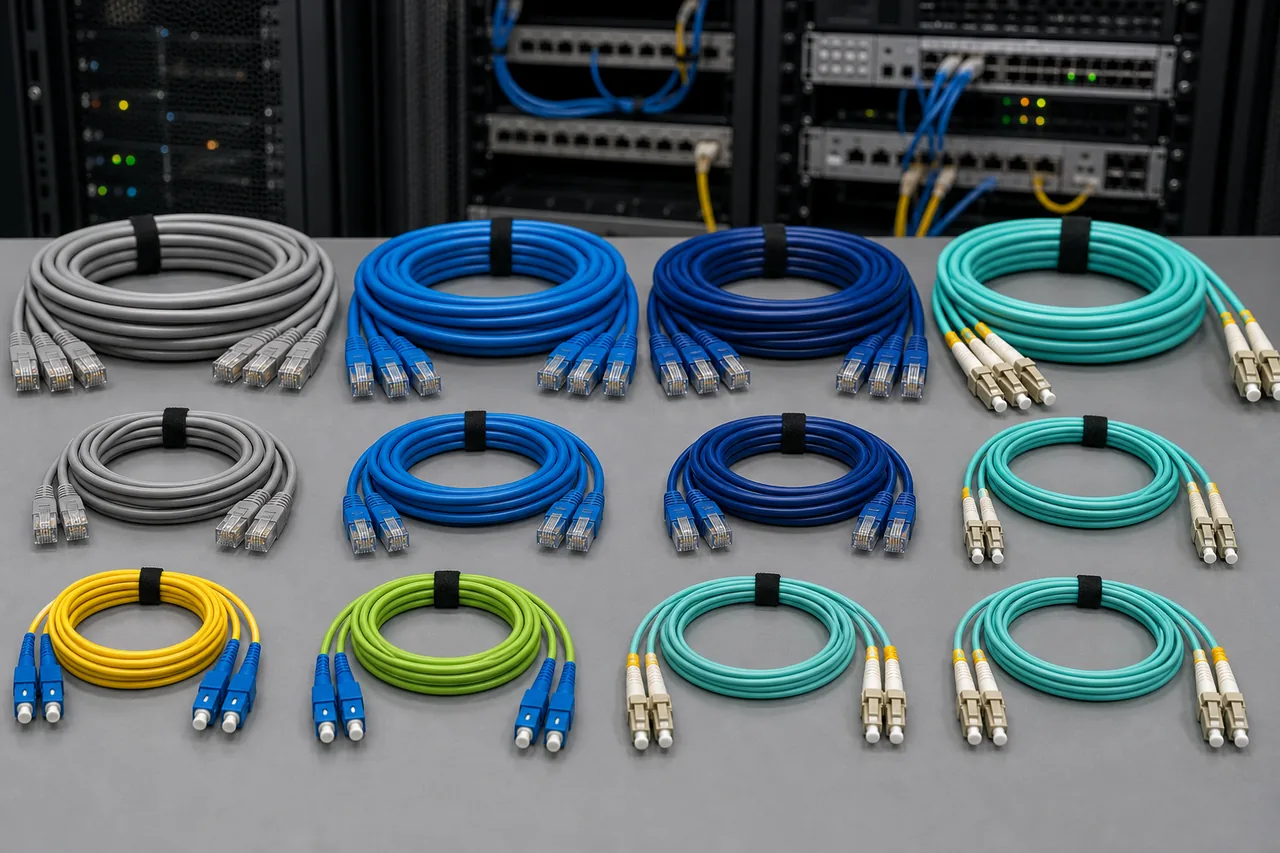
Network Data Outlets & Faceplates
Compatible RJ45 data outlets installed at designated points to support wired connectivity for business equipment.
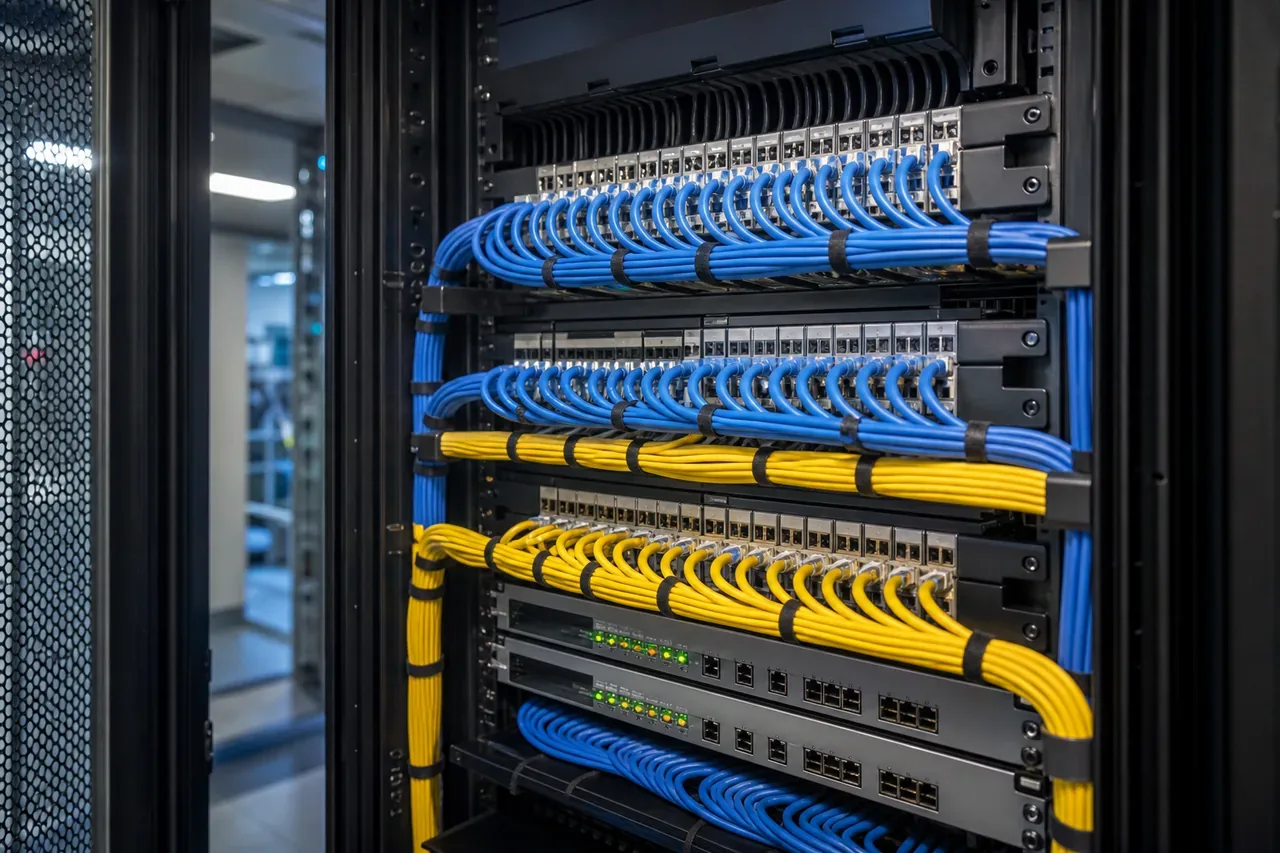
Patch Panels & Network Cabinets
Organised network cable termination and patch panel arrangements within suitable communication cabinets.
Cable Testing & Identification
Checking installed network points and identifying connections to support maintenance, troubleshooting and future changes.
Your Structured Cabling Questions, Answered.
Structured LAN cabling is an organised system of network cables, outlets, patch panels and supporting components used to connect devices within a building or facility. It provides the physical infrastructure for wired local area network connections.
The cost depends on the number of network points, cable category, installation distances, building layout, cable pathways, accessories, testing requirements and site conditions. A site survey helps determine the required materials and installation scope.
Integrated Solutions Technology provides structured LAN cabling services, including suitable Cat6 and Cat6A installations according to project requirements. The appropriate category is selected based on network performance needs, equipment compatibility and installation conditions.
Cat6 and Cat6A are different categories of twisted-pair copper network cabling. Cat6A is designed to support 10 Gigabit Ethernet over a standard 100-metre channel when correctly installed with compatible components. Cat6 can support 10 Gigabit Ethernet over shorter distances under suitable conditions. The best choice depends on the network design and expected applications.
Cat6 may be suitable for many office networks using common Ethernet applications. However, businesses planning higher-speed connections, demanding equipment or longer-term infrastructure requirements may benefit from Cat6A. The decision should reflect actual network needs rather than assuming one category is best for every installation.
The number depends on workstations, printers, IP phones, wireless access points, cameras and other wired devices. Meeting rooms, shared spaces and future expansion should also be considered when planning outlet locations.
For conventional structured copper Ethernet cabling, a typical maximum channel length is 100 metres, including patch cords, with a permanent horizontal link commonly limited to 90 metres. The applicable limits and supported speed depend on the cable category and design.
Yes. Cabling can be installed in occupied offices, subject to available routes, building conditions, access restrictions and agreed work schedules. Some installations may require furniture movement, ceiling access or planned interruption to particular areas.
Yes. Suitable Ethernet cabling can connect wireless access points, IP cameras and other network devices. Where Power over Ethernet is required, cable selection, installation conditions, equipment compatibility and power requirements must be considered.
Cables should be installed using pathways appropriate to the building and environmental conditions. These may include conduits, trunking, trays or other approved cable management systems. The choice depends on the installation design and applicable safety requirements.
A patch panel provides an organised termination point for multiple network cables within a cabinet or rack. It helps network teams manage connections between fixed building cabling and network equipment.
An individual network cable connects specific devices, while structured cabling provides a planned system of cable routes, outlets, patch panels, identification and supporting infrastructure. This makes it more practical to manage connections across offices and larger facilities.
Testing may include checking wire mapping, continuity, cable identification and other relevant connection properties. Qualification or formal certification may be necessary when a project requires evidence of specific network performance or standards compliance.
Formal certification testing can be discussed as a defined project requirement. It requires suitable calibrated test instruments and the applicable testing procedures. The availability of certification and the required reports should be confirmed before a project is agreed.
Yes, existing cabling can be assessed to determine whether replacement is appropriate. The work may include removing or retiring unsuitable cables, installing new cable runs, terminating network points and updating relevant identification records.
Additional floors may be connected through suitable structured cabling arrangements. Connections between separate buildings often require a different approach, such as fibre optic infrastructure, depending on distance, electrical conditions and site requirements.
The timeframe depends on the number of outlets, cable routes, access conditions, building readiness and testing requirements. A site survey and agreed scope help establish an appropriate installation schedule.
Cable identification and connection records can be included in structured cabling projects. Detailed port mapping and rack remediation are also available as related network infrastructure services.
Useful details include your facility location, floor plan, estimated number of network points, preferred cable category, network cabinet location, installation conditions and any testing or documentation requirements.
Contact Integrated Solutions Technology with your office or facility location, the areas requiring network connections and your expected number of devices. We can discuss the requirements and determine the next steps towards a cabling survey and installation proposal.
Better Connections Begin Behind the Walls.
Whether you're fitting out a new office, expanding your network points or replacing disorganised cabling, Integrated Solutions Technology can help you install structured LAN infrastructure that supports your business today and its changing needs.