
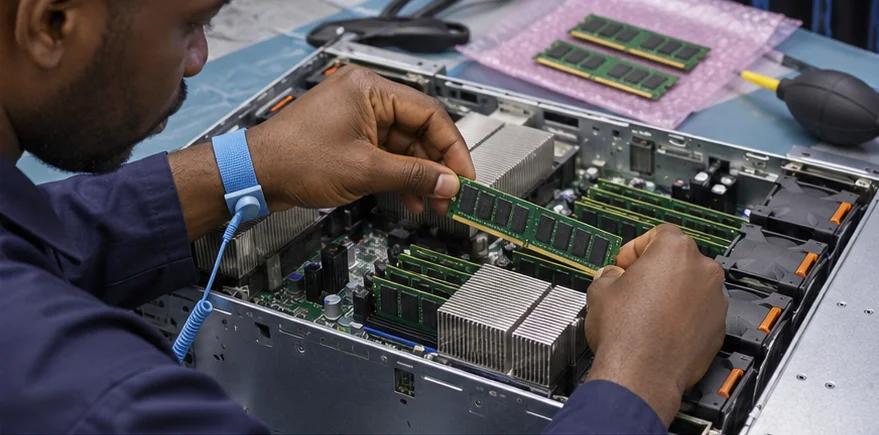
Your Business Has Evolved. Your Infrastructure Should Too.
IT infrastructure upgrades in Nigeria for business networks, servers and storage, from assessment and equipment selection to testing and handover.
Better Infrastructure Starts With Smarter Improvements.
A structured upgrade approach helps your organisation understand the options before committing to major changes.
Improve Infrastructure Capacity
Address equipment limitations that may affect current workloads, network traffic, connected users or storage requirements.
Make Better Use of Existing Assets
Identify equipment that remains suitable and focus investment on components that genuinely require improvement.
Reduce Unplanned Change Risks
Review compatibility, dependencies, maintenance windows and recovery arrangements before implementing significant upgrades.
Prepare for Business Growth
Develop infrastructure that better supports planned expansion, additional locations and changing operational demands.
Modernisation That Begins With a Plan.
We plan network, server and storage upgrades together so each change supports the wider IT environment.

Know What Needs to Change Before Making the Change.
Every upgrade should begin with a clear understanding of the existing environment and the result your organisation wants to achieve.
We review the relevant equipment, current limitations, technical requirements and available documentation.
This helps identify appropriate upgrade options, compatibility questions, operational dependencies and a proposed implementation sequence.
Practical Improvements to the Systems Behind Your Business.
Explore the equipment and technical work involved in updating an existing IT environment.
Images illustrate the equipment and work involved.
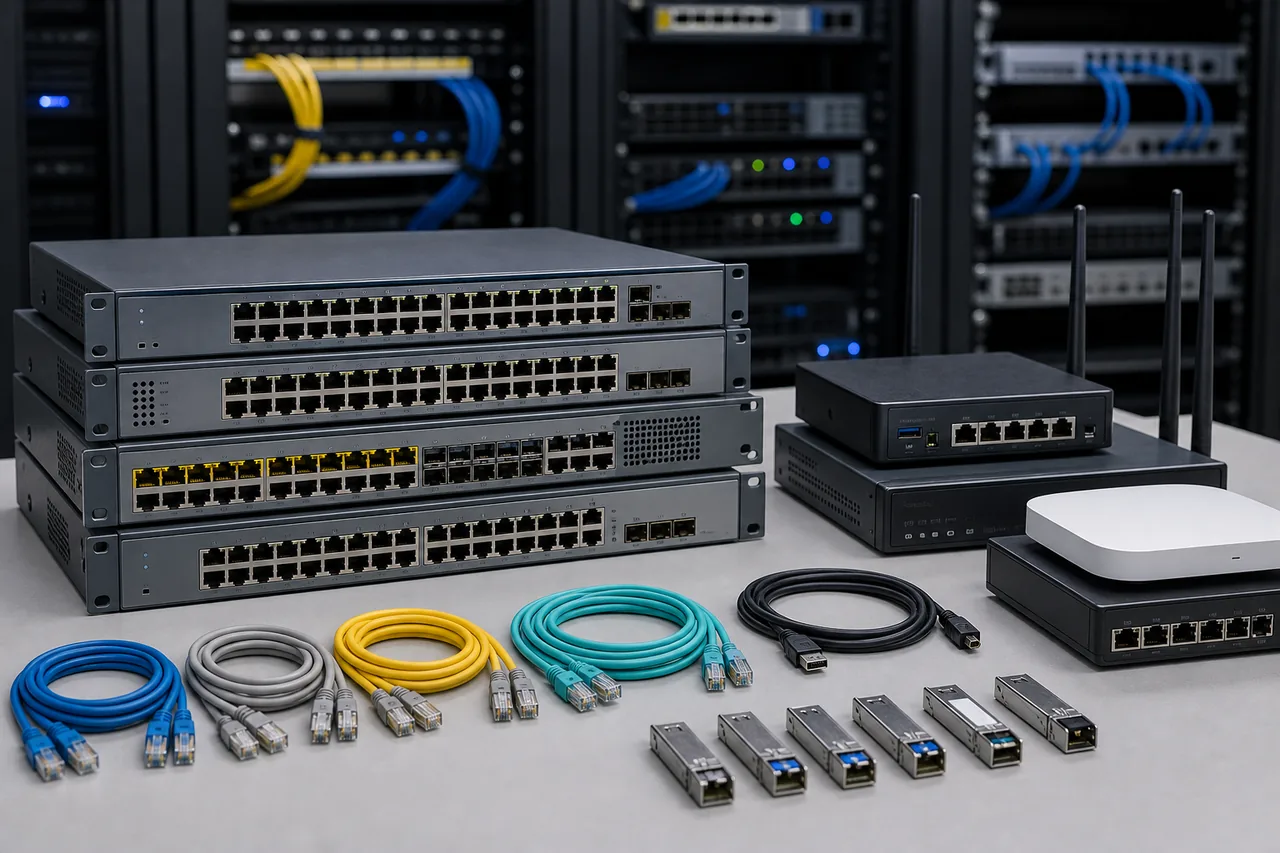
Enterprise Network Equipment Upgrades
Replacing suitable switches, routers and supporting network devices to address defined connectivity and capacity requirements.
Server Hardware Modernisation
Upgrading compatible server components or deploying replacement equipment according to an approved technical plan.
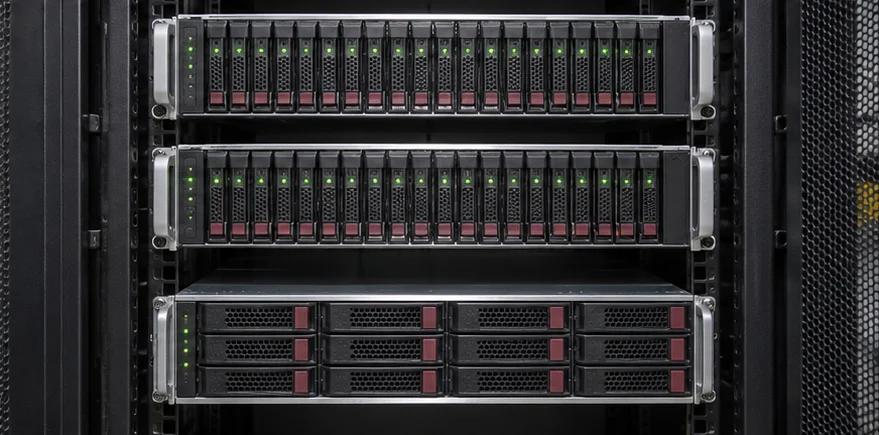
Storage Capacity Expansion
Adding or replacing appropriate storage resources to support changing data and workload requirements.

Infrastructure Installation & Verification
Implementing agreed equipment changes, checking affected services and documenting the updated environment.
Your Infrastructure Upgrade Questions, Answered.
An IT infrastructure upgrade involves improving or replacing existing technology components to meet defined business or technical requirements.
This may include network equipment, servers, storage, physical connections, supporting hardware or related configurations.
Integrated Solutions Technology offers IT Infrastructure Upgrades as part of its IT Services & Technical Support division.
Projects can be considered for existing business networks, servers, storage systems and supporting infrastructure according to the agreed technical scope.
Pricing depends on the existing environment, equipment requirements, project complexity, software licensing, installation work, migration needs and required testing.
A focused hardware upgrade may cost significantly less than a complete infrastructure replacement. An assessment helps establish an appropriate budget.
Common reasons include insufficient capacity, ageing or unsupported equipment, recurring performance problems, increasing user demands and planned business expansion.
An assessment can help determine whether an upgrade is justified or whether maintenance or configuration improvements would be more appropriate.
A new installation generally establishes infrastructure where it does not already exist.
An upgrade improves or replaces parts of an existing environment while accounting for current equipment, users, applications and operational dependencies.
Possibly. Existing infrastructure can be assessed to identify components that remain suitable and those requiring replacement.
Compatibility, performance requirements and the condition of supporting cabling or equipment must be considered.
Yes, suitable network equipment upgrades can be planned around capacity, connectivity, compatibility and required features.
Changes should consider existing configurations, connected devices, network dependencies and approved maintenance arrangements.
An existing wireless environment can be assessed for suitable equipment and configuration improvements.
Coverage, interference, user density and network capacity may influence whether additional access points, replacement equipment or other changes are needed.
Some enterprise servers support additional memory, compatible processors, storage drives or other approved components.
The available upgrade options depend on the server model, manufacturer support, hardware limitations and workload requirements.
Replacement may be justified when a server no longer meets performance or capacity needs, has limited manufacturer support or cannot reliably support required software.
The business importance of the workload and the risks of retaining the equipment should inform the decision.
Storage expansion may be possible through supported drives, storage arrays or other compatible solutions.
Existing architecture, available capacity, data protection requirements, system support and application needs must be reviewed before changes are made.
Some upgrades can be completed with limited disruption, while others require planned downtime.
The impact depends on system architecture, available redundancy, equipment changes and the migration approach. Any expected interruption should be communicated and approved beforehand.
Work may be scheduled within an agreed maintenance window where suitable personnel, access and technical resources are available.
Evening or weekend execution is not automatically included and should be confirmed in the project agreement.
A phased upgrade divides a larger modernisation project into planned stages.
For example, an organisation may address network equipment first, then server capacity, followed by storage improvements. The sequence must account for dependencies between systems.
Multi-site upgrade projects can be planned according to the locations, equipment, connectivity dependencies and implementation requirements.
The approach may involve staged deployments and coordinated verification at each site.
Compatibility assessment is an important part of upgrade planning.
Relevant checks may include hardware specifications, network interfaces, software support, equipment dimensions, power demands and manufacturer requirements.
Data or workload migration may be included as a separately defined project activity when the required technical expertise and resources are available.
Migration planning should address data integrity, application dependencies, backup arrangements, testing, cutover and recovery requirements.
A controlled upgrade plan typically considers the existing configuration, business dependencies, compatibility, approval procedures, available backups, implementation sequence and post-change checks.
Where appropriate, a rollback or recovery plan should be established before significant changes begin.
A rollback plan describes how to reverse or recover from a change if the implementation fails or creates unacceptable problems.
Not every physical or data-related change is fully reversible, so recovery limitations and decision points must be understood before execution.
Replacing unsupported equipment and reviewing relevant configurations may help address certain security risks.
However, an infrastructure upgrade is not automatically a cybersecurity assessment or a guarantee of protection. Specific security testing and controls should be separately defined where required.
Hardware sourcing can be considered as part of an agreed upgrade project.
Product models, quantities, licensing, availability, warranties and commercial terms should be confirmed in the quotation.
That depends on the applications, operating systems, licensing and hardware or virtualisation requirements.
Compatibility and vendor support must be reviewed before assuming that an existing workload will function on replacement infrastructure.
Agreed handover documentation may include installed equipment details, relevant configuration changes, updated diagrams, verification results and outstanding technical recommendations.
The required documentation should be identified in the project scope.
Post-upgrade assistance can be discussed as part of the implementation agreement or a separate support arrangement.
The duration, covered tasks, issue-handling process and any ongoing maintenance commitments should be confirmed in writing.
The duration depends on the number of systems, available equipment, site access, migration complexity, planned downtime and testing requirements.
A defined technical scope is necessary before establishing a reliable schedule.
Useful information includes the business location, current equipment, reported limitations, number of users, existing infrastructure diagrams, planned growth and any required implementation windows.
An equipment inventory or technical assessment report can also help.
Contact Integrated Solutions Technology with a description of your existing infrastructure and what you want to improve.
We can review the requirements, discuss relevant technical dependencies and identify the appropriate assessment and project planning steps.
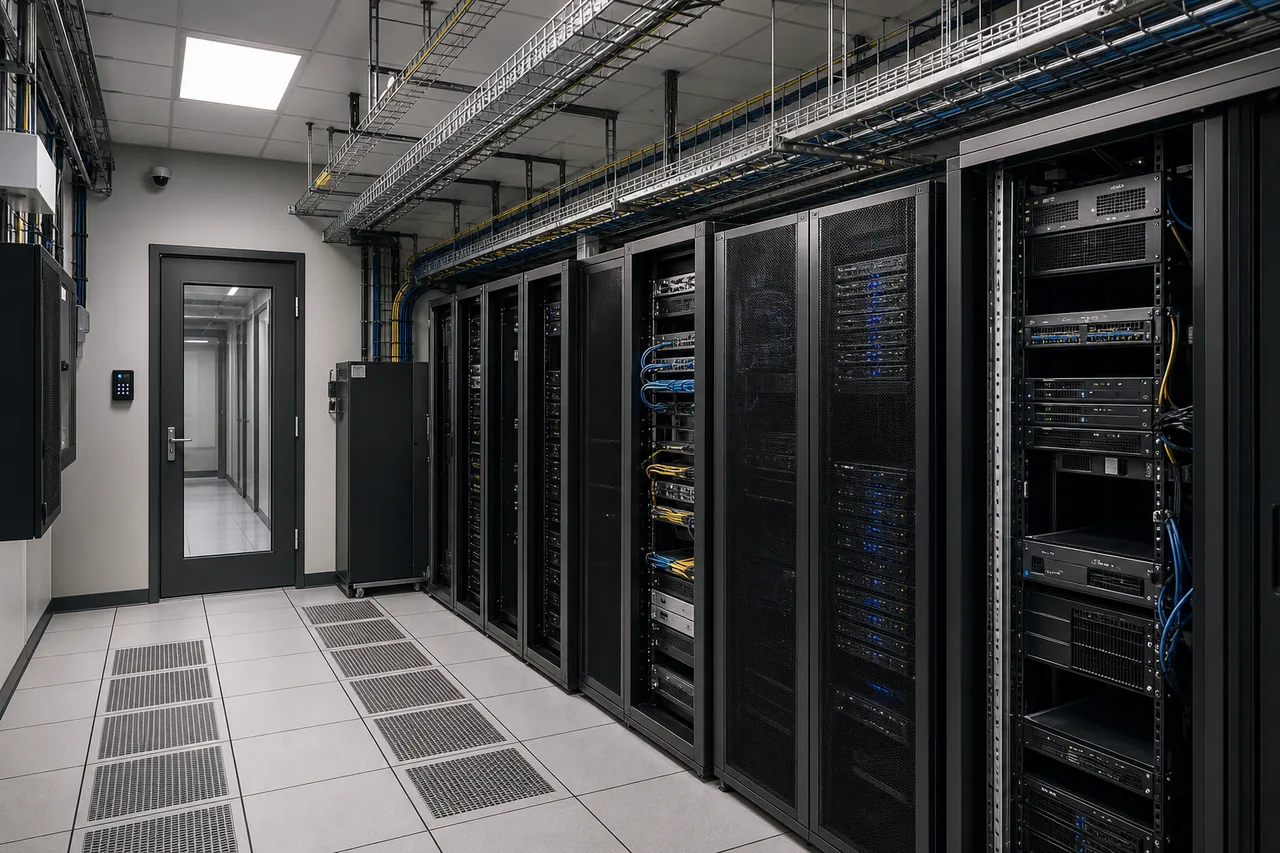
Upgrade With Purpose. Prepare for What's Next.
Whether you're replacing ageing network equipment, expanding server capacity or planning a wider infrastructure modernisation, Integrated Solutions Technology can help you assess the options and develop a practical upgrade approach.